


At times you might observe a swelling of gums around a single tooth also known as Localized gum swelling. It is often indicative of something irritating the gum in that specific area. The cause may be as simple as food trapped between teeth or as serious as a dental abscess or advanced gum disease. While mild gum swelling may resolve with proper oral hygiene and home care, persistent swelling should never be ignored as it might be indicative of something more serious. Identifying the underlying cause early can help prevent complications such as infection, gum recession, bone loss, or even tooth loss.
What Do Healthy Gums Look Like?
- Healthy gums are typically Pink in color, although they may appear light brown in individuals with darker skin tones.
- They feel firm and tightly snug around a tooth.
- Do not bleed when you brush or floss.
- Some natural variation in shade is normal gums can be slightly lighter near the teeth and a bit darker toward the sides of the mouth.
What Are Swollen Gums?
Swollen gums occur when the gum tissue around the teeth becomes enlarged, spongy and painful. The gums might become loose and unattached to the underlying tooth. Healthy gums are usually firm and fit snugly around the teeth. But when they become swollen, they may look puffy, red, or feel sensitive to touch.
Why Do Gums Swell Around a Single Tooth?
Swelling around a single tooth is usually caused by an issue affecting a specific area around a tooth or nearby gum. Common causes include trapped food, gum infection, tooth infection (abscess), or irritation from brushing/flossing, cracked teeth or problems associated with a wisdom tooth.
If the swelling lasts more than a few days, is painful, or produces pus, you need to see a dentist promptly.
Common Causes of Swollen Gums Around One Tooth
1. Food Trapped Between Teeth
At times, food particles can become trapped between teeth or between teeth and gums & irritate the surrounding gum tissue.
Common symptoms:
- Swelling
- Pain upon touching
- Discomfort while chewing
2. Plaque and Tartar Buildup
Poor oral hygiene allows plaque, which is a sticky film of bacteria to accumulate around a tooth. Over time, plaque hardens into tartar, leading to gum infection.
Common symptoms:
- Redness
- Mild swelling
- Bleeding while brushing
3. Gingivitis
Gingivitis is the earliest stage of gum disease caused by bacterial plaque buildup. It leads to infection of the gums.
Common symptoms:
- Swollen gums
- Bleeding gums
- Bad breath
4. Periodontitis
Untreated gingivitis may progress into periodontitis, a more severe gum infection that damages supporting tissues like bone and in very severe cases it might lead to loss off single or multiple teeth.
Common symptoms:
- Persistent swelling
- Gum recession
- Loose teeth
5. Dental Abscess
A bacterial infection around the tooth root can cause pus accumulation between the tooth and gums and severe swelling. It is a type of dental emergency which needs to be addressed immediately.
Common symptoms:
- Severe throbbing pain
- Swelling around the affected tooth
- Fever
- Pus discharge
6. Impacted Wisdom Tooth
Partially erupted wisdom teeth can trap bacteria and food debris beneath the gum flap.
Common symptoms:
- Swelling at the back of the mouth
- Pain while chewing
- Difficulty opening the mouth
7. Tooth Injury or Trauma
Aggressive brushing, injuries due to teeth flossing or accidental trauma can irritate gum tissue.
Common symptoms:
- Localized tenderness
- Swelling
- Mild bleeding
8. Cracked or Fractured Tooth
A crack can allow bacteria to enter deeper structures of the tooth and trigger inflammation. It can ultimately lead to a more serious infection causing swelling around a single tooth.
Common symptoms:
- Pain when biting
- Intermittent discomfort
- Swelling around one tooth
9. Poorly Fitting Dental Restorations
Crowns, fillings, or bridges that do not fit properly may trap bacteria and irritate gums. They indirectly act as home for bacteria and allow them to multiply. This in turn causes spread of the infection from these sites into adjacent gum areas.
10. Orthodontic Appliances
Braces and retainers can sometimes cause localized gum irritation if oral hygiene becomes difficult. The damage further increases if the patient does not maintain proper oral hygiene.
Serious Conditions Causing Gum Swelling Around a Single Tooth
Dental Abscess
- A dental abscess can spread to surrounding tissues if left untreated.
- It needs urgent treatment because the infection can spread to nearby tissues, the jaw, or even other parts of the body.
- Without treatment, swelling and pain often worsen.
Advanced Periodontitis
- It is a severe gum disease that can damage the bone and tissues supporting the tooth, increasing the risk of tooth loss.
- Immediate treatment is important because the damage can become permanent, leading to loose teeth, tooth loss, and ongoing infection which can spread to other parts of the body.
Impacted Wisdom Tooth Infection (Pericoronitis)
- Infection around a partially erupted wisdom tooth can cause significant pain and swelling due to bacteria becoming trapped in that region.
- It requires timely care because the swelling and infection can spread to nearby areas of the mouth, making it difficult to eat, speak, or open the mouth comfortably.
Cracked Tooth
- A deep crack in the tooth can allow bacteria seepage within the soft tissue of the tooth to infect the and surrounding gums.
- If not treated immediately it can cause severe pain, swelling, and tooth loss.
Oral Cancer
- Rarely, a persistent swelling around a single tooth should be evaluated urgently as it might be indicative of oral cancer.
- If they do not heal within two weeks there is an increased risk that the underlying cause is cancer.
- Cancer if present, diagnosing and treating should be done immediately as it greatly improves treatment outcomes and recovery.
Symptoms of Swollen Gums Around One Tooth
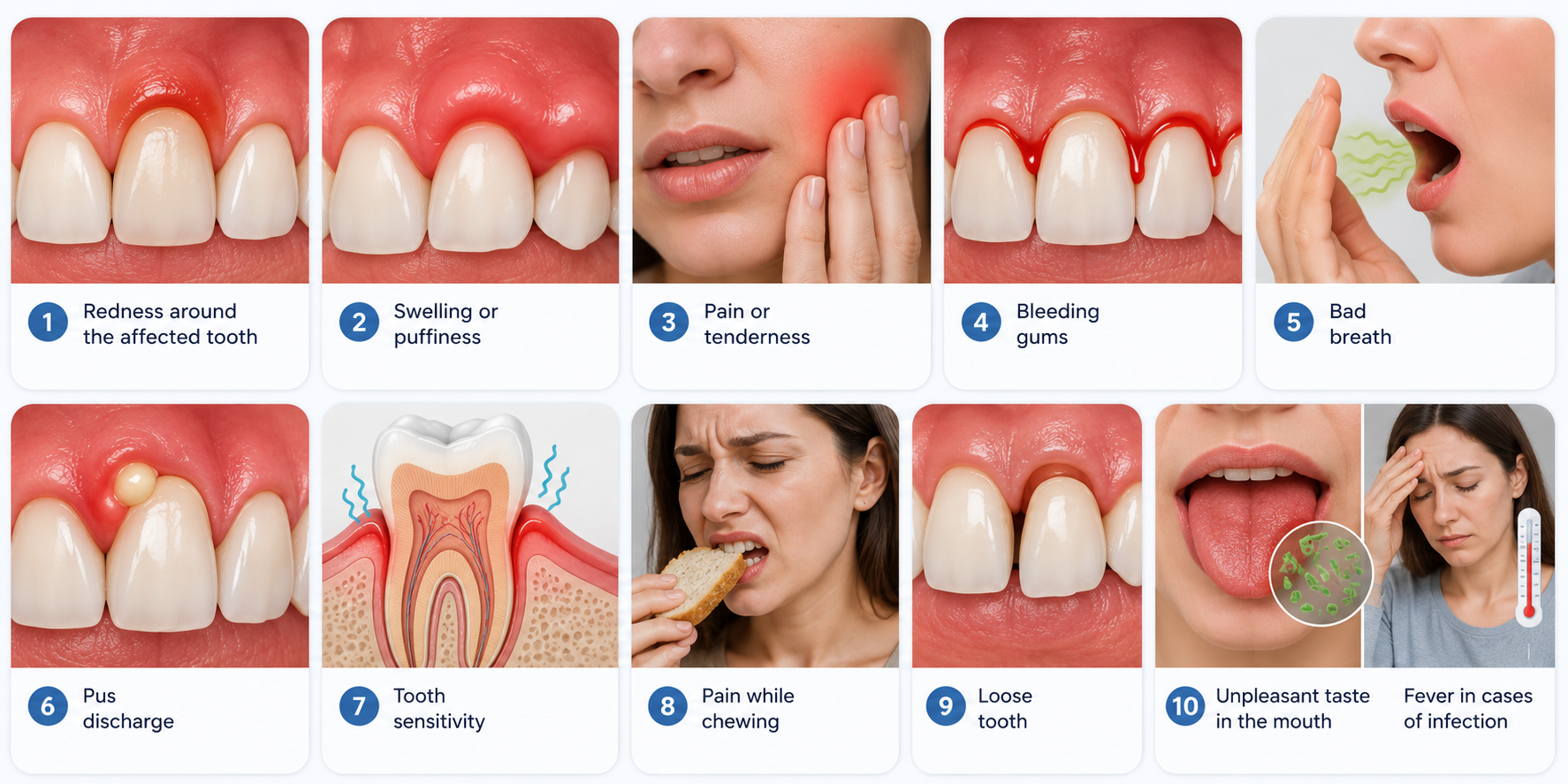
The symptoms vary depending on the underlying cause but may include:
Home Remedies for Mild Gum Swelling Around A Single Tooth
Home remedies may help relieve mild irritation but are not a substitute for professional treatment when infection is present.
- Warm Saltwater Rinse
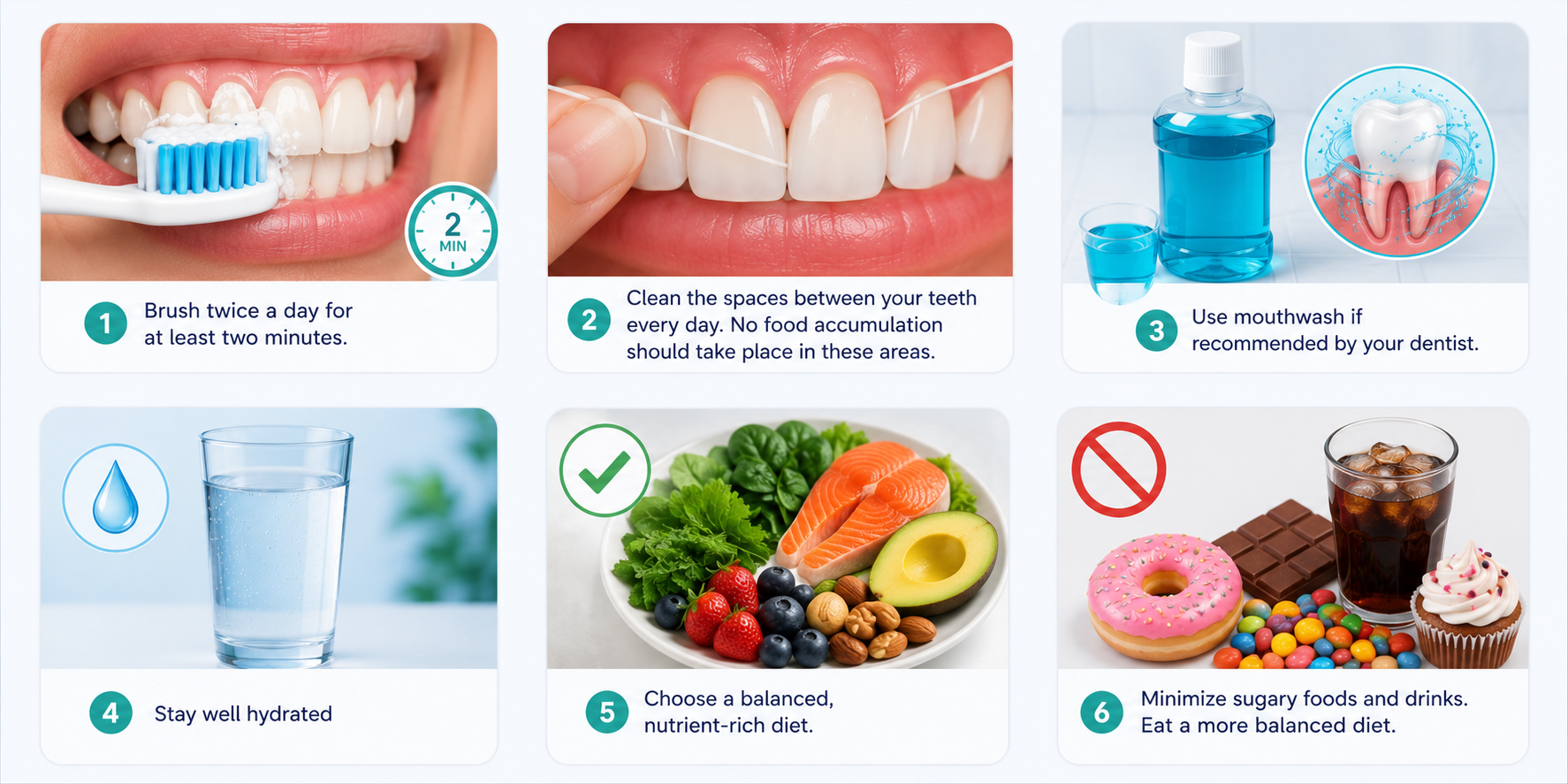
- Maintain Good Oral Hygiene by Brushing twice daily using a soft-bristled toothbrush. Floss gently around the affected tooth once a day.
- Stay Hydrated
- Avoid Irritating Foods that are spicy or hot
- Avoid Tobacco Products
How Will a Dentist Diagnose Gum Swelling Around A Single Tooth ?
To determine the cause of swelling, the dentist may perform:
- Clinical Examination for the assessment of gum color, swelling, bleeding, and pain.
- Take a set of Dental X-ray to detect infections, bone loss, cavities, and impacted teeth.
- Periodontal Health Assessment for measurement of gum pockets around the tooth and determine the loss of bone and surrounding tissue.
- Medical and Dental History Review to determine any risk factors and symptoms.
- Identification of abscesses or active infections within the mouth
In rare cases, a biopsy may be recommended if abnormal and cancerous changes are presenting Gums.
When to Visit a Dentist For Swollen Gums Around One Tooth?
Schedule a dental appointment if:
- Swelling lasts longer than a few days.
- The gum becomes increasingly painful.
- Bleeding persists.
- Chewing becomes uncomfortable.
- You notice pus around the tooth.
- The tooth feels loose.
When to Worry About Swollen Gums Around One Tooth?
Few cases need urgent treatment these include any gum swelling associated with
- Facial swelling
- Fever
- Difficulty swallowing
- Difficulty breathing
- Severe throbbing pain
- Rapidly worsening swelling
- Pus drainage
These symptoms may indicate a serious infection requiring urgent treatment.
Prevention of Swollen Gums Around One Tooth
Daily Gum Care Routine
Lifestyle Habits That Protect Your Gums
- Quit smoking or tobacco use as they not only damage your oral health but also increase the risk of more severe and life threatening diseases.
- Conditions such as diabetes can affect gum health. Maintaining a good check on blood sugar can help improve gingivitis.
- Manage stress effectively.
- Don't skip Professional Dental Care
Treatment of Swollen Gums Around One Tooth
Treatment depends on the underlying cause.
Plaque and Tartar Buildup
- Professional dental cleaning
- Improved oral hygiene
Gingivitis
- Professional dental cleaning
- Antiseptic mouth rinses
- brushing and flossing regularly
Periodontitis
- Professional dental cleaning
- Regular maintenance visits
Dental Abscess
- Drainage of pus
- Root canal treatment
- Tooth extraction if necessary
- Antibiotics when indicated
Impacted Wisdom Tooth
- Cleaning around the tooth
- Medication for infection including antibiotic and painkiller.
- Wisdom tooth removal in more severe cases.
Cracked Tooth
- Root canal treatment followed by proper capping of the affected tooth.
Trauma or Irritation
- Removal of the irritant like faulty filling or crown.
- The healing will take place on its own within a span of one to two weeks.
Key Takeaway
- Swollen gums around one tooth are often caused by localized irritation, plaque buildup, gum disease, or infection.
- While mild cases may improve with good oral hygiene and home care, persistent swelling should always be evaluated by a dentist.
- Early diagnosis and treatment can prevent complications and help preserve both your oral health and your smile.

As gum inflammation worsens, it can trigger severe tooth sensitivity and nerve pain. Here's what you can do to reduce the pain and protect your oral health.
Why is only one gum area swollen while the rest of my gums are healthy?
Localized swelling usually occurs when irritation or infection is limited to a specific tooth or area.
Can swollen gums around one tooth go away on their own?
Minor irritation from trapped food or trauma may resolve within a few days, if appropriate oral hygiene in that area is maintained.Persistent swelling requires evaluation by a dentist.
Is swollen gum around one tooth always an infection?
No. It may be caused by food lodgement, trauma, or plaque buildup.
Can a cavity cause gum swelling?
Yes. A deep cavity can lead to infection and abscess formation, causing gum swelling.
Should I take antibiotics for swollen gums?
Antibiotics should only be taken when prescribed by a healthcare professional . Not every case requires antibiotics.
When should I worry about swollen gums around one tooth?
In cases where swelling is persistent along with pain, pus, fever, facial swelling, or difficulty swallowing.
References
- National Institute of Dental and Craniofacial Research. Gum (Periodontal) Disease.
- National Health Service. Gum Disease.
- American Association of Endodontists. Endodontic Abscess.


Member discussion