


White spots on gums are actually one of the most common dental concerns people search for on the internet. The good news is that most causes are treatable and many resolve on their own. However, some white patches do deserve professional attention. Knowing the difference could genuinely make a difference to your long-term oral health.
What Do White Spots on Gums Actually Look Like?
Healthy gums are typically coral-pink in colour, firm, and fit snugly around your teeth. In a few conditions, the gum tissue can develop white discolorations that range from tiny pinpoint dots to larger flat patches or raised bumps. Some white spots are temporary and harmless, while others may signal conditions that require prompt treatment. It becomes important to identify the cause of these spots and manage them effectively.
Common Causes of White Spots on Gums
Canker Sores (Aphthous Ulcers)
Canker sores /Ulcers are among the most common causes of painful white spots on gums. They typically appear as:
- Small round ulcers
- White or yellow center
- Red border
- Pain during eating or speaking
Potential triggers for these ulcers include:
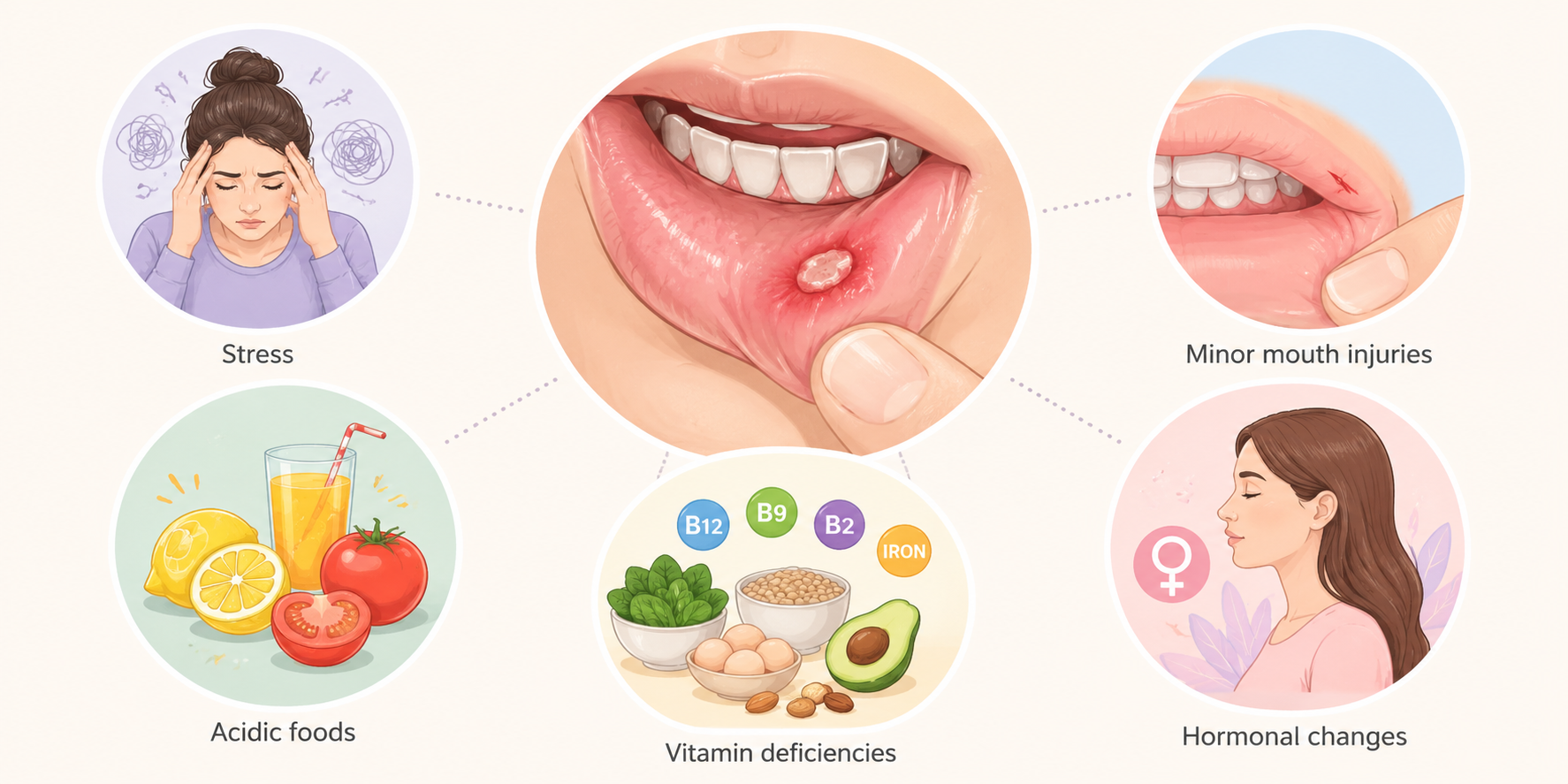
Most canker sores heal within 1 to 2 weeks without treatment.
2. Oral Thrush (Candida Infection)
Oral thrush is a fungal infection of the oral cavity. White patches on the gum in this condition can be easily scraped away and removed. Common symptoms include:
- Creamy white patches
- Soreness
- Burning sensation
- Difficulty eating
Risk factors include:
- Diabetes
- Antibiotic use
- Dry mouth
- Weakened immunity
- Denture use
Unlike canker sores, thrush often affects the tongue and cheeks in addition to the gums.
3. Leukoplakia
Leukoplakia causes thick white painless patches on gums and other oral tissues like cheek and tongue that cannot be scraped away. It is commonly associated with:
- Tobacco smoking
- Smokeless tobacco
- Longstanding irritation
- Alcohol use
Although many leukoplakia lesions are non-cancerous, some may develop cancerous changes if treatment is ignored. Your dentist will monitor the patches over time and may recommend a biopsy to check for cancerous cells. This is not something to watch and wait on at home.
4. Oral Lichen Planus
Oral lichen planus is a long standing inflammatory condition affecting the mouth. Typical signs include:
- Lace-like white streaks
- White patches
- Gum redness
- Oral discomfort and burning sensation in mouth
The exact cause remains unclear, but the immune system's defective functioning appears to play a role.
5. Gum Disease and Oral Infections
In some cases, bacterial infections can cause white or pale areas on the gums. In addition to white spots on the gums you might notice-
- Bleeding gums
- Swelling
- Bad breath
- Gum pain
6. Irritation from Dental Appliances
Braces, badly fitting dentures, retainers, and poorly fitting dental restorations may continuously rub against the gums. This friction can cause:
- White patches
- Thickened tissue
- Localized soreness and pain
Removing the source of irritation often allows healing.
7. Nutritional Deficiencies
Deficiencies in certain nutrients may contribute to white spots on gums and recurrent mouth ulcers.
Common deficiencies include:
- Vitamin B12
- Iron
- Folate
- Zinc
Individuals with recurrent white spots should consider discussing nutritional vitamin screening with their healthcare provider.
8. Rare but Serious Causes
Although uncommon, persistent white lesions may be associated with:
- Autoimmune diseases
- Precancerous lesions
- Oral cancer
Early diagnosis significantly improves outcomes.
9. Dental Abscess
A dental abscess is a bacterial infection that creates a pus-filled pocket in the gum or at the root of a tooth. It typically appears as a white or yellow raised bump on the gum. It is usually quite painful. An abscess won't resolve without professional treatment — it needs drainage and antibiotics, and the underlying cause (tooth decay or gum disease) must be addressed. Left untreated, it can spread to the jaw, neck, or beyond.
8. Stress-Triggered Mouth Sores
Stress doesn't just affect your mental health. If you notice white spots on gums tend to appear during high-pressure periods at work or after emotional upheaval, stress may be the primary trigger.
Stress management techniques, regular exercise, adequate sleep, mindfulness, and progressive muscle relaxation, can meaningfully reduce recurrence frequency.
White Spots After Dental Work Normal Healing vs. Infection
Seeing white spots on gums after a tooth extraction, root canal, or teeth whitening procedure can be alarming, but it's often completely normal. During the healing process after an extraction, your body forms a white or pale tissue layer that protects the wound. This should gradually shrink and be replaced by normal pink gum tissue over 7–10 days.
The warning signs that suggest infection rather than healing include:
- Worsening pain after the third day
- Foul taste or smell from the area
- Swelling that spreads to the cheek or jaw, fever, or white patches that expand rather than shrink.
If any of these occur, contact your dentist promptly.
White Spots on Gums in Children and Babies
White spots in young children are not uncommon. Oral fungal infection is actually more common in infants than adults. It is often acquired during birth or from antibiotic use in children. Older children can develop Canker ulcers triggered by minor mouth injuries, stress from school, or certain foods.
Most white spots in kids are straightforwardly treatable.
Symptoms That May Accompany White Spots
Depending on the underlying cause, you may also experience:
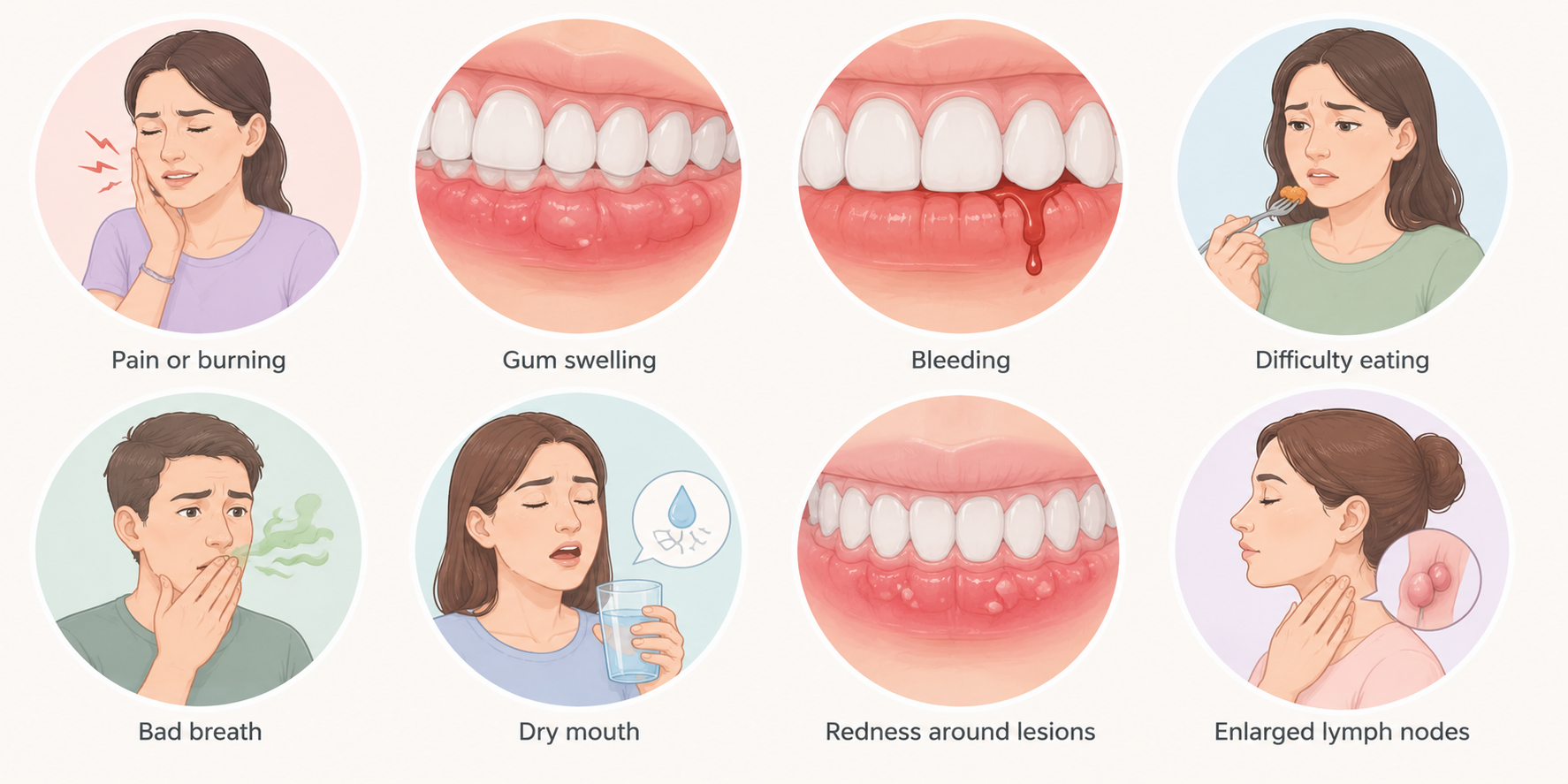
These accompanying symptoms often provide clues about the underlying condition.
How Dentists Diagnose White Spots on Gums?
Diagnosis typically involves the following steps-
Medical History Review : Your dentist may ask about:
Clinical Examination: A thorough inspection of the gums, tongue, cheeks, and oral tissues.
- Tobacco use
- Medications
- Medical conditions
- Recent illnesses
Laboratory Testing: When infection is suspected, fungal or bacterial tests may be performed.
Biopsy: Persistent or suspicious lesions may require biopsy to rule out precancerous or cancerous changes.
Treatment Options for White Spots on Gums
Treatment depends on the underlying cause. But self medication is strictly restricted. Visit your dentist in order to ensure the condition you are suffering from is identified and appropriate. Depending upon the underlying disease your dentist might suggest the following treatment strategies.
For Canker Sores
- Saltwater rinses
- Topical anesthetics
- Corticosteroid gels
For Oral Thrush
- Antifungal medications
- Improved oral hygiene
- Denture disinfection
For Leukoplakia
- Smoking cessation
- Elimination of irritants
- Monitoring or biopsy
For Gum Disease
- Professional cleaning
- Antibacterial mouth rinses
Home Care Measures
- Gentle brushing
- Daily flossing
- Adequate hydration
- Avoiding spicy foods during flare-ups
When Should You See a Dentist?
Schedule an immediate appointment with your dentist if:
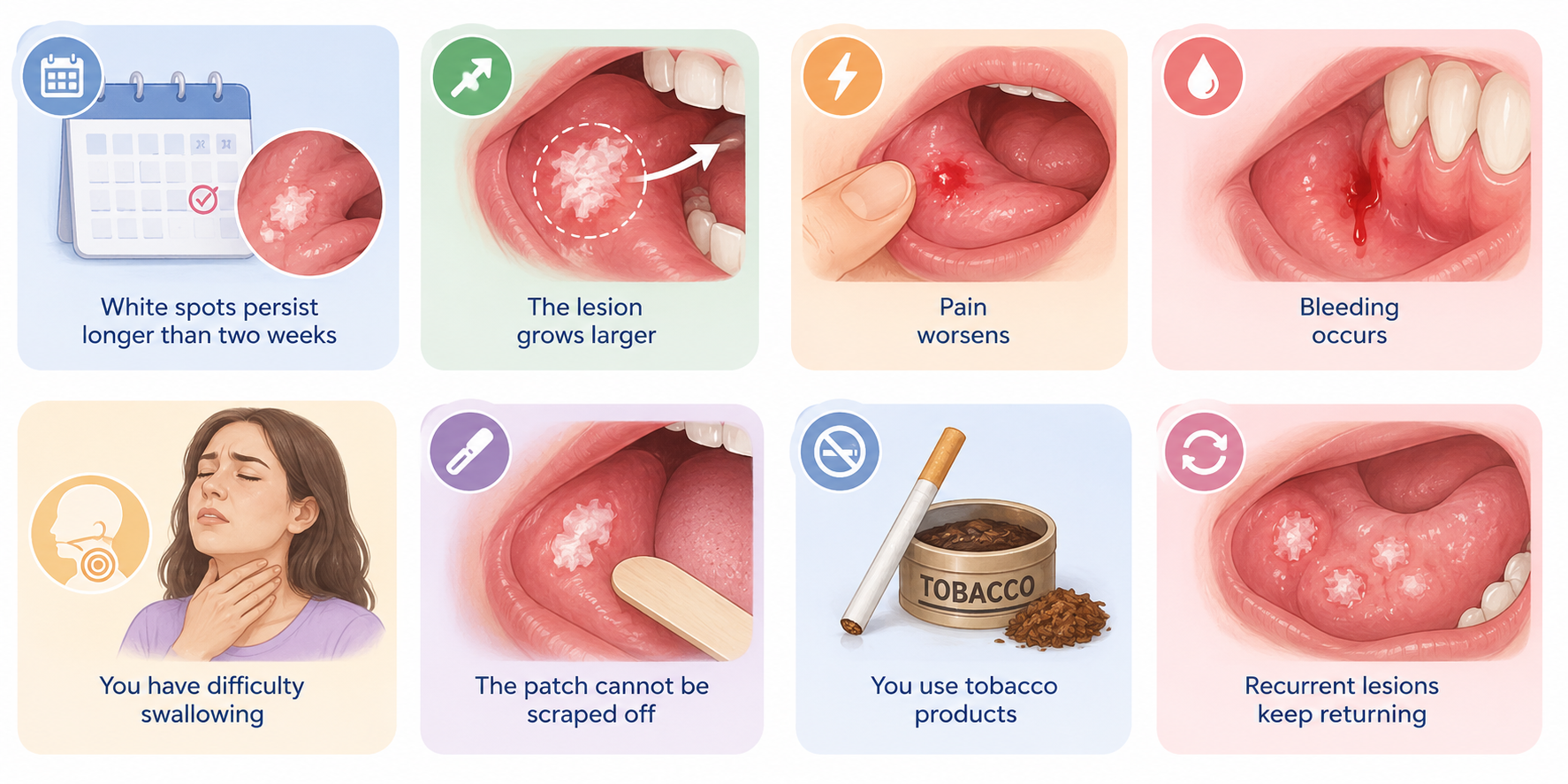
Persistent white patches deserve professional evaluation because some may represent pre - cancerous or cancerous changes
Can White Spots on Gums Be Prevented?
While not every cause is preventable, you can reduce your risk by:
- Brushing twice daily
- Flossing daily
- Maintaining routine dental visits
- Staying hydrated
- Limiting tobacco and alcohol use
- Managing stress
- Following a nutrient-rich diet
- Cleaning dentures properly
Consistent oral hygiene remains one of the most effective ways to maintain healthy gums.
Home Remedies to Soothe White Spots on Gums
If you're dealing with minor white spots like canker sores or irritation-related patches several evidence-informed home remedies can help ease discomfort and speed healing:
● Saltwater rinse
● Aloe vera gel
● Stay away from spicy foods, citrus, hard/crunchy foods, and alcohol-based mouthwashes until the spots have healed.
Key Takeaways
- White spots on gums are more common than you might think, and most of the time they're your body signaling a minor, treatable issue.
- With proper oral hygiene, a nutrient-rich diet, and stress management, many of these spots will resolve quickly and recur less often.
- But some white spots on gums, particularly ones that won't go away, grow over time, or appear in the context of tobacco or heavy alcohol use. In those cases, early professional evaluation isn't just smart, it's essential.
- A simple visual examination by a dentist takes minutes and can give you peace of mind.
- Your gums are more than just the frame around your teeth they're a window into your overall health.

White patches in your mouth aren't limited to the gums. Discover the common causes of a white tongue and when to seek care.
Frequently Asked Questions
Are white spots on gums always serious?
No. Many result from canker sores or irritation and resolve naturally. However, persistent lesions require evaluation.
Can stress cause white spots on gums?
Yes. Stress is a common trigger for canker sores or Aphthous ulcers.
Can white spots on gums be oral cancer?
Most are not cancerous, but persistent non-healing white patches should be assessed by a dentist.
How long do white spots on gums last?
Canker sores usually heal within 1–2 weeks, while other conditions may persist until treated.
Can poor oral hygiene cause white spots?
Yes. Plaque (sticky bacterial film) accumulation and gum infections can contribute to white lesions and gum inflammation.
References & Sources
- Healthline. White Spots on Gums: Causes, Treatment, and Prevention.
- Medical News Today. White Spots and Sores on Gums.
- Colgate Oral Care Center. White Spots on Gums.
- Oral-B Oral Health Center. White Spots on Gums: Causes, Symptoms, and Treatments.
- Cleveland Clinic. Oral Lichen Planus.
- Mayo Clinic. Leukoplakia: Symptoms and Causes.


Member discussion