


Gum recession is one of the most common dental problems, yet it often goes unnoticed in its early stages. You may only realize something is wrong when your teeth start to look longer than usual or you feel sensitivity while brushing, eating, or drinking. It occurs when the gum tissue around the teeth gradually pulls back or wears away, exposing the tooth roots beneath. Although gum recession may seem like a minor issue at first, leaving it untreated can lead to increased tooth sensitivity, a higher risk of cavities, and even tooth loss over time. The challenge is that it usually develops slowly and painlessly, making it easy to miss until visible changes appear.
With proper oral hygiene, regular dental checkups, and early intervention, it can be managed effectively. In many cases, treatment can help restore gum health, protect exposed roots, and prevent further damage.
What Is Gum Recession?
Gum recession occurs when the gum tissue that surrounds and protects your teeth pulls away or wears down, exposing the lower portion of the tooth. It is classified as a form of advanced gum disease. It occurs when early gum is not treated. It causes the loss of supporting structures of the teeth like bone and gums. It might involve one tooth or many teeth simultaneously.
The condition develops slowly and silently. It is so silent at times that you may find it out in late stages when you feel sensitivity in teeth or notice cavities in the root region of the teeth. It is more common in older adults, particularly over 65 years of age.
What Causes Gum Recession?
Gum recession is rarely caused by a single reason. It is mostly associated with several causes which are related to each other. Most cases involve a combination of the following reasons:
1. Advanced Gum Disease
Untreated Gum disease is one of the most common causes of gum recession. It starts when bacteria build up around the teeth and gumline. If not removed through proper brushing and flossing, these bacteria can cause infection. With time this infection damages the tissues that support your teeth. As this support is lost, the gums begin to pull away from the teeth, making the teeth appear longer than normal.
2. Brushing Too Hard
Brushing your teeth is essential for good oral health, but brushing too hard can do more harm than good. Using a hard-bristled toothbrush or brushing with excessive force can gradually cause the loss of gum tissue. Dentists recommend using a soft-bristled toothbrush and brushing with gentle circular motions rather than vigorous back-and-forth scrubbing.
3. Genetics
Some people naturally have thinner gums, which makes them more likely to experience recession even if they maintain excellent oral hygiene.
4. Teeth Grinding and Clenching (Bruxism)
Many people grind or clench their teeth without realizing it, especially while sleeping. If your dentist notices signs of grinding, they may recommend a custom night guard to protect your teeth and gums.
5. Tobacco Use
Smoking and other forms of tobacco use can seriously affect gum health. People who use tobacco are at a much higher risk of developing gum recession and gum disease.
6. Hormonal Changes
Hormonal changes during puberty, pregnancy, and menopause can make the gums more sensitive and prone to recession.
7. Orthodontic Treatment (Braces and Aligners)
Orthodontic treatment helps to align teeth in the correct position within the jaws. Braces can also make cleaning more difficult which increases the chance of infection. Regular dental checkups and good oral care can help minimize these risks.
8. Injury, Trauma, or Oral Piercings
Injury from accidents and oral piercings on lips and tongue can cause gum recession.
Symptoms of Gum Recession
As the gum recession progresses slowly and silently, many people tend to overlook it. If you notice and identify the symptoms early you might prevent yourself from losing your teeth. Being alert and performing self dental examinations at regular intervals can help you identify Gum changes at an early stage.
What does the Gum recession look like? What to Watch For?
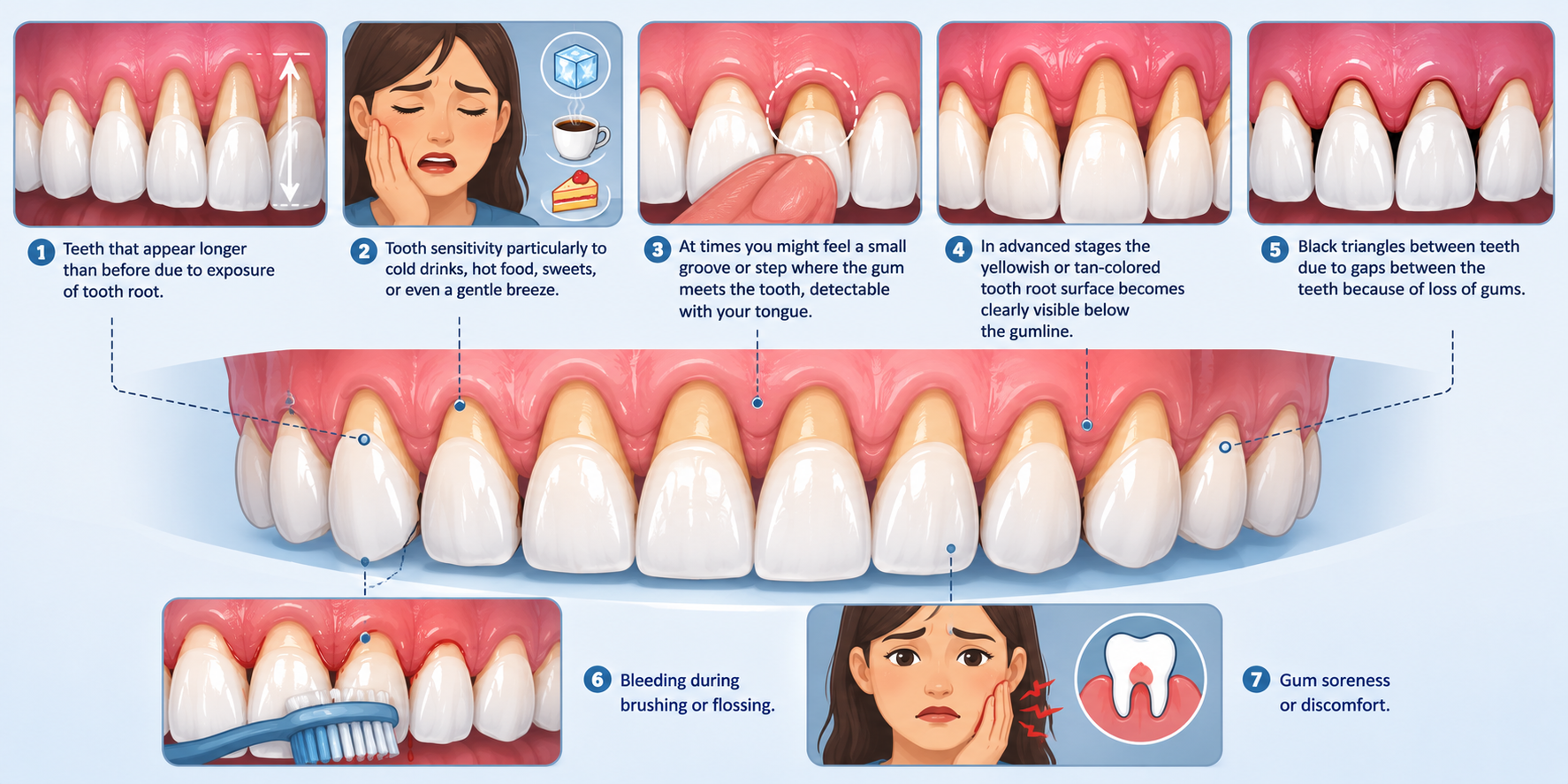
These symptoms develop gradually. If you notice any of them, schedule a dental visit promptly earlier intervention means more treatment options and better outcomes.
How Is Gum Recession Identified by Your Dentist?
Dentists diagnose gum loss through a number of techniques. They are as follows-
- Examination of gum health visually
- Probing which is a painless procedure using a calibrated instrument to measure loss of gum tissue.
- Dental X-rays are used to assess the bone levels and will establish at what stage the disease is and how many teeth are affected.
Can Gum Recession Be Reversed?
This is the commonest question that hovers the mind of every patient. Can Gums grow back? Can this condition be reversed? Can you reduce the size of my teeth back to normal naturally? Well sadly the answer is NO. Gum tissue that has receded cannot grow back on its own. The condition is permanent without surgical intervention.
However, this does not mean nothing can be done. Think of it this way:
- If your goal is to stop the gum recession from worsening, that is achievable without surgery. Without surgery gum recession cannot be reversed, but its progression can be halted with proper treatment of the underlying cause and improved oral hygiene.
- If your goal is to restore the gum you have already lost, surgery is generally required. Gum grafting and related procedures can restore lost tissue, covering exposed roots, reducing sensitivity, and improving both function and aesthetics.
Treatment of Gum Recession: From Conservative to Surgical approaches
You need to visit your Dentist who is going to explain to you what is the best treatment for you. This will also be determined by what type of changes you want in your gums, cost. and overall status of gum health.
Non-Surgical Treatments
Scaling and Root Planing (Deep Cleaning)
The procedure removes tartar from below the gumline and smooths root surfaces. As the infection is controlled the gums become healthier, tighter, and more stable.
Antibiotics and Antimicrobial Therapy
Topical antibiotics (applied directly into the area of gum loss) or oral antibiotics may be prescribed alongside deep cleaning. Antimicrobial mouth rinses containing chlorhexidine are commonly recommended as support therapy.
Habit Modification
Switching to a soft-bristled toothbrush, correcting brushing technique, quitting tobacco, and addressing bruxism with a nightguard are foundational steps that remove the ongoing causes of recession.
Orthodontic Treatment
Correcting tooth misalignment with braces or clear aligners can stop the advancement of gum recession.
Surgical Treatments
Gum graft surgery is the most predictable and long-lasting treatment option for gum recession. During this surgery, a gum graft is used to replace your missing gum tissue. The graft usually is taken from the roof of your mouth .
Once the gum graft is in the proper position, your surgeon stitches it into place. There are several different types of gum grafting procedures. Your surgeon can help determine which one is right for your situation.
The Oral and Body Health Connection
Gum recession is a marker of advanced gum disease and is not merely an oral health issue. Recent studies have identified that it is a risk factor for heart health, conditions like dementia, Alzheimer's disease and diabetese.
How to Prevent Gum Recession?
While genetics and certain systemic conditions create unavoidable risk, most cases of gum recession can be prevented or significantly delayed with consistent preventive actions. The first and foremost important thing is to identify gum recession early. The earlier you identify, the better are the chances of recovery. Do not wait for it to heal itself. It's not going to happen. Few preventive measure you can take include -
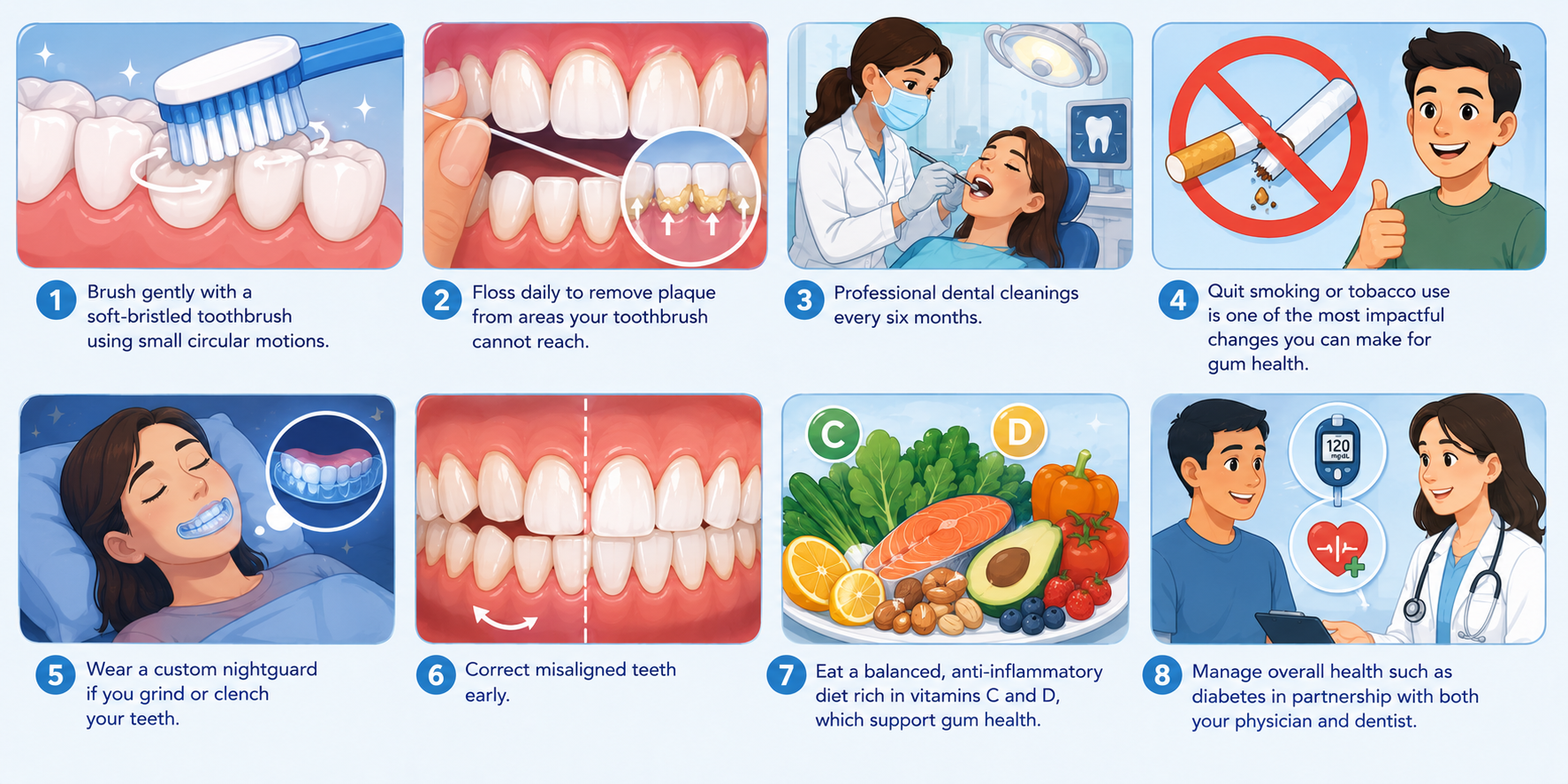
When to See a Dentist for Gum Recession?
Do not wait for symptoms to worsen. See your dentist if you notice:
- Your teeth appear longer than they used to
- Increased sensitivity to hot, cold beverages or sweets
- Visible root surface below the gumline
- Bleeding when brushing or flossing
- Gum soreness or pain that persists
The earlier gum recession is identified, the more treatment options you have, and the more tissue you can preserve. Recession caught in its early stages may only require non-surgical management; advanced cases require more extensive grafting procedures with longer recovery times and higher costs.
Key Takeaways
- Gum recession is a slow and silent condition which is easy to ignore as a cosmetic inconvenience until the damage becomes too much and you might lose your teeth.
- If gum tissue is lost, it does not grow back without intervention
- The good news is that the gum recession is highly manageable.
- Caught early, it can be stopped in its tracks with non-surgical treatment and improved daily habits.
- When gum tissue has already been lost surgical management is require
- If your teeth look longer than they used to, if you experience new sensitivity to hot or cold, or if it has been more than six months since your last dental visit now is the time to act swiftly.
- Gum recession rewards early attention and punishes delay. The sooner you and your dental professional address it, the better your options, your outcomes, and your overall health will be.
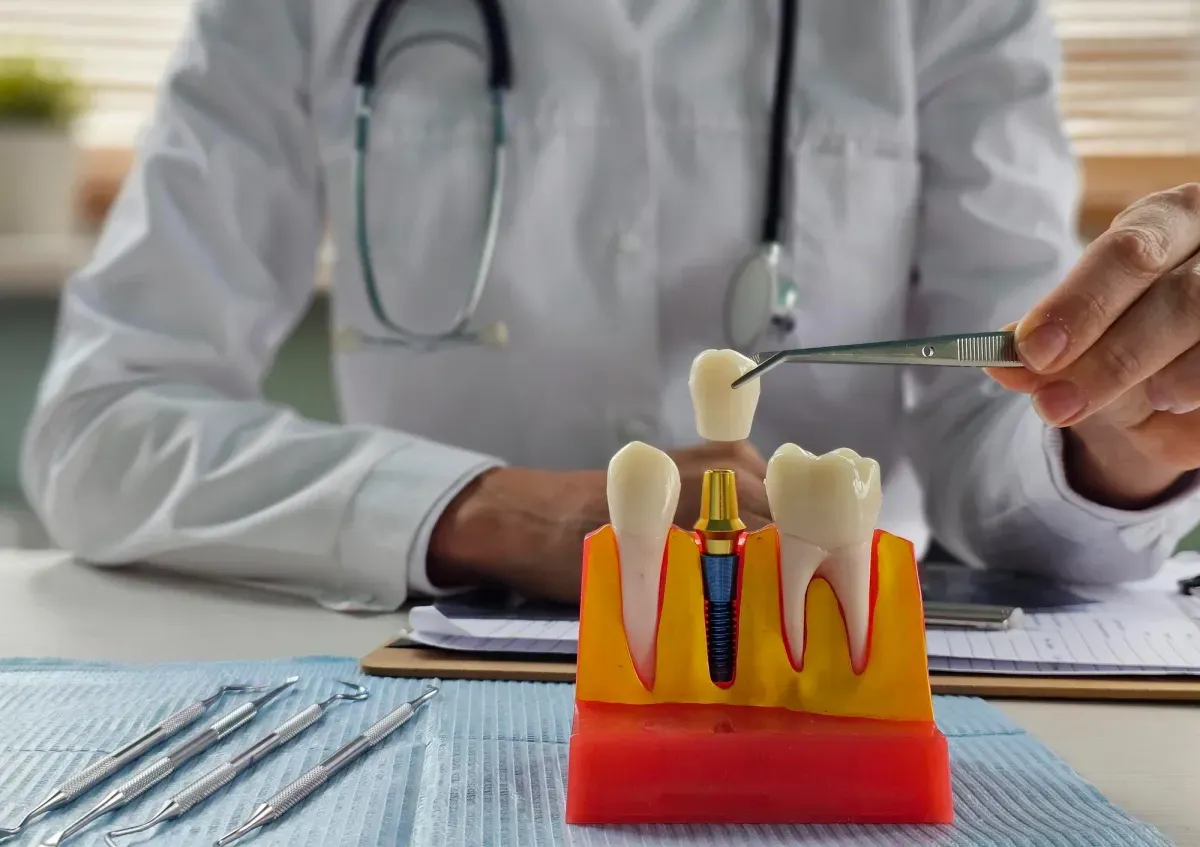
Gum recession can sometimes lead to bone loss around the teeth. Learn when a bone graft may help restore support and improve long-term oral health.
FAQ
Can receding gums grow back naturally with oil pulling, green tea, or other home remedies?
No. While some natural remedies like eucalyptus oil and green tea have limited evidence suggesting they may reduce inflammation and support gum health, none can regenerate lost gum tissue.Home remedies can be useful as adjuncts to professional care to slow progression, but they cannot reverse existing recession and should never replace a dental evaluation. Once the gum has receded, it requires professional treatment and in most cases, surgery to restore coverage.
At what age does gum recession typically start, and is it inevitable as you get older?
Gum recession can begin at any age, but it becomes significantly more common after 40. However, many older adults maintain healthy, stable gum lines throughout their lives with consistent oral hygiene and regular professional care. Conversely, younger adults with aggressive brushing habits, or untreated gum disease can develop significant recession in their 20s and 30s.
How long does recovery take after a gum graft?
Recovery from a connective tissue graft typically takes 1–2 weeks for initial healing, with full tissue maturation taking up to 3–6 months.
Can brushing too hard cause gum recession?
Yes. Brushing with excessive force or using a hard-bristled toothbrush can gradually wear away gum tissue and contribute to recession.
Does gum recession hurt?
Early gum recession may be painless. As more root surface becomes exposed, people may experience tooth sensitivity to hot, cold, sweet, or acidic foods and drinks. Some may also notice discomfort around the gumline.
What causes gums to recede?
Several factors can contribute to gum recession, including:
- Periodontal (gum) disease
- Aggressive tooth brushing
- Poor oral hygiene
- Tobacco use
- Teeth grinding or clenching
- Misaligned teeth or bite issues
- Thin gum tissue due to genetics
- Oral piercings that repeatedly irritate the gums


Member discussion