


A healthy mouth is not only restricted to cavity-free teeth. Your gums play an equally important role in maintaining a healthy smile. These act as a protective barrier around your teeth, covering the roots and supporting the underlying bone, nerves, and blood vessels. Because gums are delicate and highly sensitive, they require consistent care and attention.
Itchy gums may seem like a minor inconvenience, however they can sometimes be the body's way of telling that something is affecting your oral health. In many cases, the cause is simple, such as plaque buildup, mild gum inflammation, or an allergic reaction. In other situations, itchy gums may signal a developing dental problem that requires professional attention. The good news is that most causes of itchy gums are treatable once identified.
What are Itchy Gums?
Itchy gums can be explained as an uncomfortable sensation which is characterized by tingling, tickling, or irritation in the gum tissues surrounding the teeth. The person usually feels an urge to rub the gums with the tongue, fingers, or other objects for temporary relief.
- This sensation usually occurs when the gums become irritated, inflamed, dry, or exposed to allergens (substances which might cause allergy in a person).
- Itchy gums can affect a small area restricted around a single tooth or spread throughout the mouth.
- Identifying and treating the underlying cause can help restore healthy, comfortable gums and prevent more serious oral health problems.
What do Itchy Gums feel like?
Itchy gums are often difficult to describe as patients may explain the sensation in a variety of ways, ranging from an irritating, tingling, or prickling sensation to a weird crawling sensation running along the gums. At times patients described it as feeling similar to an itch on the skin, but harder to scratch satisfyingly.
It may be accompanied by:
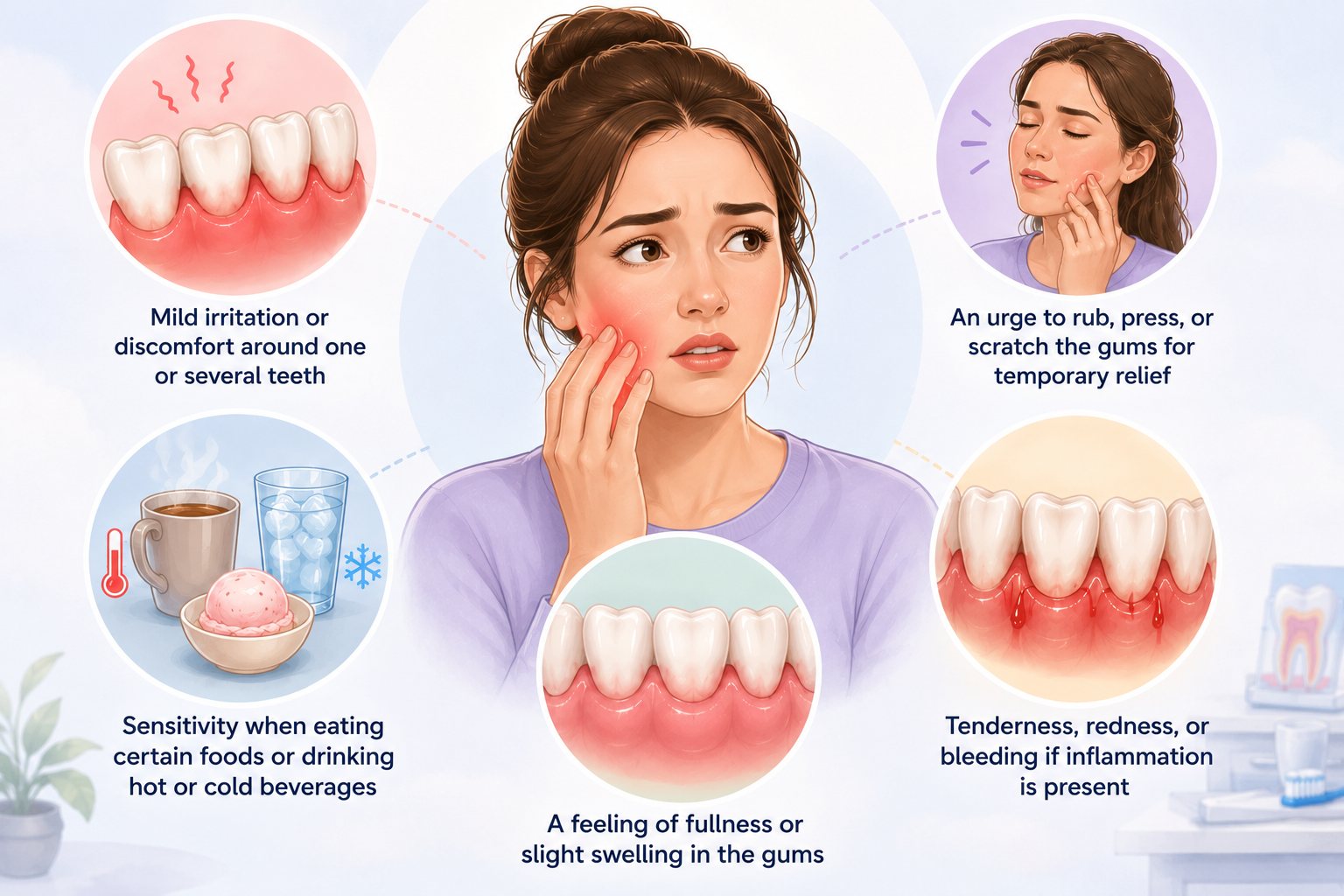
The sensation may affect few areas of the mouth or spread throughout the mouth. Understanding what caused the itching is the key to finding the right treatment.
Common Causes of Itchy Gums
1. Early Gum Disease (Gingivitis)
This is one of the most common causes of itchy gums. Gingivitis develops when plaque (a sticky film of bacteria) builds up along the gumline. The bacteria irritate the gums and trigger inflammation. Several people develop a sensation of itchiness before pain development.
Accompanying Symptoms
- Red gums
- Puffy gums
- Bleeding when brushing
- Tenderness
- Bad breath
2. Plaque and Tartar Buildup
Plaque buildup can irritate gums and make them itch. Over time, plaque hardens into tartar, which cannot be removed by brushing alone.
This can lead to prolonged feeling of itchiness in the gums.
Accompanying Symptoms
- Rough feeling on teeth
- Bad breath
- Mild gum irritation
- Itching around the gumline
3. Allergic Reactions
Gums can react to allergic substances in a manner similar to skin. At times the allergy may occur in response to -
- New toothpaste and Mouthwash
- Dental products, Certain foods (like peanuts) and Medications
Symptoms
- Itchy gums
- Tingling lips
- Scratchy throat
- Mild swelling
4. Oral Allergy Syndrome
This condition occurs when certain foods trigger an allergic response because their proteins resemble pollen allergens. Common triggers include apples, peaches, nuts etc.
Symptoms
- Itchy gums
- Itchy mouth
- Tingling lips
- Mild throat irritation
Symptoms often occur immediately after eating the trigger food.
5. Dry Mouth
Saliva protects gums by washing away bacteria and keeping tissues moist. In a few conditions there may be a decrease or total loss of saliva production (Xerostomia). Loss of saliva can lead to dry, irritated, sensitive and itchy gums.
6. Hormonal Changes
Hormone changes during pregnancy, menstruation, menopause and puberty can affect blood flow and cause inflammation in the gums. The gums may become more sensitive, swollen, or itchy.
Symptoms
- Tender gums
- Increased bleeding
- Swelling
- Temporary itchiness
7. Healing After Dental Work
Sometimes itchy gums are actually a sign of healing. As gums heal themselves after a dental procedure, mild itching may occur.
Itching can be seen after:
- Professional cleaning
- Scaling and root planing
- Fillings
- Orthodontic adjustments
8. Injury to the Gums
Small injuries can cause temporary itching during the healing process. They are self healing. These injuries can occur from:
- Aggressive brushing
- Sharp foods
- Accidental bites
- Dental floss injuries
9. Teeth Grinding (Bruxism)
Many people grind their teeth during sleep without realizing it. This is known as teeth bruxism. This can place stress on the gums and surrounding tissues.
Accompanying Symptoms
- Jaw soreness
- Morning headaches
- Tooth sensitivity
- Worn out teeth with flat surfaces
10. Ill - Fitting Dental Appliances
Braces, retainers, dentures, and aligners can irritate gum tissue if they are loose, too tight or have sharp edges.
Symptoms include:
- Localized gum itching
- Soreness
- Redness
- Pressure spots
Serious Causes of Itchy Gums
Several times itchy gums are usually caused by minor conditions. However, persistent itchiness can sometimes be a warning sign of a more serious underlying disease. If left untreated, these conditions may affect oral health as well as overall health.
1. Advanced Gum Disease (Periodontitis)
Periodontitis is a severe form of gum disease that develops when early gum inflammation (gingivitis) is left untreated. The infection gradually destroys the tissues and bone supporting the teeth.
Periodontitis if not treated can lead to tooth loss
Symptoms
- Persistent itchy or irritated gums
- Bleeding gums
- Gum recession
- Bad breath
- Loose or shifting teeth
- Pus discharge between the teeth and gums
2. Gum Abscess
A gum abscess is a localized collection of pus between gum and tooth caused by a bacterial infection. Some patients experience itching or tingling before pain and swelling become prominent if not treated timely it can cause spread of infection to surrounding tissue
Symptoms
- Severe throbbing toothache
- Swollen gums
- Pus drainage
- Facial swelling
- Fever
- Bad taste in the mouth
3. Uncontrolled Diabetes
Poorly controlled blood sugar levels reduce the body's ability to fight infections and impair healing, making the gums more susceptible to inflammation.
Symptoms
- Persistent gum itching
- Dry mouth
- Frequent gum infections
- Bleeding gums
- Increased thirst and urination
4. Vitamin Deficiencies
Deficiencies of certain vitamins, particularly vitamin C, vitamin B12, and folate, can affect gum health. If not treated they can impair immunity and delay healing
Symptoms
- Itchy or sore gums
- Easy bleeding
- Mouth ulcers
- Fatigue
- Pale skin
5. Oral Thrush
Oral thrush is a fungal infection caused by an overgrowth of Candida albicans. It is often associated with immune deficiency, diabetes, or prolonged use of antibiotics or inhaled steroids and therefore underlying cause should be identified and treated.
Symptoms
- White creamy patches inside the mouth
- Burning sensation
- Itching
- Altered taste
- Cracking at the corners of the mouth
6. Autoimmune Diseases
Certain autoimmune disorders can affect the gums and oral tissues like Lichen Planus, which require long-term management by dental and medical specialists
Symptoms
- Persistent itching
- Painful sores
- White lace-like patches
- Gum peeling
- Bleeding
7. Oral Cancer (Rare)
Persistent gum irritation or itching that does not improve should be evaluated, especially if accompanied by suspicious lesions.
Symptoms
- Non-healing ulcers
- Red or white patches
- Numbness
- Difficulty chewing or swallowing
- Unexplained bleeding
- Swollen lymph nodes
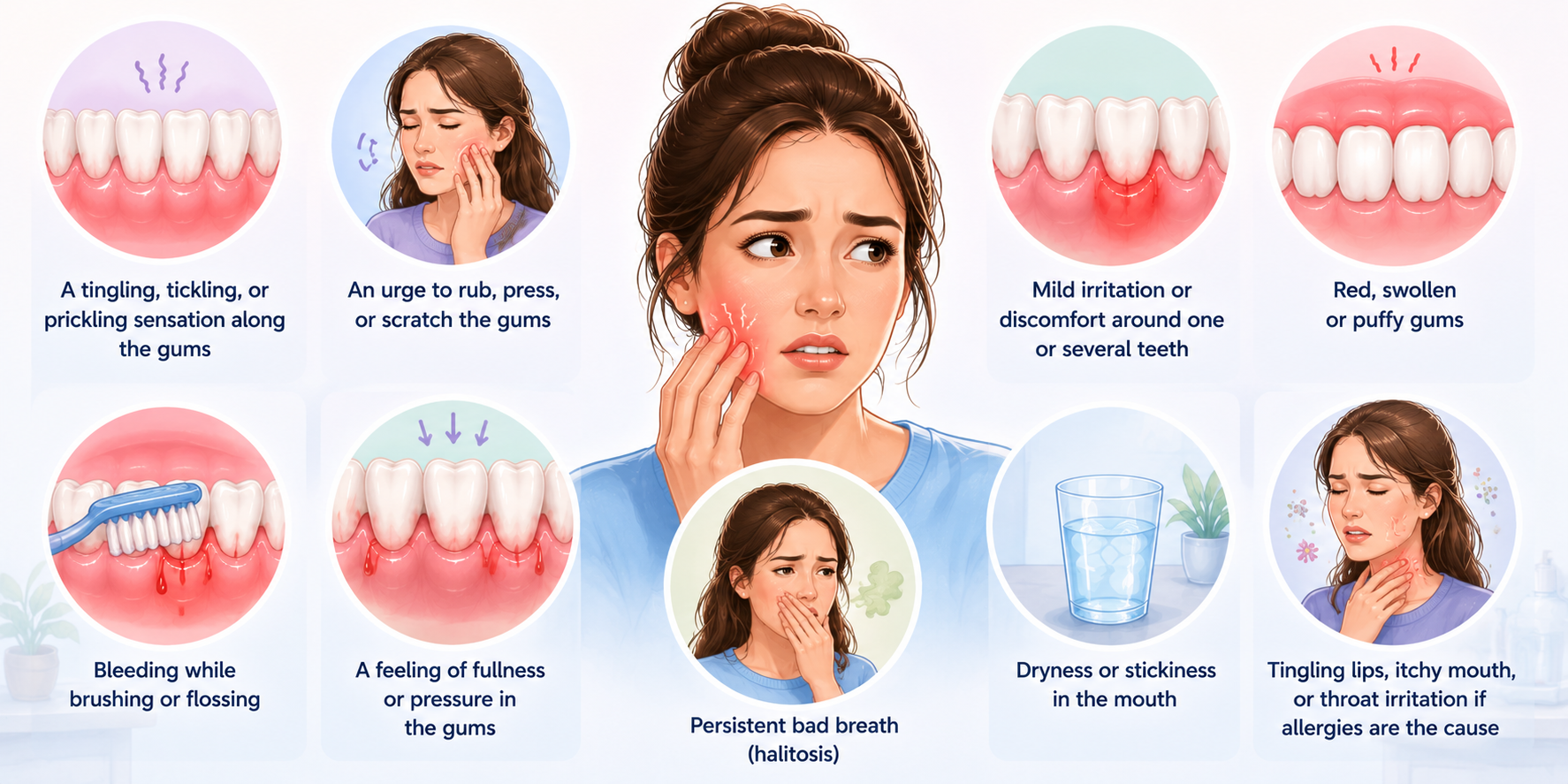
Symptoms of Itchy Gums
Itchy gums themselves are a symptom rather than a disease. The sensation can vary from person to person and may be accompanied by other signs depending on the underlying cause.
Home Remedies for Itchy Gums
While treatment depends on the cause, several strategies may provide temporary relief.
Home remedies may help relieve mild irritation but are not a substitute for professional treatment when infection is present.
- Warm Saltwater Rinse
- Avoid irritants like tobacco, excess alcohol, spicy foods and harsh mouthwashes as these can worsen gum irritation.
- Maintain Good Oral Hygiene by Brushing twice daily using a soft-bristled toothbrush. Floss gently around the affected tooth once a day.
- Stay Hydrated
When Should You See a Dentist for Itchy Gums?
It is advisable to schedule a dental appointment for itchy gums in cases where-
- Problem is lasting longer than one week
- Gums bleed frequently
- Gums are swollen
- Painful gums
- Ichiness is associated with loose teeth
- Persistent bad breath
- Itichiness recurs repeatedly
When to Worry about Itchy Gums?
Seek urgent dental or medical care if you develop:
- Severe swelling
- Difficulty swallowing
- Difficulty breathing
- Rapidly worsening symptoms
- Facial swelling
- Fever
These symptoms may indicate a more serious infection or allergic reaction.
How Dentists Diagnose Itchy Gums?
Your dentist may:
- Examine your gums
- Check for plaque and tartar
- Measure gum pockets
- Review medications
- Discuss allergies
- Evaluate dental appliances
- Take dental X-rays if needed
The diagnosis usually becomes clear after a thorough examination.
Treatment of Itchy Gums
Treatment depends on the underlying cause of itchy gums.
Gingivitis
- Professional cleaning
- Improved oral hygiene and home dental care
Allergies
- Avoiding triggers causing allergy
- Anti allergic-medications
Dry Mouth
- Hydration
- Saliva substitutes
- Medication review
Bruxism
- Night guard
- Stress management
Oral Infections
- Appropriate antifungal or antimicrobial treatment
How to Prevent Itchy Gums?
Daily Gum Care Routine
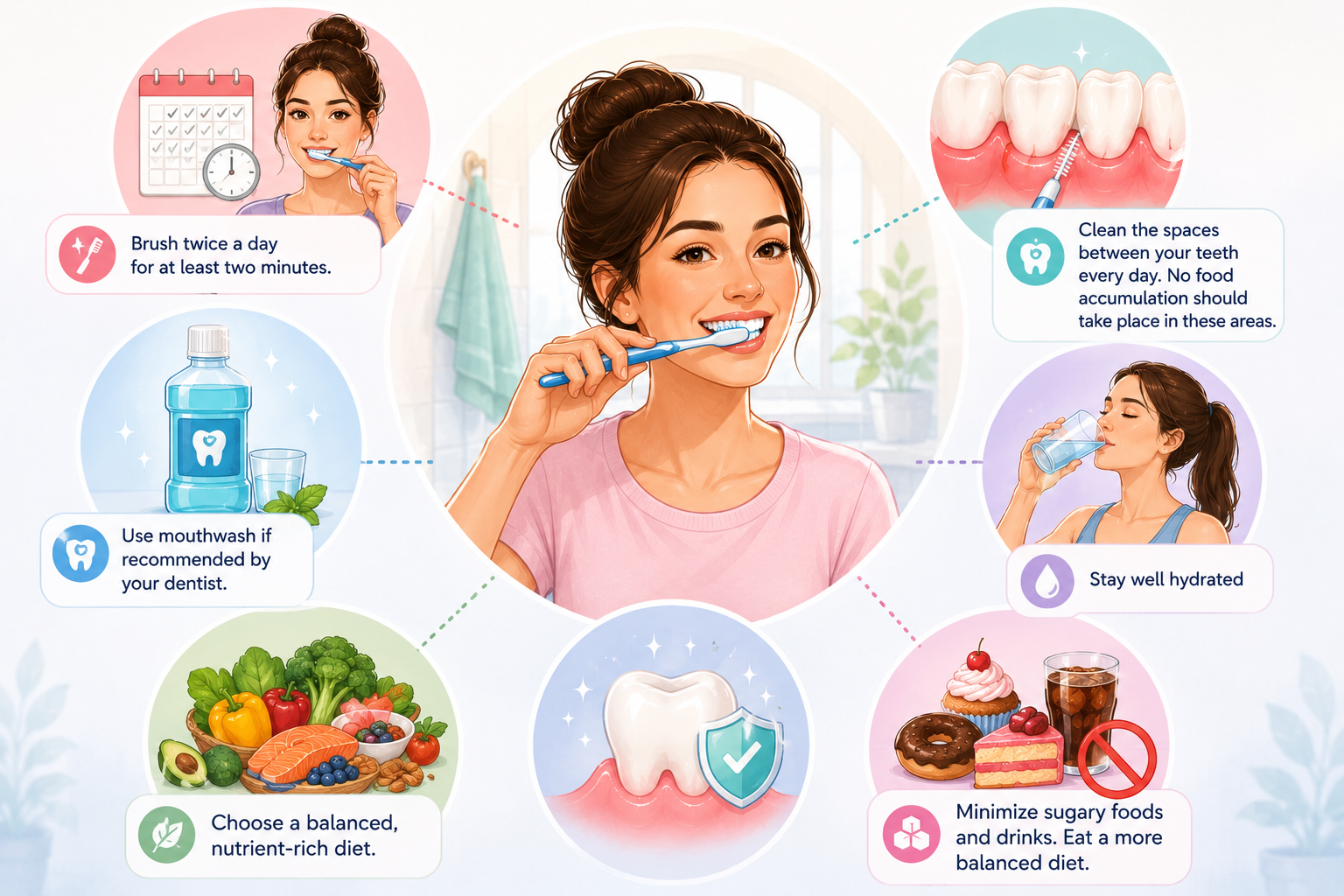
Lifestyle Habits That Protect Your Gums
- Quit smoking or tobacco use as they not only damage your oral health but also increase the risk of more severe and life threatening diseases.
- Conditions such as diabetes can affect gum health. Maintaining a good check on blood sugar can help improve gingivitis.
- Manage stress effectively.
- Don't skip Professional Dental Care
Key Takeaway
- Itchy gums can cause a tingling, piecing or crawling sensation in the mouth.
- While the cause may be something simple like plaque buildup, dry mouth, or an allergic reaction, itchy gums can also be an early warning sign of gingivitis or another oral health issue.
- Itchy gums may be accompanied by bleeding, swelling, bad breath, or pain.
- Maintaining excellent oral hygiene, staying hydrated, and identifying potential triggers can often provide relief.
- If symptoms persist or worsen, a dental evaluation is the best way to identify the underlying cause and protect your long-term oral health.
- Itchy gums are treatable and upon encountering the problem visit your dentist promptly.
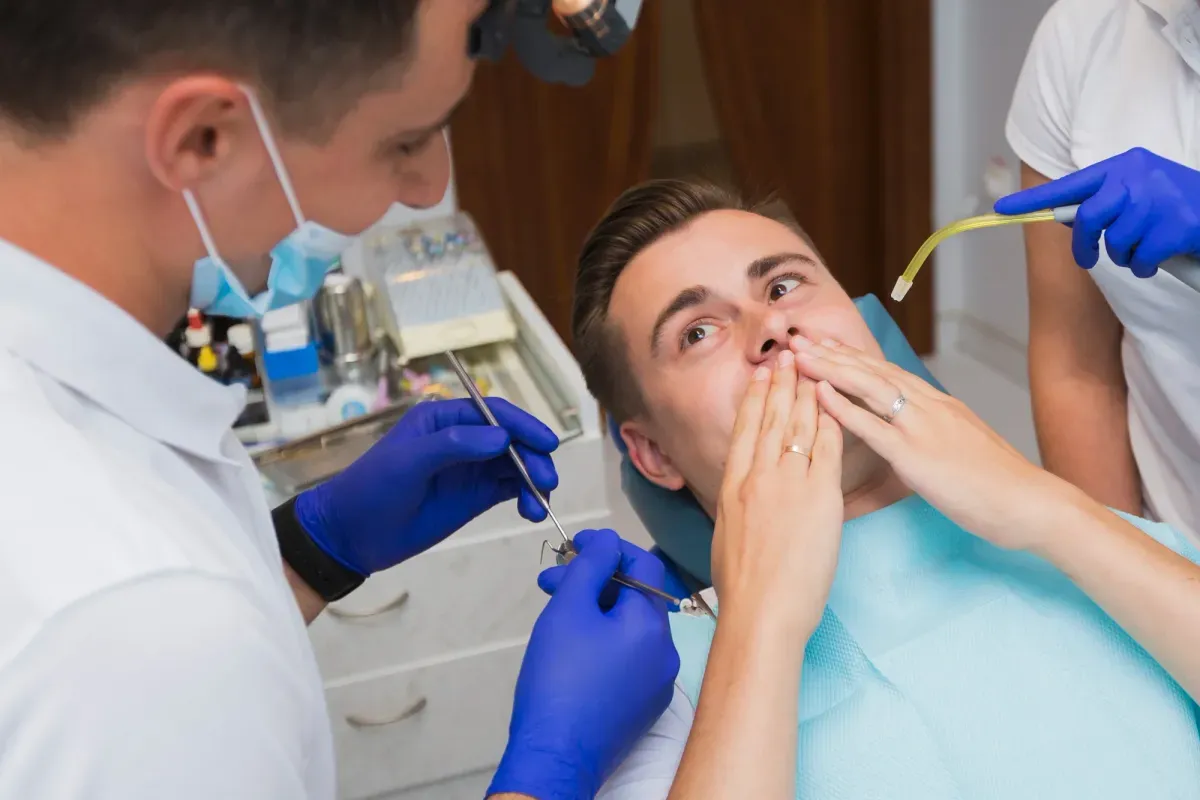
Understanding the causes of itchy gums can help you prevent serious complications that might lead to a tooth extraction in the future.
Frequently Asked Questions
Are itchy gums a sign of gum disease?
Yes, sometimes they can be a sign of gum disease. Early gingivitis commonly causes itching before more symptoms appear.
Can stress cause itchy gums?
Yes, stress indirectly causes itchy gums. Stress can contribute to teeth grinding, dry mouth, and changes in oral hygiene habits.
Can allergies make my gums itch?
yes . Food allergies and oral allergy syndrome are common causes of gum itchiness.
Is it normal for gums to itch while healing?
Yes. Mild itching can occur as gum tissue repairs itself after dental procedures or minor injuries.
How long do itchy gums last?
It depends on the cause. Allergy-related itching may resolve within hours, while gum disease-related symptoms may persist until treatment is provided.
References
- Healthline – Itchy Gums: Causes, Relief, and Prevention
- American Academy of Periodontology – Gum Disease Information
- National Institute of Dental and Craniofacial Research – Gum Disease


Member discussion