

Many people often get anxious prior to a dental extraction, particularly if they are being advised about wisdom tooth removal or surgical tooth extraction. But after understanding the procedure, the patient acts normally and comes out of the fear and gets prepared for it.
In simple terms, this guide explains how to proceed, what to do before and after the process, how much time it takes to recover, some helpful aftercare tips, risks, and treatment options.
What Is a Tooth Extraction?
Tooth extraction is a dental procedure where a Dentist extracts a tooth from the socket in the jawbone. The Dentist performs this procedure on a tooth that is badly damaged, broken, infected, loose, or causing problems in the mouth.
Extractions are performed in two basic ways:
- One is a simple extraction process for visible teeth.
- Another is Surgical tooth extraction for damaged or broken teeth.
A molar tooth extraction may also be required if back teeth are severely decayed or infected.
Why Do I Need a Tooth Extraction?
While the best approach for dentists is always to save natural teeth whenever possible, there are cases where tooth extraction is the best way to maintain good oral health. If a tooth is very decayed, infected, broken or damaged, a tooth extraction might be necessary. Further gum disease can cause teeth to loosen and lead to a dental extraction.
Sometimes, a Dentist will suggest having teeth extracted prior to braces therapy to manage overcrowding.
Many people also require a wisdom tooth extraction because the wisdom tooth is growing out of the right position, causing pain and swelling, and growing sideways. Some patients may be referred for an emergency tooth extraction if they experience sudden severe pain or infection and it may need to be taken out before it gets worse.
There are a number of reasons why you might need to have a tooth removed:
- Severe tooth decay
- Abscess, deep infection
- Advanced gum disease
- Teeth that are broken or cracked.
- Teeth that have become loose due to bone loss.
- Overcrowding before braces
- Trauma to the teeth, such as following injury.
- Impacted wisdom tooth
What Happens Before a Tooth Extraction?
Your Dentist thoroughly checks your mouth and does a dental X-ray, which is a part of a tooth extraction and required in procedure. These X-ray reports and pictures help in identifying the location of the damaged tooth, the shape and roots of the tooth, and the bone that surrounds it.
During your consultation, the Dentist may:
- Check with your physician.
- Check your current medications
- Discuss anesthesia options
- Explain recovery instructions
If the patient is anxious, they can discuss the ways with the patient to make the tooth extraction experience less painful, such as using sedation.
What Happens During a Tooth Extraction?
The type of tooth extraction depends on the condition of the tooth.
If it is a simple extraction- the Dentist will give local anesthesia to numb the extraction area. The tooth is carefully made loose and pulled out with dental instruments.
During a surgical extraction of a tooth, the Dentist might:
- Gently cut into the gum with a small cut.
- Excise adjacent bone, if necessary.
- Divide the tooth into smaller pieces.
- Remove the stitches and place new ones.
This technique is regularly employed in wisdom tooth removal.
What Happens After a Tooth Extraction?
Healing will start once the tooth is taken out. Your Dentist will cover the area with gauze to prevent the blood from clotting. Protects the bone and nerves during the healing of the gums.
It's normal to have mild symptoms after treatment, such as:
- Slight bleeding
- Swelling
- Jaw soreness
- Minor discomfort
It is important to take proper care of your teeth after they have been extracted to avoid infection and to allow for speedy recovery.
How long will you take to recover?
The time needed for tooth extraction recovery depends on the type of extraction and the overall health of the patient.
After the simple extraction, most people feel better in a few days. Usually healing of the gums takes 1-2 weeks. It may take a slightly longer time after surgical tooth extraction or wisdom tooth removal.
Even after the gums look healthy, the healing process for the whole tooth extraction will last for a couple of weeks in the jawbone. Tooth extraction recovery time can vary depending on the complexity of the extraction and your health.
The healing process works like this:
First 24 Hours
- Bleeding slows down
- The blood clot forms
- Mild swelling begins
First Week
- Pain and swelling improve
- The gum tissue begins to heal.
- Daily activities are easier to accomplish.Daily activities are less difficult to perform.
- Two Weeks and Beyond.
Two Weeks and Beyond
- Gum tissue closes up quite a bit.
- Most discomfort disappears
- Eating habits gradually return to normal.
Healing of the completely extracted tooth can take several weeks within the jawbone, particularly during surgical and molar tooth extraction.
How Do I Care for Myself After Tooth Extraction?
Taking proper care and rest after tooth extraction helps to minimize pain, lower risks and facilitate healing.
Important Aftercare Tips:
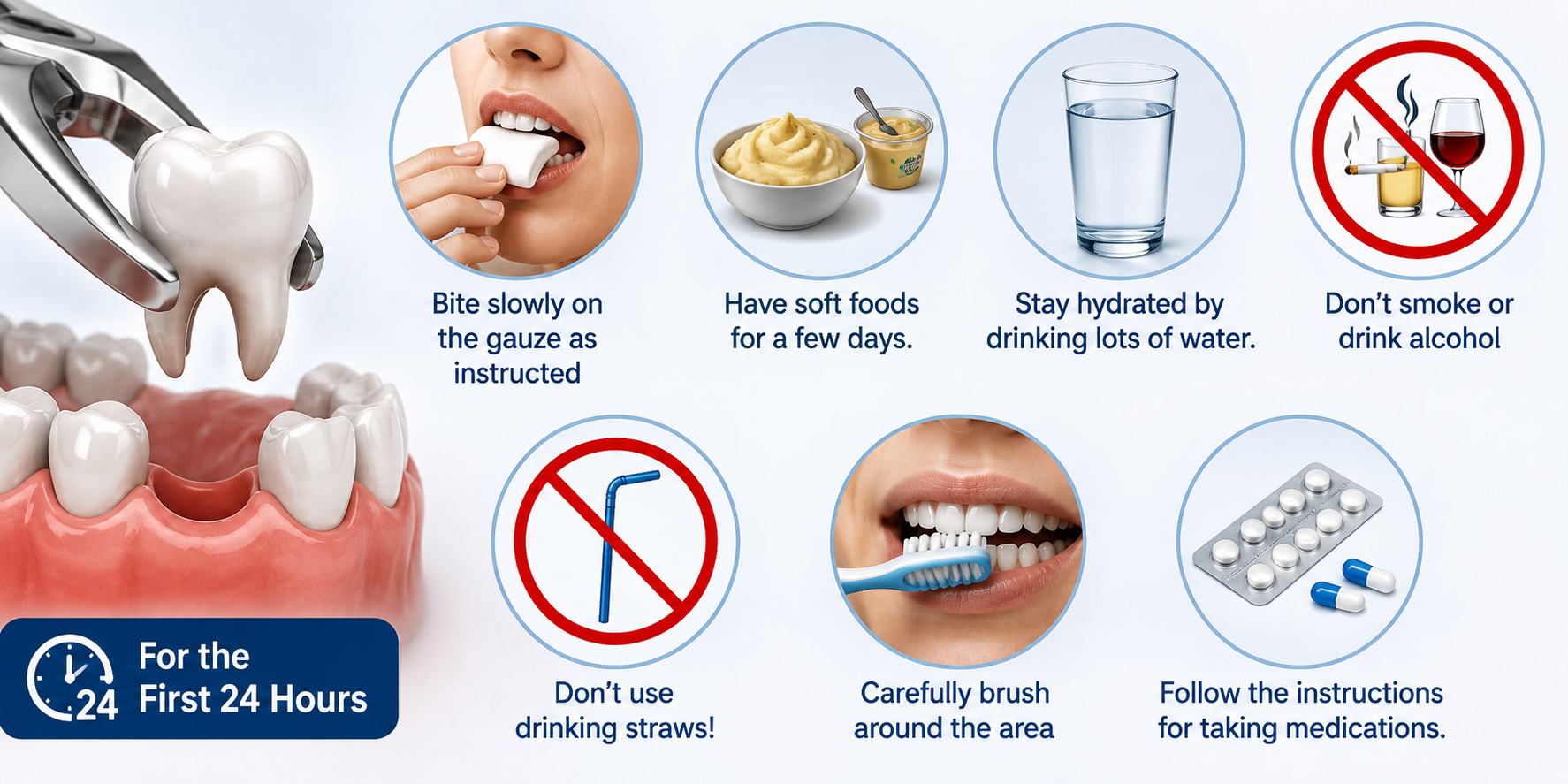
Soft foods are best during tooth extraction healing. Yogurt, soup, smoothies, rice, mashed potatoes, scrambled eggs and oatmeal are good choices.
What Are the Risks or Complications?
Although dental extraction is very safe, there are some complications that can occur anytime during the procedure.
- Possible Risks Include:
- Dry socket
- Infection
- Swelling
- Prolonged bleeding
- Nerve irritation
- Delayed healing
One of the most frequent side effects of tooth extraction is dry sockets. It occurs when the blood clot separates too early leaving the bone uncovered. This condition may result in great pain and delayed healing.
Sticking to post dental implant surgery guidelines will reduce the chances of complications occurring after the procedure.
When Should I Call My Dentist?
While it is normal to experience some discomfort after a tooth extraction, some symptoms should not be ignored.
If you have any of these symptoms, make an appointment with your Dentist:
- If the pain is severe
- During Heavy bleeding
- Fever or chills
- If Swelling happens after a few days
- Pus or discharge
- Difficulty swallowing
- Bad taste or smell in the mouth
Early treatment will avoid serious infection and increase the chances of recovery.
Are There Alternatives to Tooth Extraction?
Dentists prefer to preserve natural teeth. Other methods of dealing with a tooth that may be considered before tooth extraction include:
- Dental fillings
- Crowns
- Root canal treatment
- Gum disease therapy
- Dental bonding
The purpose of a root canal is to remove bacteria from within the tooth structure, which can often save an infected tooth. If the tooth is too badly damaged or not safe to be fixed, however, it may still be best to extract the tooth.
What Affects the Cost of Tooth Extraction?
The tooth extraction cost gets affected by multiple factors, such as the type of extraction, its location in the mouth, the type of anesthesia used, and the fees of dental clinics .
- Typical extractions are typically more affordable compared to surgical tooth extraction procedures.
- Wisdom tooth removal can be more expensive due to the added expense of surgery, sedation and other dental procedures that may be needed.
Your Dentist will be able to give you an accurate estimate once they will inspect your teeth and determine your treatment requirements.
Conclusion
The extraction of a tooth is a well-proven safe method of treating damaged, infected, loose, or painful teeth. A tooth extraction is an advanced procedure, whether it involves removing simple teeth, molars or wisdom teeth, but with modern techniques. The process is not that difficult or stressful for the patient. Understanding what to do during the tooth extraction procedure, how to do the proper care will help to minimize the chances of complications and promote quick healing.
Healing after the extraction of a tooth is very important; some of the steps involved in good after tooth extraction care include rest, soft foods and cleanliness of the mouth along with avoiding smoking. These measures can aid in faster recovery after the tooth extraction. While there is some discomfort and swelling that can occur, most patients recover in 1-2 weeks of treatment.
The price of a tooth extraction may vary. It depends on the complexity of the extraction, and the condition of the tooth. Early visits to a Dentist will help to avoid infection and prevent pain, as well as prevent your long-term oral health.
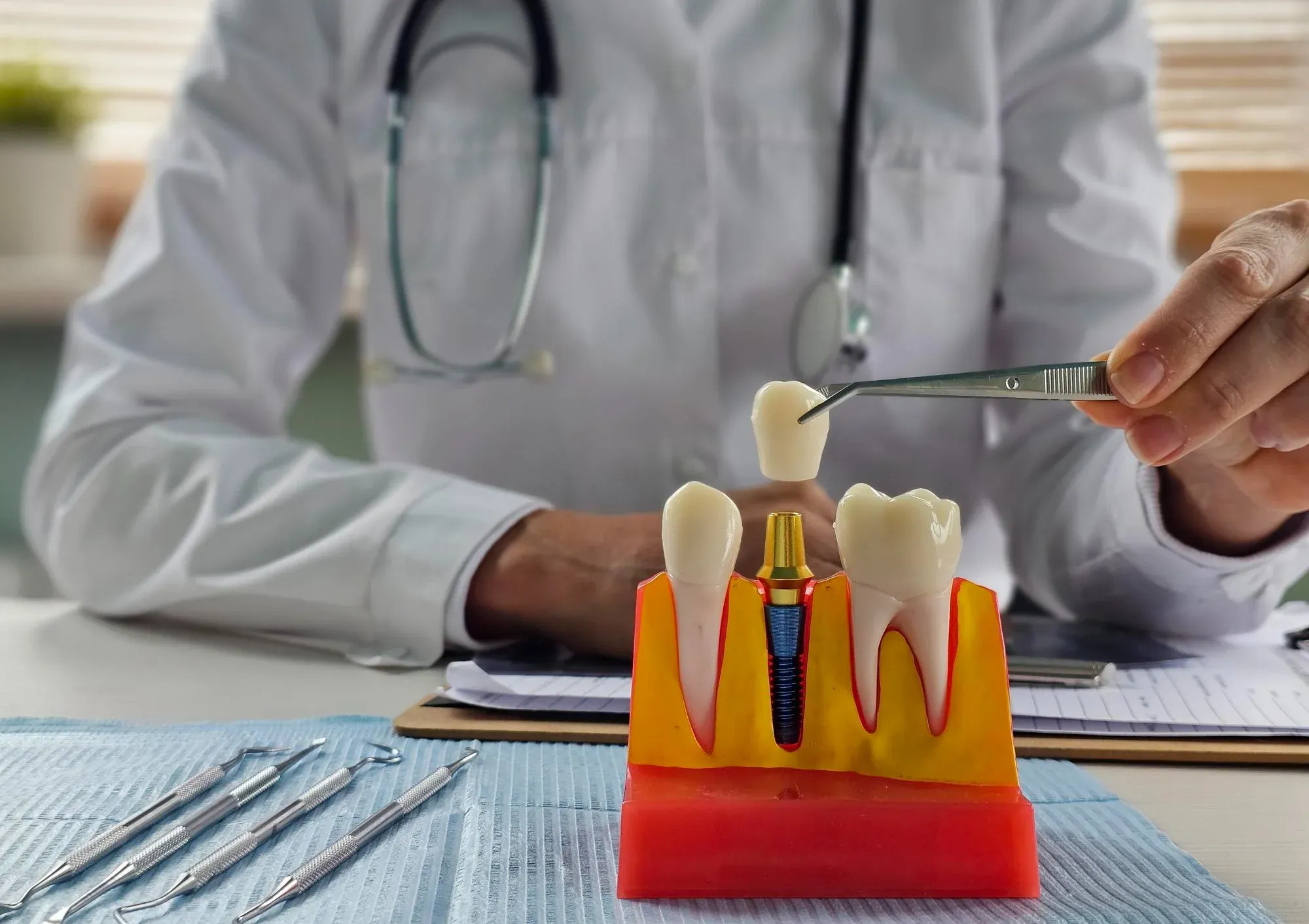
Tooth extraction can sometimes lead to bone loss over time. Learn how a bone graft helps preserve bone structure after extraction.
Frequently Asked Questions
Why is day 3 the worst after tooth extraction?
The third day after a tooth extraction can be the worst due to swelling and inflammation. This is usually followed by some mild pain, stiffness and tenderness. Usually, symptoms get better when you carefully follow the after tooth extraction care and medications.
Do and don'ts after tooth extraction?
Follow your dentist's advice after a tooth extraction, eat soft foods, rest, and drink plenty of liquid. Don't smoke, drink alcohol, or use straws. Also avoid eating hard foods or doing excessive exercise as these activities may slow healing after tooth extraction and may take it more time to recover.
How long does pain last after a tooth extraction?
If the tooth extraction is causing a bit of pain, it will subside gradually over the next few days and improve with proper after care. It may last a little longer after a surgical tooth extraction or wisdom tooth extraction, if there is any swelling or irritation during the healing.
Can I eat normally after a tooth extraction?
Doctors say it is best to avoid hard foods for a few days after a tooth extraction to give that area some time to heal. Crunchy foods, spicy foods, hard foods, or hot foods may irritate the extraction area and delay healing of that part, particularly for the first few days after the extraction.
How do I sleep after a tooth extraction?
If you have had a tooth extraction, while sleeping try to put your head up a little with pillows. This will help in decreasing bleeding and swelling for the recovery period after tooth extraction. Don't sleep on the side of the tooth extraction area as it can irritate and cause discomfort during the night
What should I avoid after a tooth extraction?
Do not drink through straws, smoke, drink alcohol, do hard foods, or overexert for several days after a tooth extraction. These activities can affect the healing process of the tooth extraction area, causing dry socket or infection.
When can I return to work after a tooth extraction?
After a simple tooth extraction, most people resume their daily routines and start working in one or two days. Depending on the swelling, discomfort and healing process, you should take more rest after a surgical removal of a tooth or wisdom tooth extraction.
Is tooth extraction very painful?
Most patients can have a painless tooth extraction, thanks to modern anesthesia. It's possible that you'll feel pressure during the procedure, but not sharp pain. A little pain following dental extraction is normal and should improve in a few days with appropriate care.
How long does it take to recover from an extracted tooth?
The entire tooth extraction recovery period is about 1–2 weeks for gum healing. However, there can be a few more weeks until the complete healing of the extraction area is complete in the jaw bone, particularly if it is a surgical tooth extraction or a wisdom tooth extraction.
What should I avoid after a tooth extraction?
Avoid smoking, heavy exercise, drinking through straws, hard foods and alcohol for several days after a tooth extraction. These can disrupt the blood clot, slow healing of the tooth removal area and heighten the dangers of problems such as dry socket.
How much does a tooth extraction cost?
The price of the tooth extraction varies with the type of extraction, the location of the tooth, the type of anesthetic and the fees charged by the dental clinic. A simple extraction is typically more affordable than a surgical extraction or more complicated wisdom tooth extraction that requires other dental services.


Member discussion