


Knowing the cavity formation timeline can help you prevent bigger dental issues in the future and catch decay early. Dental cavities don't just occur in one day. The tooth decay slowly affects the enamel, then goes deeper into the tooth. By understanding the cavity stages, the signs of warning and the causes, you can protect your teeth and help you to avoid expensive dental treatments.
In this guide, you will learn how quickly cavities spread, how fast do cavities form, signs and symptoms to look for, and how to prevent cavities before they become a serious issue.
What actually is a cavity?
A cavity is an area in a tooth that has been damaged permanently and is caused by bacteria, plaque and acids. When bacteria feed on the food particles and sugars on the teeth, which causes acid production. These acids gradually dissolve and damage the enamel.
With the passage of time, the damage makes small holes in the surface of the tooth. If untreated, the decay goes deeper into the inner pulp and affects the dentin.
Cavities can develop on:
- Chewing areas
- Between teeth
- Near the gum line
- Tooth roots
It's important to understand tooth decay progression so that you can treat it early and stop the cavities before they get very painful or infect the teeth.
How Long Does it Take for a Cavity to Form?
Many people often wonder, how long does it take for a cavity to form?This exactly varies from person to person.
If someone has good oral hygiene, then it may take years to develop cavities. Sugary foods, brushing in the wrong way, dry mouth and smoking. All these things can together accelerate decay much more quickly.
Typically it starts with enamel weakening. In starting there might be no pain or visual damage . But when the enamel gets decayed, bacteria goes deeper into the other softer and inner parts of the tooth more quickly.
Decay can grow to a big problem in months if left untreated, small holes can stay harmless for years.
Cavity Formation Timeline
The process of cavity formation typically takes place over time but can be accelerated depending on the oral hygiene, diet, and dental health of the person. Cavities start when plaque bacteria make acids which break down the enamel.
Stage 1: Plaque Buildup
When food particles and saliva combine with the bacteria on the teeth, the result is plaque. When plaque is not removed correctly, its surface starts getting attacked by acid.
Stage 2: Enamel Weakening
Over time, the minerals are slowly leached out of the enamel, creating weak white spots on the tooth. There is still a possibility to salvage the tooth at this stage using fluoride and proper oral hygiene.
Stage 3: Cavity Formation
The enamel starts to decay and tiny pits form on the surface of the tooth. After this, it is very necessary to get treated with professional dental care.
Stage 4: Deep Tooth Decay
As decay progresses, it gets deeper into the dentin and can penetrate into the pulp. During this period, pain, tooth infection and sensitivity tend to be more prominent.
Early Cavity Stages Explained
The early cavity stages to include:
- Children develop white spots on their teeth
- Enamel becomes weaker
- You will feel slight sensitivity
- There could be slight discoloration.
Fluoride treatment and improved oral hygiene at this stage can still repair the damage.
The cavity development stages cause the enamel to further break down and allow bacteria to penetrate deep into the tooth structure. If the decay has progressed into the dentin, the level of pain and sensitivity will also be increased.
The best time to be able to avoid fillings, root canals or tooth loss is to detect the cavity early.
How Quickly Does Tooth Decay Spread?
There are some factors that tell how quickly tooth decay spreads and can be managed. The spread of tooth decay varies depending on the health of the tooth and the regular care of the teeth. In the initial stage, tooth decay happens slowly and works on the enamel. When it enters the dentin, however, the process becomes much faster as dentin is softer and more sensitive.
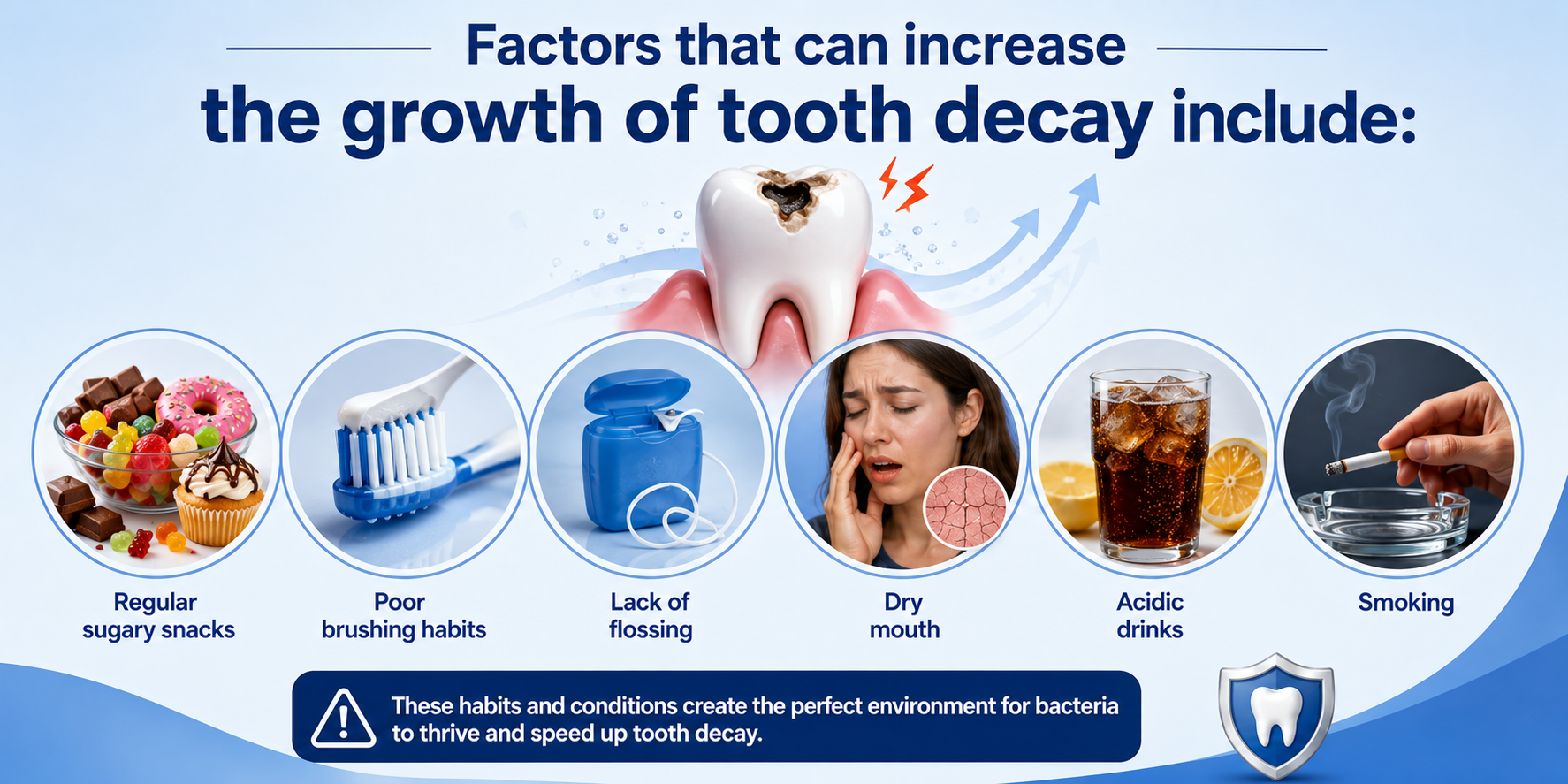
Factors that can increase the growth of tooth decay include:
- Regular sugary snacks
- Poor brushing habits
- Lack of flossing
- Dry mouth
- Acidic drinks
- Smoking
Signs of an Early Cavity
Initially tooth decay is difficult to detect because the symptoms are minimal. People don't always feel pain in the initial stages of tooth decay.
White or Brown Spots
As the enamel starts getting weaker, small white, yellow, or brown spots may show up on the tooth surface.
Tooth Sensitivity
People may experience some tenderness while having hot, cold or sweet foods or beverages.
Food Getting Stuck
Food particles can become stuck between the teeth or in rough, wide areas of tooth surfaces that can cause early decay.
When a Cavity Becomes Serious
Cavities never become serious overnight, you may have had it for years but deep inside somewhere at the side of the tooth. It gradually damages your tooth and once decay progresses into deeper layers of the tooth, it's considered serious.
These are the following symptoms that occur:
- Sharp tooth pain
- Swelling
- Food sensitivities: sensitivity to hot and cold foods
- Infection
- Difficulty chewing
- Gum irritation
If left untreated, decay can progress to damage to the tooth pulp and lead to an abscess. It can even be spread to other parts of the gum area.
Understanding this is crucial for maintaining oral health, as it is vital to understand how quickly the tooth decay will progress and how the cavity will develop.
What Makes Cavities Form Faster?
There are several habits and health conditions that can cause the cavities to form quickly. Some of the major causes include poor oral hygiene and sugary foods.
Frequent Sugar Intake
Sweets and sugary drinks are a food source for bacteria in the mouth and are associated with higher levels of acids that attack tooth enamel.
Poor Oral Hygiene
Plaque can remain on teeth longer when you don't brush and floss, and plaque increases the chances of tooth decay.
Dry Mouth
Saliva is beneficial in flushing away acids and bacteria. Dry mouth for a longer time can lead to higher cavity risk, as teeth will start to decay without the production of saliva.
Can Early Cavities be Reversed?
Yes, cavities can sometimes be prevented if caught early enough before the hole has formed in the tooth. In the early stage of cavity, the enamel is weak, it will heal if you take proper care of it. Fluoride toothpaste, fluoride treatments, healthy eating and good oral hygiene can help build up enamel and reduce the rate of decay. Eating less sugar also helps to minimize plaque acid attacks on the teeth. Once the enamel breaks and a cavity forms, however, the tooth mostly needs proper care, like a filling. Early dental treatment helps in preventing decay on time.
How to Slow or Prevent Cavity Formation
The best way to prevent cavities is to practise good daily oral hygiene that helps to maintain healthy enamel and reduce the amount of harmful bacteria in the mouth. Proper oral hygiene helps to slow the process of tooth decay and reduces the chances of future dental complications. Anything you can do to keep your teeth healthier for a longer time is beneficial, even if it's just making a small change.
Here are some healthy habits to help prevent cavities:
- Brush teeth 2 times a day using fluoride toothpaste.
- Floss every day to clean between teeth.
- Reduce sugary food and beverages.
- Stay hydrated all day.
- Don't smoke and don't have tobacco products.
- Get regular check-ups and cleanings at the dentist.
- Consume foods that are high in calcium and vitamins.
- Change your toothbrush every few months.
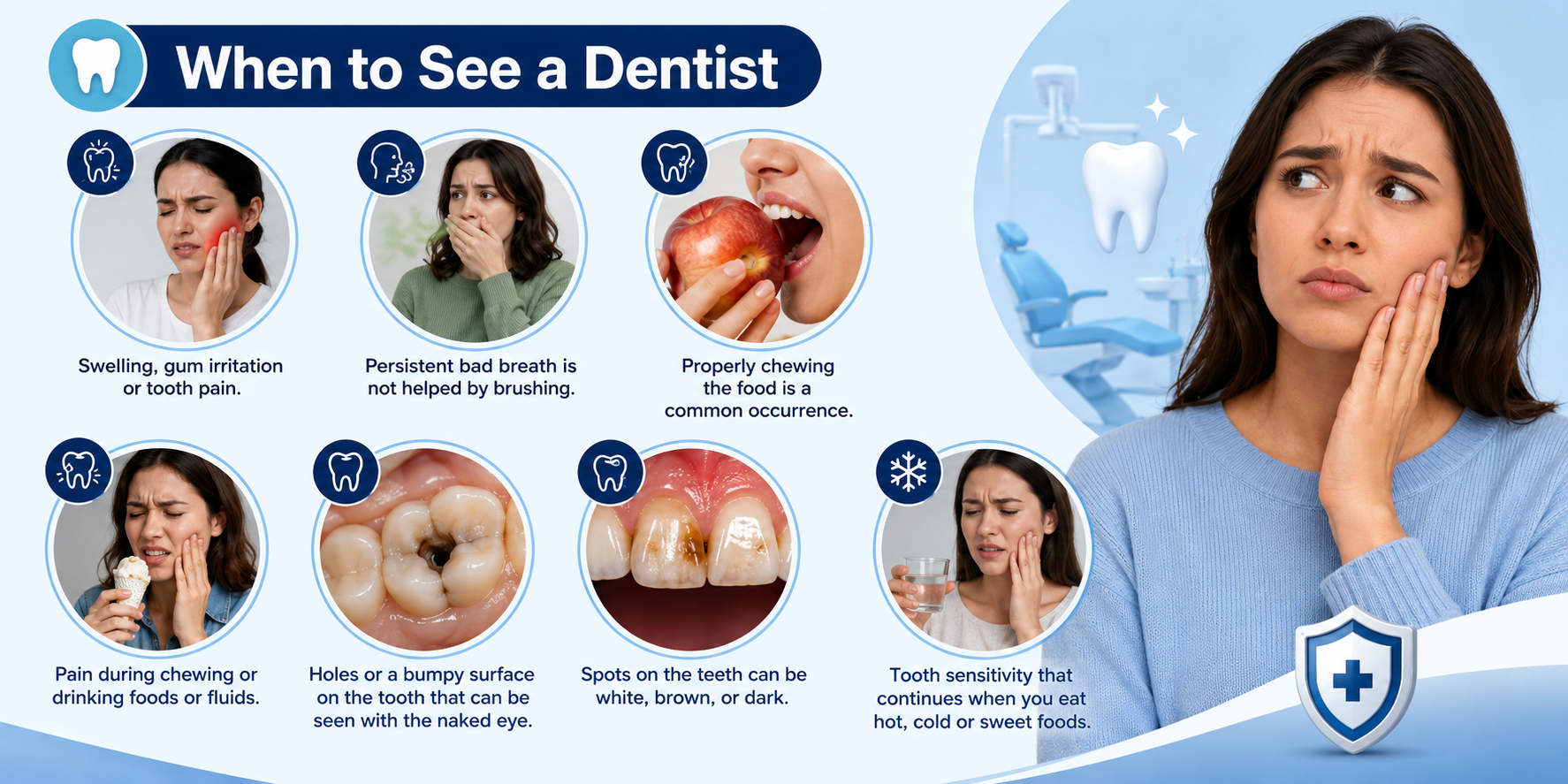
When to See a Dentist
Early cavities usually don't cause any pain, which is why it is important to see your dentist regularly, even when there are no signs or symptoms.
Common Myths About Cavity Formation
There are many common myths out there associated with cavity formation, which can mislead people and delay the treatment of their cavities. Knowing the truth can help to keep your teeth safe and improve oral health.
Cavities Always Cause Pain
Unfortunately, many cavities do not cause pain in the early stages, which is why routine check-ups at the dentist are crucial.
Only Children get Cavities
Cavities only happen to children. Cavities are not limited to children. Old people and adults can get cavities.
Sugar Alone causes Cavities
Other causes of tooth decay include poor oral hygiene, plaque buildup, bacteria and acidic food.
Small Cavities Heal Automatically
After a cavity has opened up in the tooth, it requires a dentist's intervention. A cavity never heals on its own.
Brushing Harder Cleans Teeth Better
Brushing too hard can harm the tooth enamel and make the gums inflamed.
If there is No Visible Hole, there is No Cavity
People think that if there is no visible hole, there is no cavity and cavities can't occur in healthy looking teeth but this is a myth.
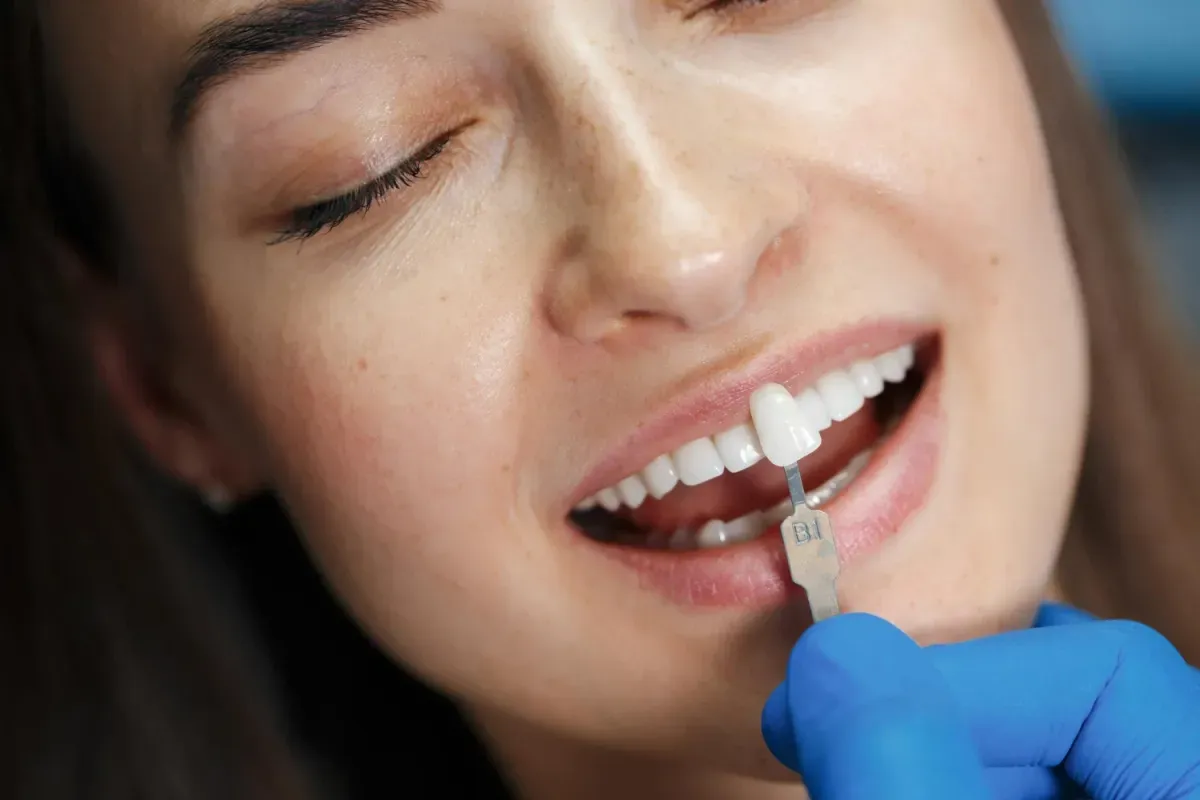
Dental veneers can restore the look of teeth damaged by cavities, stains, or enamel wear. However, preventing tooth decay early is the best way to protect your natural smile.
Frequently Asked Questions
How long does it take for a cavity to form?
The formation of cavities will depend on oral hygiene, diet and dental health. Cavities can form over years of time or occur more quickly due to bad habits within a matter of months.
How fast do cavities form in adults?
The rate at which cavities develop in adults will depend on how often they brush their teeth, their sugar consumption, dry mouth and dental hygiene. Sensitive roots or gums may form cavities more quickly.
Can cavities spread to other teeth?
Although cavities don't spread directly, there is a risk of cavities in adjacent teeth if the harmful bacteria and poor oral hygiene result in a cavity.
What are the signs of early cavity damage?
White spots, tooth sensitivity, mild pain, discoloration and rough areas on the tooth surface are all signs of early cavity issues.
How quickly does tooth decay spread after starting?
The decay progresses after it penetrates the dentin and it depends on the oral hygiene, consumption of sugars, and delay in treatment. Typically accelerates after the enamel has been damaged.
Can brushing stop cavity formation?
Damage can be slowed down or even reversed in the early stages of the cavity with good brushing and fluoride toothpaste before a cavity is formed.
Do cavities always need fillings?
If the enamel is damaged it still has the chance to recover, but if the cavity is deeper, it may necessarily need a filling or other treatment for the cavity to prevent further decay.
How long before cavity becomes serious?
The time for the cavity to develop into a problem varies depending on how well a person takes care of their teeth, how long does it take for a cavity to form and also on how quickly tooth decay spreads.
Conclusion
A person must know how long does it takes for a cavity to form. Knowing that will make it easy for them to take better and timely treatment of the tooth cavity and also help to avoid severe dental issues. Most cavities occur gradually, progressing through various stages of cavity development. But if the oral hygiene is poor, taking too many sugary foods, smoking and having dry mouth, then cavities can occur much faster. The great thing about all that is, that progression of tooth decay can be slowed down by early treatment and following healthy habits. Sometimes the damage can be reversed in the early stages of a cavity. If you see the early signs of cavities, like tooth sensitivity and white spots, you can take treatment before the cavity develops into a painful or serious issue. The best ways to prevent cavities and maintain long term oral health are to brush twice a day, floss, reduce sugar intake, use fluoride, and visit the dentist regularly.


Member discussion