Partial Dentures: Types, Benefits, Costs, and How to Care for Them

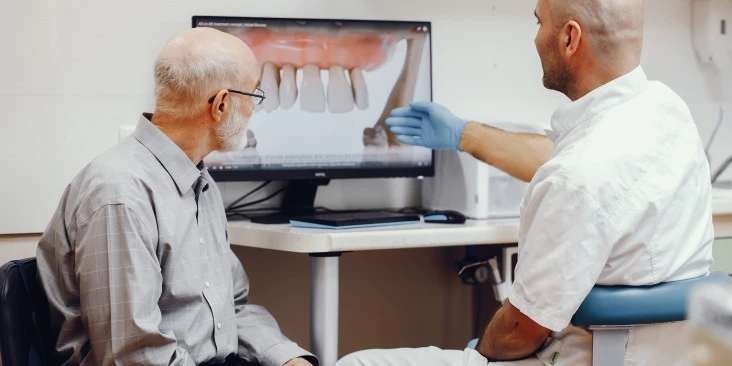
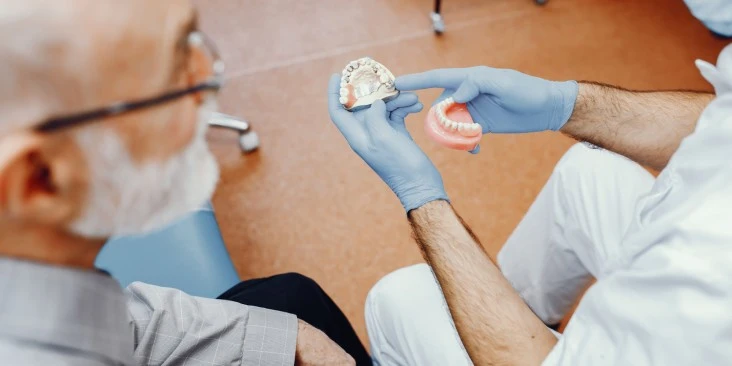
Partial dentures are a type of denture used for partial edentulism, or the absence of one or more teeth. They are typically fitted with artificial teeth and a gum-colored base. The appliance is designed to fit around the remaining teeth and gums and keep them secure.
The majority of RPDs (removable partial dentures) can be removed for cleaning and sleeping. They are designed to fit your mouth. Are teeth considered bones?
For instance, a partial denture may be placed if two teeth are missing on one side of your lower jaw.
Types of Partial Dentures
Different materials are used to make partial dentures. Your dentist will offer the best option based on the following factors: oral health, number of missing teeth, comfort, appearance, and budget.
1. Acrylic Partial Dentures
Acrylic partial dentures use acrylic resin, a pink plastic material, to manufacture the denture. Artificial teeth are attached to this base, which rests against your gums.
Benefits
Generally less expensive than metal dentures.
Simple to fix or change in many cases.
Can sometimes be used as temporary dentures.
Relatively simple to make.
Limitations
May have a thicker, bulkier feel.
These are liable to break when dropped.
Ill-fitting dentures can exert undue forces on adjacent teeth and gums.
2. Cast Metal Partial Dentures
The second stage involves casting metal partials.
Permanent dentures, which have a metal base usually made of cobalt-chromium alloy, offer several benefits. The framework is used to hold artificial teeth on an acrylic base that rests against the gums.
They provide support for the denture with metal clasps and other types of accessories, which are determined by your mouth condition.
Benefits
Strong and durable.
Typically, they are thinner than acrylic dentures.
Can provide good stability when properly designed.
More comfortable for long-term use.
Limitations
Are typically more expensive than acrylic dentures.
Metal clasps may be visible when you smile.
Careful planning and fitting are required.
3. Flexible Partial Dentures
Flexible dentures are constructed of acrylic- or other materials that are flexible. Their base is gum-coloured and can complement your natural gum colour.
They can also be beneficial for those who are uncomfortable with or don't like the look of metal clasps.
Benefits
Lightweight and flexible.
In several designs, no metal fastenings can be seen.
Can achieve a natural look.
Limitations
It can be challenging to make repairs and adjustments.
Partial dentures may not be suitable for all patterns of missing teeth.
They may not provide the same support as a properly designed cast-metal denture.
Benefits of Partial Dentures
There are several common advantages:
1. Easier Chewing
Without all your teeth, you might have trouble chewing some food. A properly fitted denture allows for improved chewing function and increased comfort when eating.
2. Better Appearance
False teeth are used to fill in the gaps and make your smile look better.
3. Clearer Speech
When you have missing front teeth, you may have difficulty with certain sounds. They can be replaced, and this may have an effect on your speech.
4. Support for Remaining Teeth
A well-designed partial denture can help prevent adjacent teeth from moving in unwanted directions by filling the empty space. It does not, however, stop all tooth movement and bone loss.
5. No Surgery Required (Mostly)
Conventional removable dentures don't require surgery or dental implants for older adults.
Disadvantages of Partial Dentures
These dentures are helpful but also come with certain drawbacks.
1. Gum Tissue Irritation
Your gums might be irritated at first.
2. Bleeding Gums
An ill-fitting denture may lead to sore gums.
3. Food Collection
Small pieces of food can become stuck below the denture.
4. Movement
Ill-fitting dentures may move while eating or talking.
5. Maintenance
They must be taken out and cleaned from time to time.
Poor design and lack of cleaning can cause tooth decay and gum disease around supporting teeth.
A denture should not cause continuous pain. If it becomes loose or causes sores, visit your dentist to get it adjusted. Never bend the clasps.


Consult a dental surgeon
How Are Partial Dentures Made?
It typically requires multiple dental visits to get a new denture.
Step 1: Dental Examination
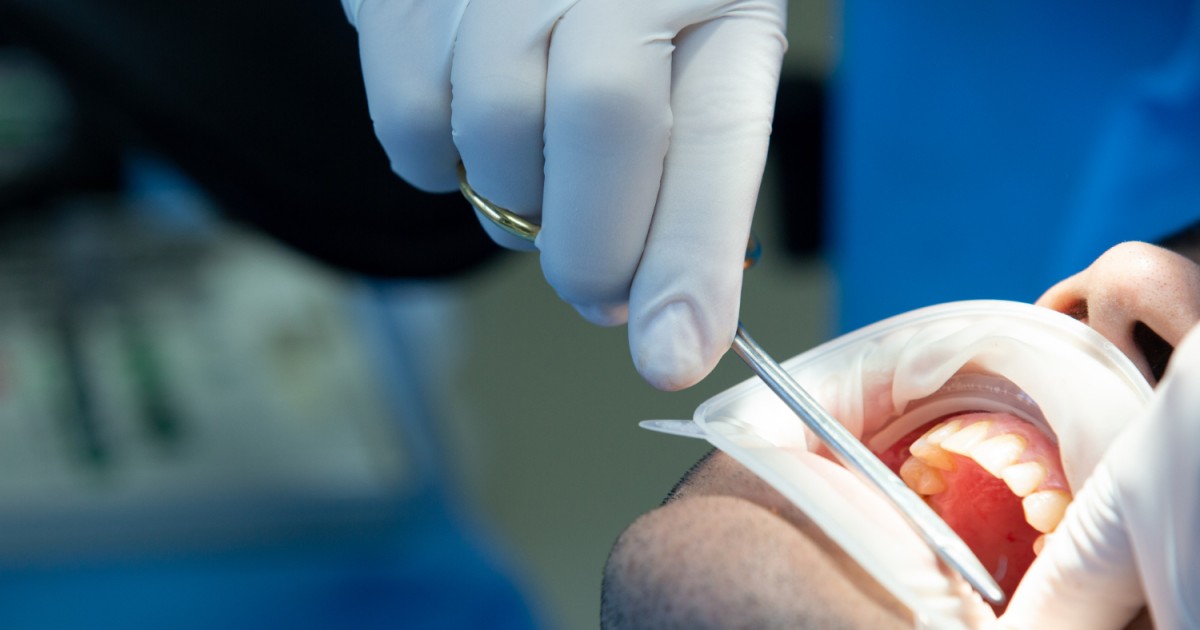
Your dentist examines what's left of your teeth, gums, and jaw. X-rays might be required to detect issues that are not apparent in a routine examination.
Step 2: Dental Impressions
The dentist takes a mould or a digital scan of your mouth. These records assist in producing a denture that fits your teeth and gums.
Step 3: Denture Preparation
These records are used by a dental lab to make your custom appliance. The dentist may also examine how your upper and lower teeth come into contact.
Step 4: Trial and Fitting
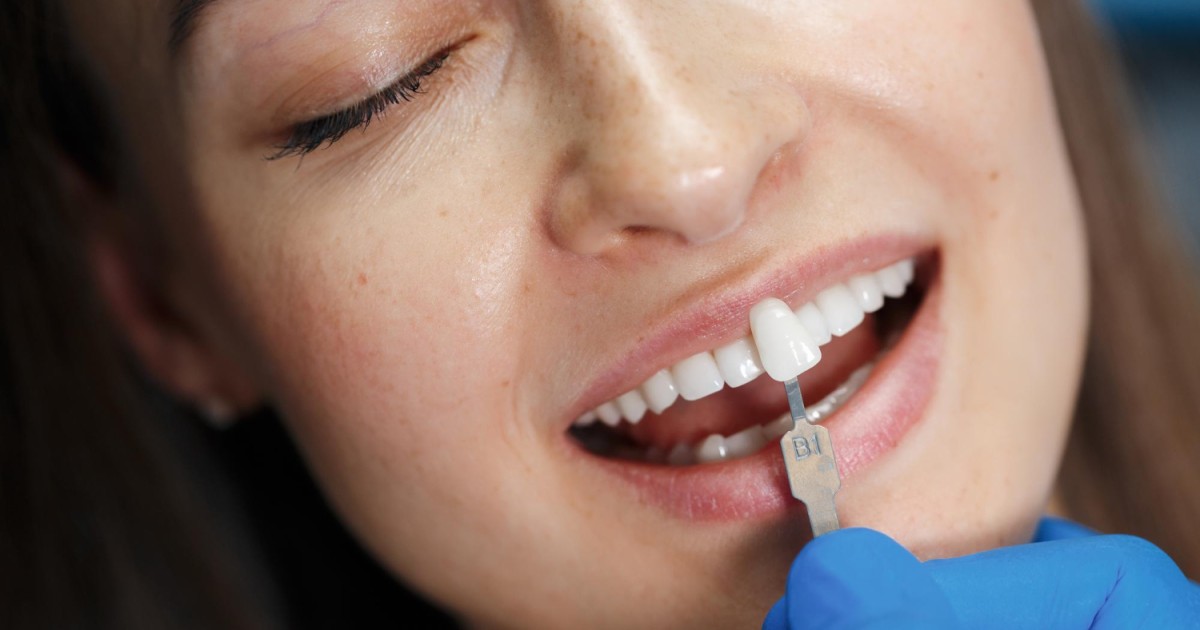
The denture is fitted in your mouth to see how it fits, looks, and works. Modifications might be required for comfort.
Step 5: Follow-Up Visits
Your dentist inspects for sore spots, damaged clasps, and trouble chewing. If you experience pain from your appliance, there are some simple changes your dentist can make to improve its comfort.
How to Take Care of Partial Dentures?
Caring for your partial dentures is just as important as caring for any other kind of denture.
Proper denture care will keep your denture and natural teeth safe.
Here are some easy tips:
Take out and clean your denture daily.
Remove food particles and plaque with a soft denture brush.
Brush your other natural teeth with fluoride toothpaste twice a day.
Be sure to check near the metal clasps.
Unless otherwise advised by your dentist, take your denture out at night.
When not in use, put it in water or a recommended soaking solution, according to the manufacturer's directions.
See your dentist often for a check-up of its fit.
Don't use hot water, as it can affect some denture materials. Also, avoid harsh cleaners or household bleach unless your dentist has specifically recommended that you use them.
The American Dental Association recommends not cleaning dentures with regular toothpaste.
How Long Do Partial Dentures Last?
Their longevity will depend on the type of material, the design, your oral health, and any changes to your mouth.
If acrylic dentures crack or become loose, they might require repairs or replacement sooner. Metal dentures last longer but also require regular evaluations.
Your gums and jawbone can shift following the loss of a tooth. This could affect the fit of your denture over time.
If your denture slips, becomes painful, or interferes with your speech, see your dentist. An adjustment or relining may be required, or you may need a replacement.
Frequently asked questions
Are partial dentures better than dental implants?
Both options have advantages. Partial dentures are usually less expensive and do not require surgery. Dental implants are fixed into the jawbone and can provide greater stability, but they require surgery and suitable bone support. Your dentist can help you choose based on your oral health and budget.
Can I sleep with partial dentures?
Most people should remove their removable dentures before sleeping. This gives your gums time to rest and helps reduce the risk of irritation. Follow your dentist's specific instructions.
Can I eat normally with partial dentures?
Yes, you can eat many foods after getting used to your dentures. Start with soft foods, cut them into small pieces, and chew slowly on both sides. Avoid very hard or sticky foods initially.