
Teeth are important to your everyday life. They help you bite an apple, chew your favorite food, and talk clearly. However, you might wonder how many teeth do humans have?
The number changes as you grow. Babies are born with no visible teeth, children have baby teeth, and adults have permanent teeth. So, how many teeth do humans have? Adults have a total of 32 permanent teeth, including wisdom teeth. Typically, children have 20 primary teeth. Some adults have only 28 teeth because their wisdom teeth have not come in or have been extracted.
Let's learn about how the number of teeth changes as we get older and what each tooth is used for.
How many teeth do humans have: Adults
An adult has 32 teeth if all four wisdom teeth are present. These teeth are arranged in the upper and lower jaws. The distribution is:
8 incisors
4 canines
8 premolars
12 molars, including 4 wisdom teeth.
There are typically 16 teeth in each jaw.
But you might have noticed that some adults don't have as many teeth as others. This is very common. There are many individuals who have 28 teeth due to the absence of wisdom teeth (last corner teeth of the mouth) or their extraction.
The permanent teeth typically start to erupt at the age of 6. By the time most children are young teens, they will have 28 permanent teeth. The other four wisdom teeth can come in much later.
How many teeth do humans have: Children
Most children have 20 primary teeth (also known as baby teeth or milk teeth). These include:
4 upper incisors
4 lower incisors
2 upper canines
2 lower canines
4 upper molars
4 lower molars
Baby teeth usually start to come in between 6 and 10 months. Usually, the lower front teeth come out first, followed by the upper front teeth. Most children will have their 20 baby teeth by about 3 years.
The significance of these small teeth is of several kinds. They assist kids in chewing various foods, speaking words correctly, and keeping space for future permanent teeth.
Early loss of a baby tooth due to decay or injury can sometimes cause the permanent tooth to shift. This is why parents should make sure to take care of children's teeth even if they are just temporary. Prevent and treat tooth cavities.
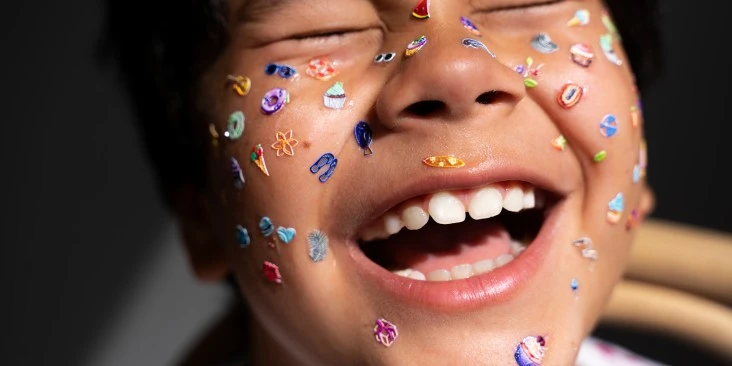
What Are the Different Types of Human Teeth?
Each tooth has its own function. Some teeth bite through food, some teeth tear, and some grind food. Permanent teeth come in four different types.
1. Incisors: Teeth Used for Biting
The 8 front teeth in your mouth are called incisors. They are sharp and thin, which helps in cutting food into smaller pieces.
For instance, the first teeth that work when biting into a carrot or bread are the incisors.
They also play an important role in speech and facial appearance.
2. Canines: Teeth Used for Tearing
The pointed teeth next to the incisors are called canine teeth. There are 4 canines, 2 upper and 2 lower.
They are pointed to help tear food into smaller pieces. They also play a role in guiding your teeth when you chew.
3. Premolars: Crushing Teeth
Premolars are behind the canines. The number of premolars an adult will possess is typically eight.
They have broader chewing surfaces than incisors and canines. They help crush and break food before it reaches the molars.
There are no premolars in a child's primary dentition. These teeth are part of the permanent dentition.
4. Molars: Grinding Teeth
The large teeth at the back of your mouth are called molars. The number of molars in an adult is typically 12, which includes wisdom teeth.
They have a wide surface area that helps to grind the food, making it easier to swallow and digest.
The first permanent molars usually appear around six years of age. They erupt behind the baby molars, which is why parents may mistakenly think that they are baby teeth development.
What Are Wisdom Teeth?
Wisdom teeth, also known as third molars, develop at the very back of the jaw.
Wisdom teeth are the final permanent teeth to come in. They are also known by the name of third molars since they come after the second molars.
The majority of people will have four wisdom teeth, one in each corner of their mouth. They typically erupt between the ages of 17 and 25, but the age can differ.
These teeth do not develop in some people. Others have wisdom teeth that remain impacted under the gums.
This is called impaction.
Symptoms of Wisdom Tooth Impaction
These are the possible symptoms of a wisdom tooth impaction:
Pain at the back of the jaw.
Gums that are swollen and painful.
Problems opening the mouth.
Food getting stuck in the area around the tooth.
Repeated gum infections.
Dental caries in the wisdom tooth or the second molar next to it.
In some cases, though, wisdom teeth don't require extraction. They can be successfully retained if they erupt in the right position, stay healthy, and can be properly cleaned.
The decision is based on a clinical evaluation and, if necessary, dental X-rays.


Consult a dental surgeon
Why Does the Number of Teeth Vary From Person to Person?
The number of teeth is not the same for everyone. There are several factors that can influence the number of teeth that a person will get or keep.
1. Missing Wisdom Teeth
Some individuals may not have all four wisdom teeth. This can occur due to genetic differences.
An adult without wisdom teeth may have 28 permanent teeth.
2. Tooth Extraction
Teeth that are too badly damaged may be extracted due to the presence of significant decay, gum disease, infection, or injury.
If all other permanent teeth are present, a person who has all 4 wisdom teeth removed would normally have 28 teeth.
3. Hypodontia
Hypodontia is a condition where one or more permanent teeth do not develop.
It may affect certain teeth more commonly than others, such as the second premolars or upper lateral incisors. Genetic factors may be involved.
Radiographs and clinical examinations will allow a dentist to detect the presence of missing teeth.
4. Hyperdontia
Some people develop more than the normal number of teeth. This is termed hyperdontia.
Additional teeth can grow between the front teeth or elsewhere in the tooth row. They may lead to overcrowding, delayed eruption, or misalignment of teeth.
Not all extra teeth are troublesome, but dental evaluations are important.
What Can Be Done to Maintain Good Oral Health and Natural Teeth?
Whether you have 20, 28, or 32 teeth, it is important to take care of them daily.
Here are some basic practices for the best oral care routine
Brush after eating twice a day with fluoride toothpaste.
Floss at least once a day to remove food particles between teeth.
Minimize sugary treats and sugary beverages.
Drink plenty of fluids, particularly after eating.
Do not bite hard objects like ice or bottle caps.
Get regular check-ups with your dentist.
Seek early diagnosis if you experience wisdom tooth pain, swelling, or bleeding gums.
Good oral hygiene helps prevent tooth decay and gum disease. It can also help retain natural teeth for many years.
Related Article: Dental Implants for Seniors
Frequently asked questions
How many teeth does a normal adult have?
A typical adult has 32 permanent teeth, including four wisdom teeth. However, many adults have 28 teeth if their wisdom teeth are absent or removed.
Do children have fewer teeth than adults?
Yes. Children usually have 20 primary teeth, while adults generally have 32 permanent teeth. The primary teeth gradually fall out and are replaced by permanent teeth.
Can wisdom teeth grow after the age of 25?
Yes. Although wisdom teeth commonly erupt between 17 and 25 years, they may appear later. Some remain impacted throughout life, while others never develop.