


Apples are among the most widely consumed fruit worldwide. They are known for their fiber, vitamins and antioxidants content. Although the benefits are innumerable, many people often think that the natural acidity of apples might result in problems associated with teeth and digestion. Common questions which arise in people's mind include: Are apples acidic? Can apples damage teeth?, and Do apples help digestion?
Apples are naturally acidic. But their effect on teeth and digestion is dependent upon several factors, like the variety of apple, the manner and timing during which they are eaten , oral hygiene habits, and digestive health.
Though upon consumption the acidity of the mouth falls temporarily, but at the same time chewing whole apples also stimulates saliva production, which helps neutralize acids and protect your teeth. Likewise, the fiber in apples supports healthy digestion, nourishes beneficial gut bacteria, and promotes regular bowel movements.
Are Apples Acidic?
Acidity is the measure of how acidic a substance is, based on the concentration of hydrogen ions (H⁺) it contains. It is commonly measured using the pH scale, which ranges from 0 to 14.
- pH below 7: Acidic
- pH of 7: Neutral (pure water)
- pH above 7: Alkaline (basic)
Whole apples range in its pH somewhere between 3.3 to 4.0, which makes them moderately acidic. Acidity of an apple can be considered more than milk or coffee (pH-6.5-6.8), and somewhat acidic than citrus fruits like lemon (pH-2.0-2.6).
Not all apples have the same acidity. Factors such as the variety, processing, ripeness, and growing conditions influence the acidity. For example, tart green apples generally contain more malic acid than sweeter red varieties. Based on published horticultural and food-science data, the common pH of the apple variety is:
| Apple Variety | Approximate pH | Relative Acidity |
|---|---|---|
| Granny Smith | 3.2–3.4 | Very High |
| Braeburn | 3.3–3.5 | High |
| Pink Lady | 3.4–3.6 | Moderate-High |
| Gala | 3.5–3.8 | Moderate |
| Fuji | 3.6–3.9 | Mild |
| Red Delicious | 3.7–4.0 | Lower |
Processing also affects the acidity of the apples. Whole apples differ in their acidity from processed apple products. For example apple juice often contains concentrated fruit sugars and acids but lacks the protective fiber found in whole apples. As a result, apple juice is more likely to contribute to prolonged acid exposure in the mouth and can increase the risk of enamel erosion, especially when consumed frequently or sipped over long periods.
What Makes Apples Acidic?
Apples are naturally acidic because they contain organic acids. Amongst these acids, malic acid is the most abundant. Malic acid is responsible for the tart or tangy flavor of apples and plays an important role in their taste, freshness, and preservation. The amount of malic acid varies among apple varieties, which is why some apples taste noticeably more sour than others.
Factors influencing the acidity of the apple are:
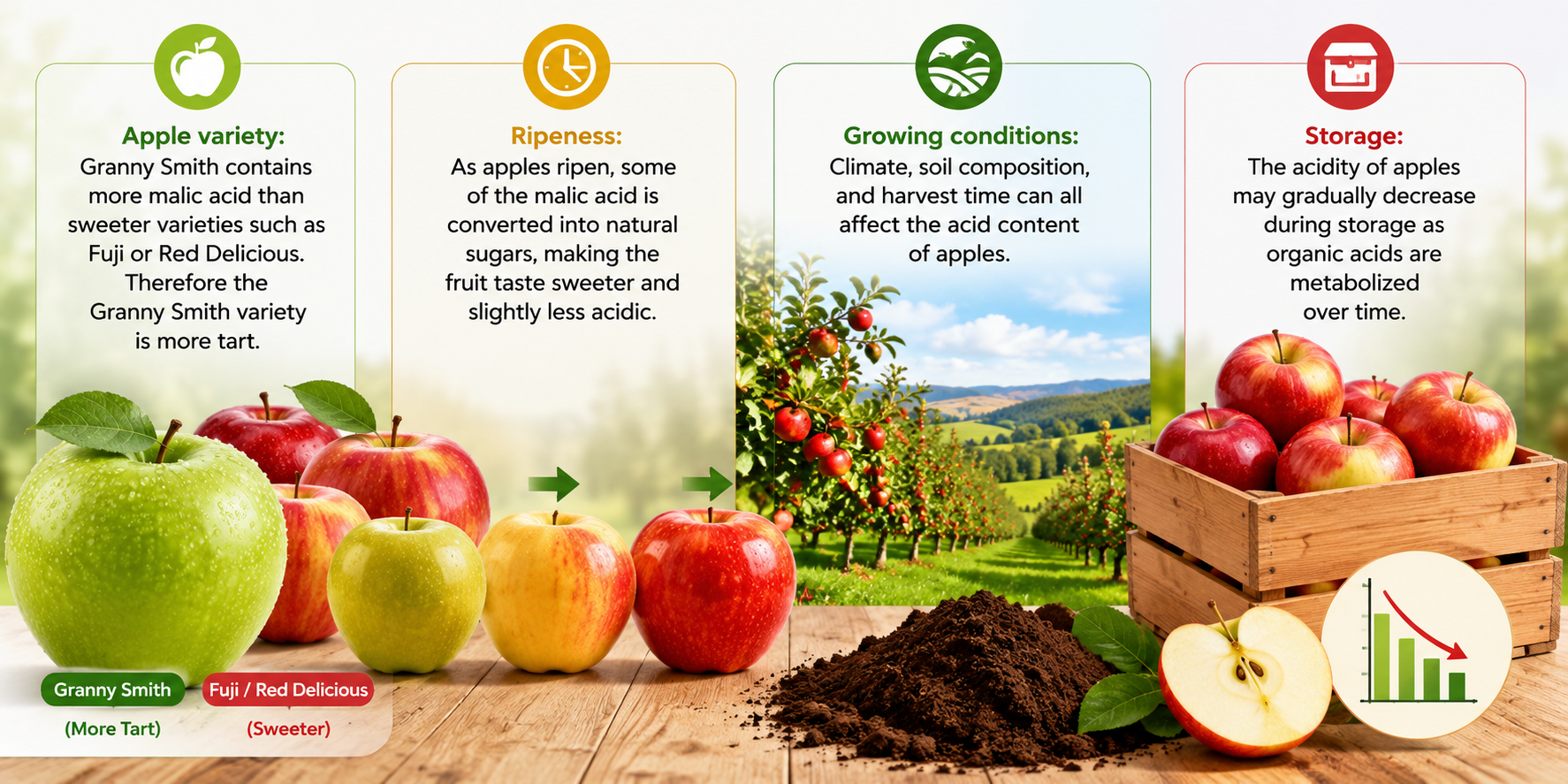
Are green apples more acidic than red apples?
Yes. Green apples like Granny Smith consistently test at the lower (more acidic) end of the pH scale because they contain higher concentrations of malic acid and lower sugar content, which is also why they taste tart rather than sweet.
Health Benefits of Apples
Apples are known to be excellent sources of dietary fiber, vitamin C, potassium, and antioxidants, they support overall health while being naturally low in calories and fat. Regular consumption of whole apples has been linked to improvements in heart health, digestion, blood sugar regulation, and weight management. Let's now discuss the benefits of consuming apples:
1. Supports digestion and digestive health
A medium-sized apple can provide you with 4–5 grams of dietary fiber. Apples are rich in Pectin which is a soluble fiber that nourishes gut bacteria, supports a healthy gut microbiome, promotes regular bowel movements, and may help prevent constipation.
2. Essential for heart health
Apples are rich in soluble fiber and polyphenol antioxidants. It might help to lower bad cholesterol, reduce inflammation, and support healthy blood pressure.
3. Rich in Antioxidants
Apples are an excellent source of plant compounds such as quercetin, catechin, and chlorogenic acid. These antioxidants help combat oxidative stress, protect cells from free radical damage, and may reduce the risk of chronic conditions such as heart disease and certain cancers.
4. Helps to regulate blood sugar levels
Despite containing natural sugars, whole apples have a relatively low glycemic index due to their fiber content. Fiber slows the absorption of sugar into the bloodstream, helping to prevent rapid spikes in blood glucose levels and supporting better blood sugar control.
5. Helps in Weight Management
The combination of fiber and high water content makes apples filling.Including apples as part of a balanced diet may reduce overall calorie intake, maintain satiety for longer periods and support healthy weight management.
6. Supports Immune function
Apples are a source of vitamin C which supports immune function, collagen production, and wound healing.
7. Might improve oral health
Chewing a whole apple stimulates saliva production, which helps neutralize acids, wash away food particles, and reduce bacterial buildup in the mouth. While apples do not replace brushing and flossing, they can contribute to a healthier oral environment.
Potential Drawbacks of Apples
Despite a highly nutritious profile apples might not be suitable for consumption in every situation. Their natural acidity, sugar content, and certain carbohydrates may cause problems for some individuals, particularly when consumed in excess or in processed forms such as apple juice.
1. Can temporarily soften tooth enamel making it prone to erosion
Apples contain malic acid, which temporarily lowers the pH in the mouth after eating. Frequent exposure to acidic foods can soften tooth enamel, making it more susceptible to erosion.
2. May cause digestive discomfort
Apples contain fructose and sorbitol, which are classified as FODMAPs. People with irritable bowel syndrome (IBS) or fructose intolerance may experience bloating, gas, abdominal cramps, or diarrhea after eating apples, particularly in large amounts.
3. Processed form of apples like apple juices are less healthy
Apple juice contains little or no fiber and exposes teeth to concentrated natural sugars and acids. Frequent consumption, especially by sipping throughout the day, can increase the risk of tooth decay and enamel erosion while providing less satiety.
4. May trigger Acid Reflux in some people
Highly acidic varieties of apples such as Granny Smith may worsen symptoms in few people with gastroesophageal reflux disease (GERD). Choosing sweeter varieties like Fuji or Gala, which have lower maleic acid content may be better tolerated.
5. Allergic reactions may be seen in rare cases
Some people experience oral allergy syndrome, a condition in which eating raw apples causes itching or swelling of the lips, mouth, throat, or tongue due to cross-reactivity with certain pollen allergies.
6. Moderation is key for benefits
For most healthy individuals, the nutritional benefits of whole apples far outweigh their potential risks. Eating apples in moderation, choosing whole fruit over juice, rinsing your mouth with water after eating, and maintaining good oral hygiene can help you enjoy their health benefits while minimizing any adverse effects.
How Do Apples Affect Your Teeth?
Apples are often praised as a healthy and nutritious snack but they affect the teeth through dental erosion (a chemical process) and dental decay (a bacterial process). Understanding the difference helps explain why apples are both beneficial and potentially harmful for oral health.
Dental erosion (Chemical wear caused by acid)
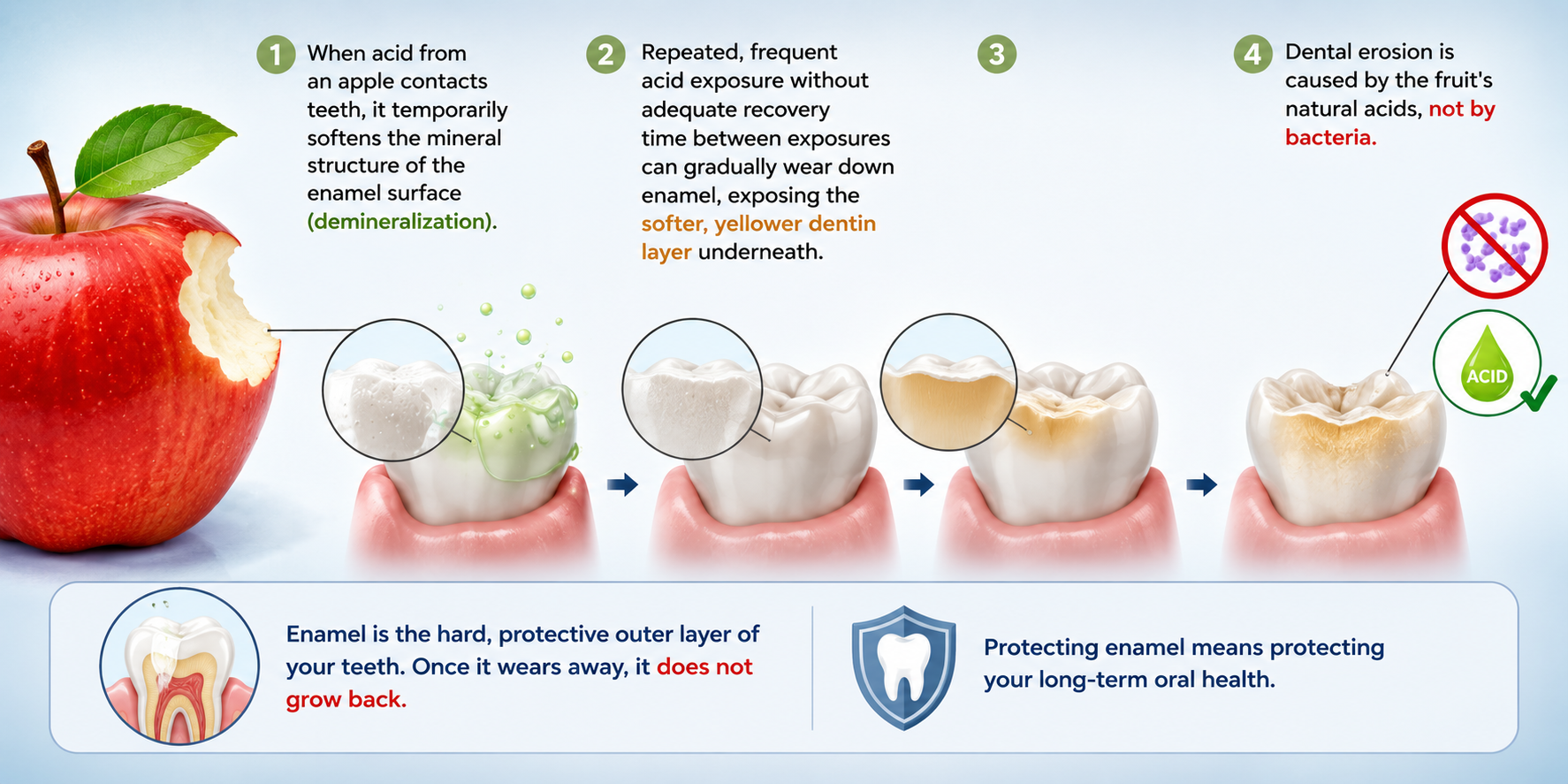
Dental decay (Dental caries caused by bacteria)
- Natural sugars in apples (mostly fructose) feed the bacteria that live in dental plaque.
- These bacteria metabolize sugar and excrete their own acid as a byproduct, which is the classic mechanism behind cavities.
- Thus the damage from apples is through both: fermentable sugars and acid naturally present.
Why does dentin hypersensitivity happen after eating apples?
At times you might experience a sharp pain in teeth after consuming a slice of apple this is commonly known as dentinal hypersensitivity. Apples are not directly responsible for it. Rather it is caused by dentin exposure due to enamel loss from teeth.
Tooth enamel might be lost due to reasons like:
- Acid erosion
- Aggressive brushing
- Teeth grinding
- Gum recession
- Natural aging
This can expose the underlying dentin. The acidity or cold temperature of an apple can then stimulate these microscopic tubules within dentin, producing a sudden, sharp sensation.
This explains why some people enjoy apples without any discomfort while others experience sensitivity.
Why does timing matter during eating apples?
Saliva contains calcium and phosphate ions that continuously work to remineralize enamel after acid exposure, gradually restoring its mineral strength.
Right after eating something acidic, enamel is in a temporarily softened state. That is why brushing immediately after eating an apple or anything is not suggested. Brushing softened enamel can physically abrade it away rather than protect it. Doing more harm than benefit.
Dentist usually recommend:
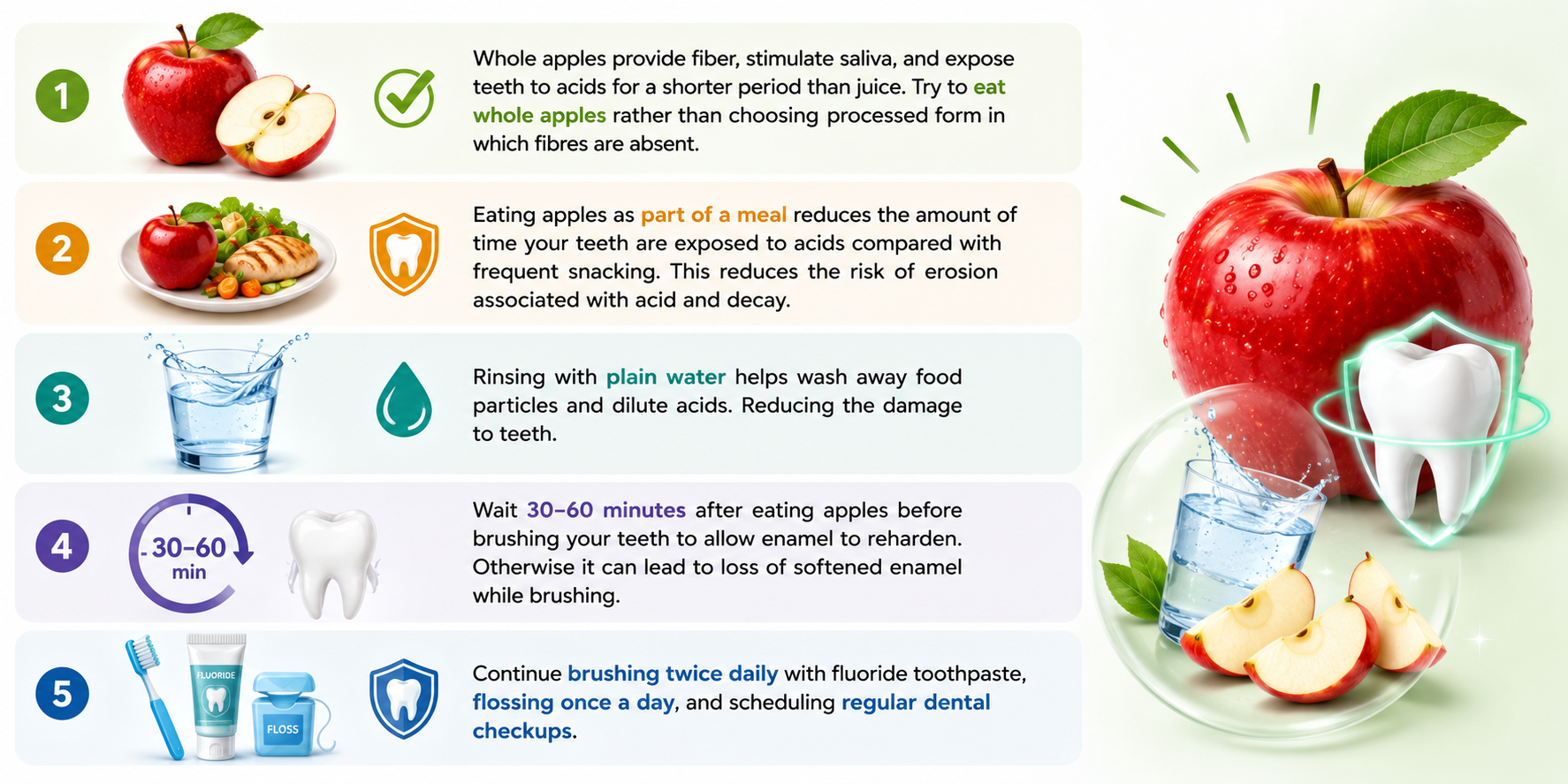
- Wait 30–60 minutes before brushing after eating an apple.
- Rinse with plain water immediately after eating to help clear residual sugar and acid and speed neutralization.
- Chew sugar-free gum afterward to stimulate extra saliva flow, which accelerates remineralization.
The Benefits of Apples for Oral Health
Eating a whole apple provides several advantages for your mouth.Apples are highly nutritious fruits but when it comes to oral health and teeth they should be eaten mindfully.
1. Stimulate Saliva Production
Chewing an apple stimulates salivary glands to produce more saliva. Saliva provides natural defenses because to oral cavity it:
- Neutralizes harmful acids maintaining pH of the mouth
- Washes away accumulated food debris
- Reduces bacterial buildup (as it contains Immunoglobulins and enzymes)
- Supplies calcium and phosphate that help remineralize enamel
A healthy flow of saliva lowers the risk of cavities and helps restore the mouth's natural pH after eating acidic foods.
2. Help Remove Surface Debris
The crisp and rough texture of apples creates a mild mechanical cleaning action. As you chew, the fruit can help remove some food particles and soft plaque which has accumulated and stuck surfaces of your teeth. However it does not mean that apples replace brushing, flossing, or professional dental cleanings.
3. Provide Nutrients That Support Oral Health
Apples are rich in several nutrients that contribute to healthy teeth and gums, including:
| Nutrient | Benefit for Teeth and Gums |
|---|---|
| Vitamin C | Supports collagen production and helps maintain healthy gums. |
| Potassium | Helps maintain the body's overall mineral balance. |
| Polyphenols | May help reduce inflammation and inhibit harmful oral bacteria. |
| Water | Helps rinse away food particles and dilute acids in the mouth. |
| Fiber | Encourages chewing, which stimulates saliva production and supports oral health. |
Best Tips to Eat Apples Without Damaging Your Teeth
Correct timing and form of apple can help you maintain the health of your teeth and at the same time help you extract benefits from it. A few simple habits can significantly reduce the risk of acid-related tooth wear.
How Do Apples Affect Digestion?
Apples are widely regarded as one of the best fruits for digestive health. Not only are they beneficial to relieve constipation but they also nourish useful gut bacteria, support bowel regularity, and contribute to overall gastrointestinal function. These unique properties in apple are due to two factors:
- Dietary fiber
- Pectin, a type of soluble fiber unique to apples.
Apples Are Rich in Dietary Fiber
A medium-sized apple provides approximately 4–5 grams of dietary fiber, making it one of the richest fruits for fiber intake.
Fiber plays several important roles:
- Adds bulk to stool
- Promotes regular bowel movements
- Helps prevent constipation
- Slows digestion, supporting steady blood sugar levels
- Increases feelings of fullness
Pectin: soluble dietary fibres
Pectin, a soluble dietary fibre rich in apples, acts as a prebiotic, meaning it feeds beneficial bacteria living in your intestines. As gut bacteria ferment pectin, they produce short-chain fatty acids (SCFAs) such as butyrate. These compounds help:
- Strengthen the intestinal lining
- Reduce inflammation
- Support immune function
- Promote a healthy gut microbiome
- Improve overall digestive health
A diverse gut microbiome has also been associated with improved metabolic health and better digestive function.
Do Apples Help Relieve Constipation?
Apples may help to relieve constipation in several people. This is attributed to the combination of soluble and insoluble fiber that helps move waste through the digestive tract while also softening stool by absorbing water. To extract maximum benefit from apples for constipation:
- Eat the skin.
- Stay well hydrated.
- Increase fiber intake gradually to avoid bloating.
Can Apples Cause Gas or Bloating?
Sometimes consuming apples may lead to the problem of gas and bloating. This is attributed to the presence of fructose and sorbitol, both of which can be difficult for some people to digest. This problem is linked to the inability to tolerate and digest substances such as fructose. This problem is commonly seen in people with Irritable bowel syndrome (IBS) or sensitivity to FODMAPs (Fermentable Oligosaccharides, Disaccharides, Monosaccharides, and Polyols), apples may lead to:
- Gas
- Abdominal bloating
- Stomach discomfort
- Increased bowel movements
Do Apples Help or Worsen Acid Reflux (GERD)?
Gastroesophageal reflux disease (GERD) is a chronic digestive condition in which stomach acid or stomach contents repeatedly flow back (reflux) into the esophagus (the tube that carries food from the mouth to the stomach). This backflow irritates the lining of the esophagus, leading to symptoms such as heartburn and acid regurgitation.
Apples are moderately acidic, but their high fiber and water content may make them well tolerated by many people. Individual responses vary, and the type of apple, portion size, and timing of consumption can all influence symptoms.
Apples may help few people with GERD (Gastro Esophageal Reflux Disease)as they :
- Are low in fat, which helps the stomach empty more efficiently.
- Contain fiber that supports healthy digestion.
- Promote satiety, potentially reducing overeating
- Provide antioxidants that support overall health.
Apples may trigger symptoms :
- Eat large quantities in one sitting.
- Choose highly tart varieties like Granny Smith.
- Eat apples immediately before lying down.
- Have severe or uncontrolled GERD.
- Consume apples along with other acidic foods.
Tips for Eating Apples If You Have GERD
- Choose sweeter apple varieties such as Fuji, Gala, or Red Delicious.
- Eat apples with or after a meal rather than on an empty stomach.
- Avoid eating large amounts in one sitting.
- Do not lie down for at least 2–3 hours after eating.
- If raw apples trigger symptoms, try peeled, baked, or stewed apples, which some people find easier to digest.
- Keep a food diary to identify your personal triggers, as GERD symptoms vary from person to person.
Are Apples Good for People with IBS?
Irritable bowel syndrome (IBS) is a common, long-term disorder that affects the large intestine (colon). In this condition the digestive tract appears structurally normal but doesn't functionnormally . IBS can cause recurring abdominal discomfort and changes in bowel habits.
Apples contain fructose and sorbitol, both of which are classified as FODMAPs. These carbohydrates are poorly absorbed by some people and can ferment in the gut, leading to digestive symptoms.
People with IBS may experience:
- Bloating
- Gas
- Abdominal cramps
- Diarrhea
- Increased bowel movements
However, not everyone with IBS reacts the same way. Some individuals can tolerate small portions of apples without difficulty.
Tips for People with IBS
- Start with a small serving of apples first.
- Keep a food diary to identify personal triggers.
- Peel the apple if the skin causes discomfort.
- Avoid eating multiple high-FODMAP foods together.
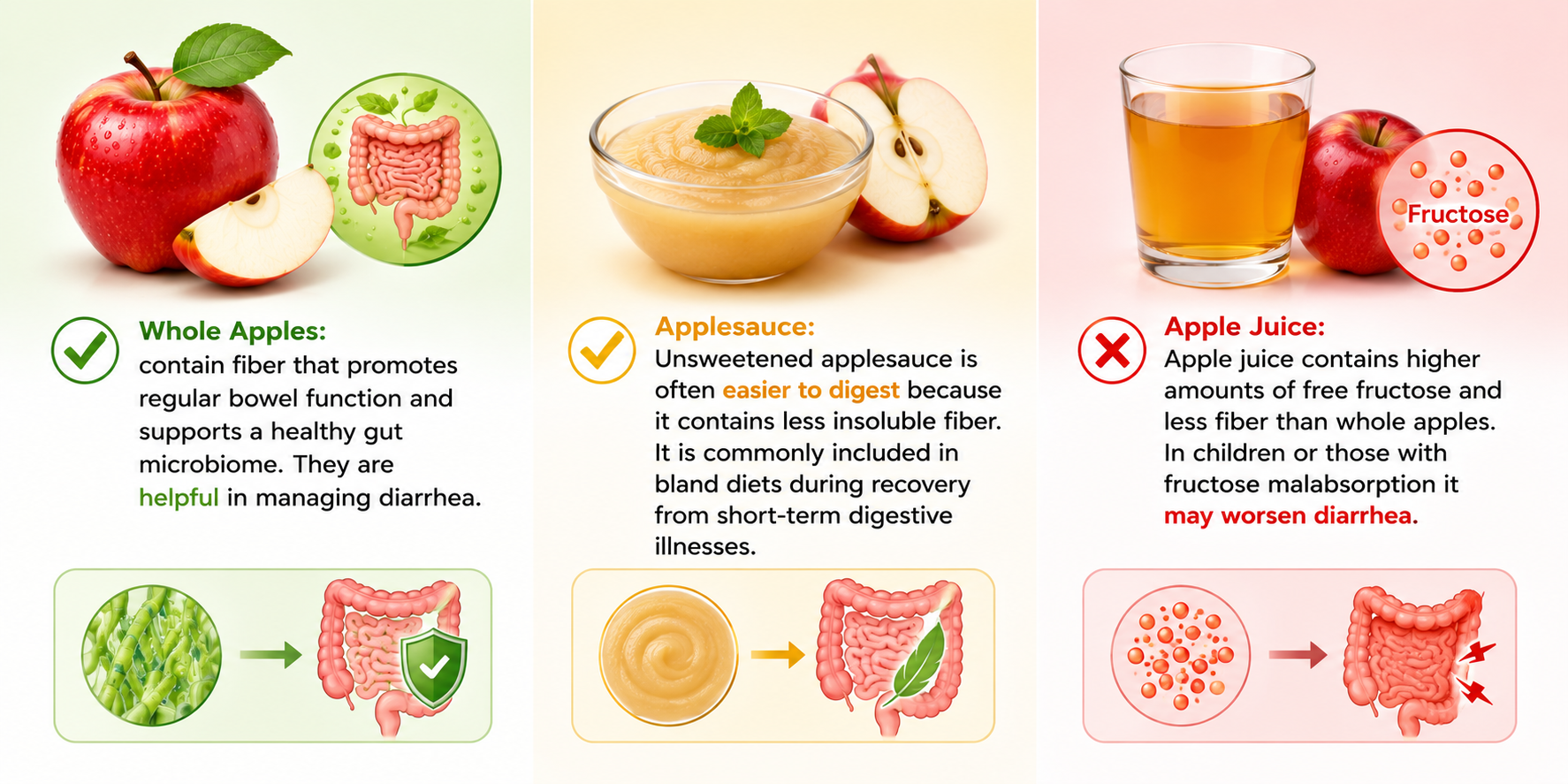
Apples in Diarrhea: Helpful or Harmful?
Apples can have different effects depending on the form in which they are consumed.
Best Tips to Enjoy Apples for Better Digestion
- Eat apples with the skin as it increases the fibre content
- Drink enough water throughout the day.
- Increase fiber intake gradually.
- Pair apples with protein or healthy fats (such as nuts or yogurt) for longer-lasting fullness.
- Limit apple juice and sweetened apple products.
Who Should Be Cautious About Eating Apples?
Although apples are safe for most people, some individuals may need to limit or modify their intake. People who should be cautious while consuming apples are:
- Severe acid reflux
- Significant enamel erosion
- Frequent mouth ulcers
- Dry mouth (xerostomia)
- Fructose intolerance
- Sorbitol intolerance
- IBS triggered by high-FODMAP foods
- Apple allergy (including oral allergy syndrome)
If apples consistently cause pain, digestive symptoms, or allergic reactions, seek advice from a healthcare professional.
Key Takeaway’s
- Apples are moderately acidic, with a pH of approximately 3.3–4.0, primarily due to their natural malic acid content.
- Whole apples support oral health by stimulating saliva, which helps neutralize acids and protect tooth enamel.
- Frequent exposure to acidic foods, especially apple juice, can contribute to enamel erosion if proper oral hygiene is neglected.
- Apples are an excellent source of fiber and pectin, promoting healthy digestion, regular bowel movements, and a diverse gut microbiome.
- People with GERD, IBS, or significant enamel erosion may benefit from choosing sweeter apple varieties and monitoring their individual tolerance.
- Enjoying whole apples as part of a balanced diet, drinking water afterward, and waiting 30–60 minutes before brushing are simple habits that help protect both your teeth and digestive health.

Healthy habits go beyond food, discover the best low-calorie alcohol options for mindful drinking.
FAQ’s
Which apple is the least acidic?
Sweeter varieties such as Red Delicious, Fuji, and Gala are generally less acidic (lower maleic acid content) than tart varieties like Granny Smith.
Can eating apples cause cavities?
Whole apples are not a major cause of cavities when consumed as part of a balanced diet. The risk increases with frequent snacking, poor oral hygiene, and prolonged exposure to sugary or acidic foods.
Should I brush my teeth immediately after eating an apple?
No. Wait about 30–60 minutes before brushing to allow saliva to remineralize enamel. Rinsing your mouth with water immediately after eating is a good alternative.
Is apple juice bad for teeth?
Apple juice can increase the risk of enamel erosion because it contains concentrated natural sugars and acids without the protective fiber found in whole apples. Drinking it with meals and avoiding prolonged sipping can reduce this risk.
Are dried apples more acidic than fresh apples?
Dried apples have less water and a higher concentration of natural sugars, making them more likely to stick to teeth. While their acidity may not increase substantially, the prolonged sugar exposure can raise the risk of tooth decay if good oral hygiene is not maintained.
Refrence's
- American Dental Association. Oral Health Topics: Tooth Erosion.
- National Institute of Dental and Craniofacial Research. Tooth Decay.
- Academy of Nutrition and Dietetics. Dietary Fiber and Digestive Health.
- National Institute of Diabetes and Digestive and Kidney Diseases (NIDDK). GERD and Acid Reflux.
- World Health Organization. Healthy Diet Guidelines.


Member discussion