


Can alcohol really be trusted for weight loss?
Alcohol can become source of calories if drank carelessly, especially for those trying to maintain or lose weight. While occasional drinking is common in social settings, understanding how alcohol with minimum calories intake can help prevent unintended diet setbacks.
Key considerations include:
- Alcohol provides calories without essential nutrients
- Sugary mixers significantly increase total energy intake
- Some drinks are far more calorie-dense than others
Why Alcohol Can Interfere With Weight Goals
Alcohol affects fat loss and metabolism in many ways:
1. High Caloric Density
Alcohol has 7 calories per gram, second only to fat (9 calories per gram).
2. Temporary Fat-Burning Pause
When you drink, your body prioritizes metabolizing alcohol over burning fat.
3. Appetite Stimulation
Alcohol often increases hunger and lowers food-related self-control.
4. Hidden Add-ons
Sugary mixers, syrups, and cream helps in increasing total calories.
Where Do Alcohol Calories Come From?
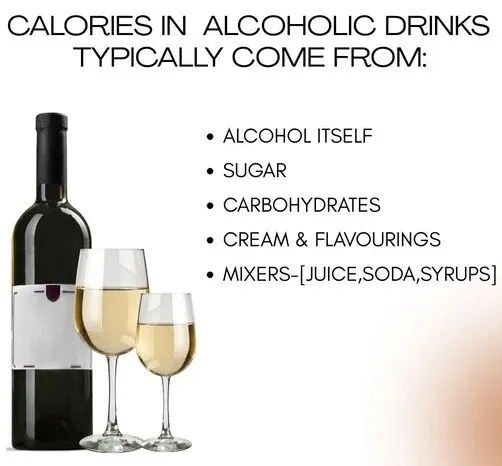
The sweeter and more complex the drink, the higher the calorie count.
Alcohol with minimum calories Options
Vodka
It has 65-70 calories per 30 ml which is equal to 1 shot. Make sure you don’t add mixers in it. Vodka has less calories because it does not have sugar, and carbohydrates.
Better pairing: Vodka with soda water and citrus
Gin
It has 70 calories per shot which is similar to vodka but it has botanical flavor.
Better pairing: Gin with soda water
Tequila
It has 65-70 calories per shot. Tequila has naturally low sugar and is often drunk as it is or lightly mixed with water or other mixers.
Better pairing: Tequila with soda and lime
Dry Wine
There are two types of dry wine, dry white wine and dry red wine. Each one of them has different calories per glass. Dry white wine has 120 calories per glass whereas dry red wine has 125 calories per glass. It has lower sugar content compared to sweet or dessert wines.
Light Beer
It has 90-110 calories per bottle and it has low carbohydrates and alcohol content compared to regular beer.
Less ideal choices: Craft beers, strong beers
Higher-Calorie Drinks to Limit
As we have discussed about alcohol with minimum calories, now let’s take a look towards high calorie drinks as well. So, that next time when you see them, you drink in limit and it will become easy for you to spot the high calorie drink and avoid it. Beverages and mixers to limit and avoid are:
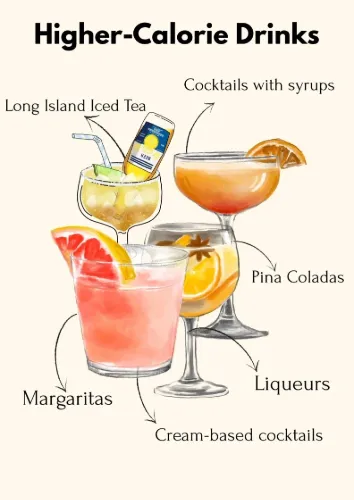
These combine alcohol with significant sugar, creating a high-calorie load.
Smart Drinking Strategies
Choose Clear Spirits
Vodka, gin, and tequila typically contain fewer calories than sugary or creamy options. So you can select Low- or Zero-Calorie Mixers with them and better choices:
- Soda water
- Diet tonic
- Plain water with citrus
Less ideal:
- Fruit juices
- Regular sodas
- Energy drinks
Watch Portion Sizes
Larger pours equal more calories, even with low-calorie alcohol.
Drink Slowly
Drinking slowly makes intake of alcohol low and helps maintain better food decisions.
Avoid Alcohol-Driven Snacking
Late-night high-calorie food often offsets any careful drink selection.
Best Choices for Calorie Control
If minimizing dietary impact:
1. Vodka with soda water
2. Tequila with soda and lime
3. Gin with diet tonic
4. Dry wine
Final Thoughts
Alcohol doesn’t automatically mess your diet but choices matter. By selecting alcohol with minimum calories, limiting sugary mixers, and practicing moderation, you can balance social enjoyment with health and fitness goals.
Frequently Asked Questions
Best alcoholic drinks when on a diet?
Clear spirits such as vodka, gin, and tequila per serving have the lowest calories.
Alcohol with minimum calories for weight loss?
For weight loss, the lowest-calorie option is a single shot of clear spirits like vodka, gin, or tequila mixed with zero-calorie soda or water.
Low calorie alcoholic drinks in a can?
Look for canned options like hard seltzer (e.g., White Claw or Truly), which typically have around 90-100 calories per can.
4. Are cocktails always high in calories?
Not necessarily, but sugar-heavy ingredients significantly increase calorie content.


Member discussion