


Glutathione is often called the super antioxidant for its magical benefits. It helps in protecting your body from damage, supporting immunity, and maintaining overall health.
Glutathione is naturally produced in the body, and is made from three amino acids which are glutamine, cysteine, and glycine. While your body can produce it on its own, factors like
- Aging
- Stress
- Poor diet
- Pollution
- Chronic illness
- Alcohol use
These factors can reduce its levels. In such cases, diet and supplements may help support healthy levels. Let’s know 10 powerful glutathione benefits you should know about.
Benefits of Glutathione that you should Know
As glutathione is super antioxidant and apart from it's popularity for skin brightening benefits, it also have some other benefits that only few people know.
1. Powerful Antioxidant Protection
Glutathione’s is a powerful antioxidant which helps in neutralising free radicals that damage cells through oxidative stress. Oxidative stress is linked to aging and chronic diseases. Glutathione benefits the body as it protects cells by:
- Directly neutralizing reactive oxygen species (ROS)
- Supporting the body’s antioxidant defense system
- Preventing cellular damage
It also has the unique ability to regenerate other antioxidants like vitamin C and vitamin E, promoting your overall antioxidant shield.
2. Supports Natural Detoxification
Glutathione is also known for its detox nature and good for liver detoxification. It flushes out the toxins, heavy metals, and harmful chemicals from the body.
Low glutathione levels have been associated with:
- Increased toxin buildup
- Higher risk of liver stress
- Fatty liver conditions
Supporting glutathione levels helps your liver function efficiently and keeps your internal detox system strong.
3. Boosts Immune System Function
As glutathione is a powerful antioxidant, it helps in keeping the immune system of the body protected. It helps to:
- Enhance white blood cell activity
- Protects immune cells from oxidative damage
- Helps regulate immune responses
Research suggests that glutathione deficiency may weaken immune defense.
4. Promotes Healthy, Glowing Skin
Glutathione is famous on the internet world for its skin-brightening effects. While it does not permanently whiten skin, research suggests it may:
- Reduce melanin production
- Help lighten dark spots
- Promote more even skin tone
- Reduce oxidative skin damage
It also works as an anti-aging antioxidant by reducing fine lines and protecting collagen from damage.
Glutathione injection benefits for skin lightening is controversial and should only be used under medical supervision.
5. Supports Hair Health
Glutathione benefit hair by maintaining healthy scalp environment by:
- Reducing oxidative stress in hair follicles
- Supporting blood circulation
- Fighting inflammation
Some studies suggest oxidative stress can make hair fall and premature greying. Since glutathione supports melanin production, it may help maintain natural hair color, though more research is needed.
6. Protects Brain Health
Glutathione plays a neuroprotective role by protecting brain cells from oxidative stress.
Low glutathione levels have been observed in conditions such as:
- Alzheimer’s disease
- Parkinson’s disease
While glutathione supplements benefits is still being studied, maintaining adequate levels may help protect nerve cells and support brain health.
7. Supports Heart Health
Oxidative stress and inflammation contribute to heart disease. Glutathione helps:
- Protect blood vessels
- Reduce oxidative damage
- Support healthy circulation
When combined with a healthy lifestyle, glutathione may contribute to better cardiovascular health.
8. May Help in Fatty Liver Disease
Research suggests that low glutathione levels are linked with non-alcoholic fatty liver disease (NAFLD). Supplementation has shown potential benefits in reducing liver stress and improving enzyme levels in some studies.
However, it should be used as part of a comprehensive treatment plan under medical guidance.
9. Reduces Muscle Fatigue & Supports Recovery
Intense exercise increases oxidative stress in muscles. Glutathione may:
- Reduce muscle soreness
- Improve recovery
- Decrease exercise-induced oxidative damage
Athletes sometimes use it to support endurance and recovery.
10. May Help Regulate Autoimmune Responses
Glutathione helps maintain a balanced immune response. Some research suggests it may support immune regulation in autoimmune conditions by reducing excessive inflammation and oxidative stress.
More clinical studies are still needed in this area.
What Does Research Say?
According to the National Institutes of Health (NIH) and studies reported in the National Library of Medicine:
- Glutathione plays a crucial role in cellular response to oxidative stress.
- It is present in plants, animals, and human cells.
- Its levels can act as a marker of disease progression.
- When endogenous (internally produced) levels decline, exogenous sources (diet or supplements) may help replenish them.
However, scientists are still studying how effectively oral supplements increase intracellular glutathione levels.
Natural Food Sources of Glutathione
The food that have glutathione to help your body to produce it are:
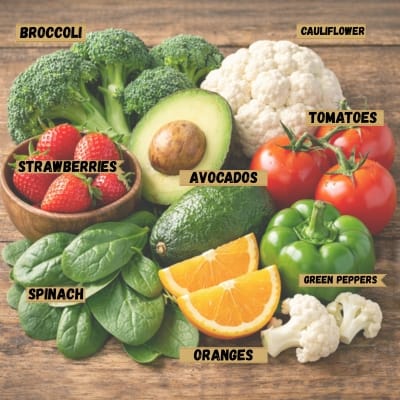
Sulfur-rich foods (like cauliflower) help stimulate the body’s natural glutathione production.
Why Do Glutathione Levels Drop?
Glutathione levels may decrease due to:
- Aging
- Chronic stress
- Poor protein intake
- Pollution & smoking
- Alcohol use
- Chronic diseases
- Poor nutrition
When these factors make the production of glutathione low, doctors may recommend dietary changes or supplements.
Should You Take Glutathione Supplements?
Glutathione supplements are available in:
- Capsules
- Tablets
- IV injections
- Creams and skincare products
However:
- Oral absorption varies.
- IV use should be medically supervised.
- Long-term safety for cosmetic use needs more evidence.
Always consult a healthcare professional before starting supplementation.
Final Thoughts
Glutathione is true to its word as being an antioxidant. From detoxification and immune support to skin health and brain protection, it really proves it worth.
While supplements can help in some cases, the best strategy is to eat antioxidant-rich foods, maintain a protein-rich diet, manage stress, avoid smoking & excessive alcohol and stay physically active.
Supporting your body’s natural glutathione production is the safest and most sustainable approach to long-term health.
Frequently Asked Questions (FAQs)
Glutathione benefits for women?
It benefits the women by reducing oxidative stress, lightening and brightening skin tone, and supporting liver detoxification.
What to avoid when taking glutathione?
Avoid alcohol, smoking, excessive caffeine, and processed foods, as these deplete natural levels and hinder absorption.
What happens when you stop taking glutathione?
It causes a gradual return to your body's natural baseline, often leading to a fade in skin brightening effects, reduced antioxidant protection, and potential resurfacing of previous issues like hyperpigmentation.
Glutathione side effects?
Glutathione is generally safe when taken orally in moderation, but high-dose injections or long-term supplementation can cause significant side effects. Common reactions include nausea, abdominal cramps, bloating, diarrhea, and fatigue.
References
1. The Journal of nutrition by Wu G, Fang YZ, Yang S, Lupton JR, Turner ND. (Glutathione metabolism and its implications for health)
2. Forman HJ, Zhang H, Rinna A. (Glutathione benefits: Overview of its protective roles, measurement, and biosynthesis)
3. National Institutes of Health (NIH) - National Library of Medicine (Glutathione for Food and Health)


Member discussion