


Pumpkin seeds are tiny but have a lot of packed good things in them. These tiny pumpkin seeds are one of the most nutrient-dense snacks you can add to your diet. Packed with protein, healthy fats, fiber, magnesium, zinc, and antioxidants, this small snack delivers surprisingly big health results. Just a small handful (about 28 grams) provides important nutrients that support heart health, immunity, sleep, and more. Let’s understand why pumpkin seeds deserve a regular place in your diet.
Nutritional Value
| Nutrient | Approximate Amount | Health Role |
|---|---|---|
| Calories | 160 kcal | Energy source |
| Protein | 7–8 g | Muscle repair & satiety |
| Healthy Fats | 13–14 g | Heart health support |
| Fiber | 1.7 g | Digestive support |
| Magnesium | 150 mg | Nerve & muscle function |
| Zinc | 2.2 mg | Immunity support |
| Iron | 2.5 mg | Oxygen transport |
| Antioxidants | High | Reduces oxidative stress |
10 Powerful Benefits of Pumpkin Seeds
1. Rich in Antioxidants
Pumpkin seeds contain antioxidants like vitamin E and carotenoids, which help reduce inflammation and protect cells from damage caused by free radicals.
2. Support Heart Health
They are rich in magnesium, healthy fats, and antioxidants that may:
- Help regulate blood pressure
- Improve cholesterol balance
- Reduce inflammation
Magnesium deficiency is linked to heart disease risk, and pumpkin seeds are one of the best natural sources.
3. Boost Immunity
High zinc content supports:
- Strong immune response
- Faster wound healing
- Reduced risk of infections
Zinc deficiency can weaken immunity, making these seeds a great preventive snack.
4. Improve Sleep Quality
Pumpkin seeds contain:
- Tryptophan (an amino acid that helps produce serotonin and melatonin)
- Magnesium (supports relaxation)
Eating a small portion in the evening may support better sleep cycles.
5. Support Prostate & Bladder Health
Studies suggest pumpkin seed extracts may benefit men with benign prostatic hyperplasia (BPH) and support bladder function.
6. Help Manage Blood Sugar
Their combination of fiber, healthy fats, and magnesium may help stabilize blood sugar levels, making them a smart snack for people monitoring glucose.
7. Promote Digestive Health
The fiber content supports:
- Healthy bowel movements
- Gut microbiome balance
- Reduced constipation
8. Good for Skin & Hair
Zinc, iron, and antioxidants contribute to:
- Stronger hair
- Reduced hair fall
- Healthier skin barrier
9. Helps in Weight Management
High protein and healthy fats increase the feeling of fullness, helping you feel full longer and reducing unhealthy snacking.
10. May Reduce Inflammation
Plant compounds and antioxidants in pumpkin seeds may help reduce chronic inflammation linked to many diseases.
How to Include Pumpkin Seeds in Your Diet
You can add Pumpkin seeds to your diet as:
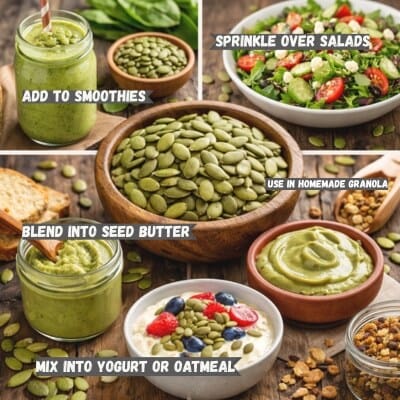
Recommended portion: 1-2 tablespoons per day.
Frequently Asked Questions (FAQs)
Can I eat pumpkin seeds daily?
Yes, but in limits like 1 to 2 tablespoons daily as part of a balanced diet.
Are pumpkin seeds good for weight loss?
Yes. Their protein and healthy fats increase fullness and may reduce overeating.
Do pumpkin seeds help with hair growth?
They contain zinc and iron, which support scalp health. Some research suggests pumpkin seed oil may help in certain types of hair loss.
Are roasted pumpkin seeds healthy?
Yes, but avoid heavily salted or oil-fried versions. Dry roasting is best.
References
1. USDA FoodData Central(Seeds, pumpkin and squash seed kernels, dried)
2. Journal of Medicinal Food by Gossell-Williams M et al.(The effects of pumpkin seed oil on symptoms of benign prostatic hyperplasia)
3. National Institutes of Health (NIH) (Magnesium Fact Sheet for Health Professionals)
4. National Institutes of Health (NIH) (Zinc Fact Sheet for Health Professionals)


Member discussion