


If you are also the one who worries a lot about small things then you should read this once. Finding a small growth on your skin can be unsettling. If you’ve noticed a soft, hanging bump and wondered, “Could this be cancer?” Don’t worry you’re not alone. The good news is that skin tags are almost always harmless. But there are rare situations where a growth that looks like a skin tag may need closer evaluation. Knowing the difference can help you stay informed without unnecessary worry.
What Are Skin Tags?
Skin tags which are medically called (acrochordons)are small, soft, noncancerous growths that commonly appear in areas where skin rubs against skin or clothing.
They often develop:
- On the neck
- Under the arms
- In the groin
- Under the breasts
- On the eyelids
They’re typically:
- Flesh-colored or slightly darker
- Soft and movable
- Attached by a thin stalk
- Painless
According to the American Academy of Dermatology, skin tags are very common, especially in adults.So, there is no room left for questions like "can skin tags be cancerous?"
Are Skin Tags Cancerous?
Not really. True skin tags are not cancerous. They are benign (noncancerous) growths and do not turn into skin cancer. However, sometimes a different type of skin lesion may resemble a skin tag in its early stages. That’s where paying attention to warning signs becomes important.
When to Be Concerned: Warning Signs Not to Ignore
While most skin tags are harmless, you should have a growth evaluated by a healthcare provider if you notice:
1. Rapid Growth
If a bump grows quickly over weeks instead of staying stable over time, it should be checked.
2. Irregular Shape
Skin tags are usually smooth and uniform. Uneven, jagged, or asymmetrical edges may need evaluation.
3. Unusual Color Changes
A typical skin tag is flesh-colored or slightly darker. Seek medical advice if it becomes:
- Black
- Deep red
- Purple
- Variegated (multiple colors)
4. Bleeding Without Injury
Skin tags may bleed if twisted or irritated, but spontaneous bleeding without trauma is a red flag.
5. Persistent Pain
Skin tags are usually painless. Ongoing pain without irritation should be evaluated.
6. Ulceration or Crusting
Open sores, scabbing, or areas that do not heal may indicate a different condition.
What Could It Be Instead?
Some skin cancers or precancerous growths can resemble a skin tag in early stages, including:
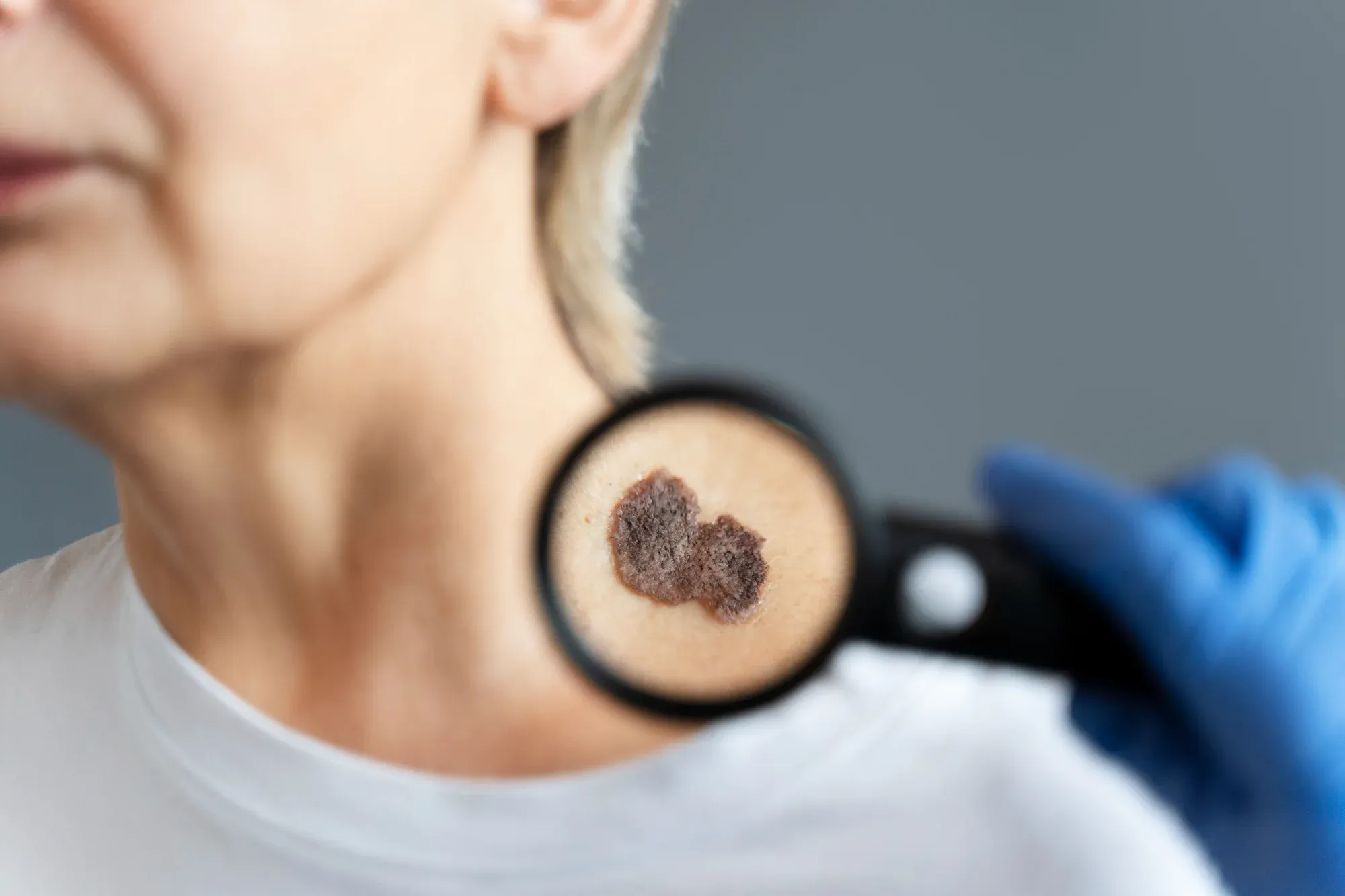
The Skin Cancer Foundation emphasizes that any new, changing, or unusual skin lesion should be assessed by a medical professional.
It’s important to remember that these cancers are much less common than ordinary skin tags, but early detection is key if something unusual is present.
Why Do Skin Tags Form?
Skin tags are linked to:
- Friction (skin rubbing against skin)
- Aging
- Obesity
- Insulin resistance
- Pregnancy (due to hormonal changes)
They are not caused by poor hygiene or cancer.
Should You Remove a Skin Tag at Home?
It’s not recommended to remove skin tags yourself, especially in sensitive areas like the groin or eyelids. Home removal methods can cause:
- Infection
- Bleeding
- Scarring
- Incorrect treatment of a misdiagnosed lesion
A healthcare provider can remove a skin tag safely using simple, quick procedures such as snipping, freezing, or cauterization.
You can also read Skin Tag Removal: Medical Treatments vs Home Remedies What Works Best? to explore the safest ways to remove skin tags and understand which methods are medically recommended versus home-based options.
When to See a Doctor
See a doctor if:
- You’re unsure whether it’s a skin tag
- The growth changes in size, color, or shape
- It bleeds without injury
- It becomes painful
- It looks different from your other skin tags
A quick examination can provide reassurance and, if needed, early treatment.
The Bottom Line
Skin tags are almost always harmless and noncancerous. They do not turn into skin cancer. However, any skin growth that changes, bleeds, grows rapidly, or looks unusual should never be ignored. When it comes to skin health, it’s always better to check and be reassured than to wait and worry.
FAQs
Why am I getting skin tags all of a sudden?
It can appear due to genetics, friction or rubbing, obesity, hormonal changes and age. Consult a dermatologist for clarity.
How to remove skin tags in one night?
Apple cider vinegar can help but for better results consult a dermatologist for safe removals and don't cut it by yourself.
Skin tags treatment?
Consult a dermatologist for safe removal options like cryotherapy, excision, cauterization and topical treatments.
You can also read HPV Warts or Skin Tags: How to Tell the Difference to learn the key visual and medical signs that help you tell them apart.


Member discussion