Soothers and Teeth : Can a Pacifier Affect Your Child’s Teeth?

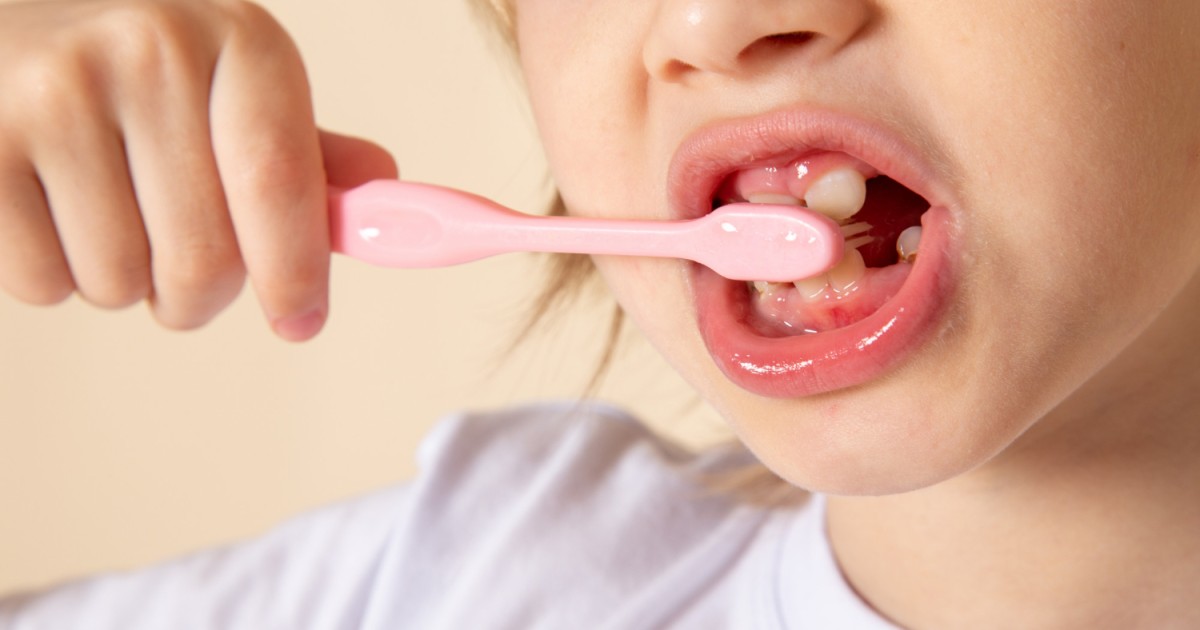
Soothers and Teeth , are a common term which runs in the minds of parents. A soother can be a big help when your baby is crying, tired or having trouble settling down. But as your baby grows into a toddler, you may start wondering: Can soothers affect my child's teeth?
The answer is yes, prolonged soother use can affect the way your child's teeth and jaws develop.
Sucking is a natural reflex for babies, and a pacifier can make them feel calm and comfortable. The risk is higher when a child uses a soother often and continues the habit for a long time. Dental changes can include an open bite, posterior crossbite and changes in the position of the front teeth. This does not mean that every baby who uses a soother will have crooked teeth.
The important things are how often your child uses it, how long the habit continues, and your child's age. A better approach is to understand when soother use is useful, when it can become a concern, and how to gradually stop the habit.
What Is a Soother?
A soother is a small nipple-shaped device that a baby can suck without getting milk or food from it. You may also know it as a:
Pacifier
Dummy
Binky
Comforter
Babies have a natural sucking reflex from birth. It helps them feed, but sucking can also make them feel relaxed. This is why some babies want a soother when they are:
Tired
Upset
Falling asleep
Travelling
Uncomfortable
Overstimulated
The American Academy of Pediatric Dentistry recognises that pacifiers can provide comfort during infancy. Pacifier use during sleep has also been associated with a lower risk of sudden infant death syndrome. So, a soother is not automatically bad for your baby's mouth.
The concern is more about prolonged sucking as the child gets older.
Soothers and Teeth
When a child sucks on a pacifier for long periods, the pacifier sits between the developing teeth and oral tissues. Repeated sucking can place pressure on the teeth, tongue, lips, cheeks and jaws. In a young baby, this is usually less concerning.
But when the habit continues for months or years, it can affect the way the teeth come together. This is called malocclusion. Malocclusion simply means that the upper and lower teeth do not meet in their usual position. Research has found a link between prolonged pacifier use and certain types of malocclusion, especially:
Anterior open bite
Posterior crossbite
Increased overjet
A 2025 review of 35 studies found that the risk of dental changes was related to factors such as the duration, frequency and intensity of pacifier use. However, this does not mean that every child who uses a pacifier will develop a dental problem. Children grow differently, and other factors such as genetics, jaw development and thumb sucking can also affect the bite.
Soother and Teeth : Associated Problems
1. Anterior Open Bite
An anterior open bite is one of the most common dental changes associated with prolonged pacifier use. Normally, when your child closes their mouth, the upper and lower front teeth should come together or sit very close to each other.
With an open bite, a gap remains between the upper and lower front teeth.
You may notice that your child can close their back teeth but still has a space between the front teeth. This can sometimes make it harder to bite into foods such as:
Apples
Carrots
Sandwiches
Pizza
Prolonged sucking can affect the position of the front teeth and the surrounding oral structures. Research has found moderate evidence linking pacifier use with anterior open bite.
2. Posterior Crossbite
A posterior crossbite affects the back teeth. Normally, the upper back teeth sit slightly outside the lower back teeth. In a posterior crossbite, one or more upper back teeth may sit inside the lower teeth when your child bites.
Long-term sucking can affect the shape and width of the developing upper dental arch. This may increase the chance of a posterior crossbite.
The American Academy of Pediatric Dentistry specifically recognises a relationship between prolonged pacifier use and posterior crossbite. This is one reason dentists pay attention to pacifier habits during routine check-ups.
3. Increased Overjet
You may have heard people describe a child's upper front teeth as "sticking out." The dental term for this horizontal distance between the upper and lower front teeth is overjet.
When the upper front teeth sit too far forward compared with the lower teeth, the overjet is increased. Pacifier use has been associated with increased overjet in some research, although the evidence is less consistent than it is for open bite and posterior crossbite.
It is also important to remember that genetics and jaw growth play a big role in the position of your child's teeth.
So you should not assume that a child's protruding front teeth were caused by a pacifier.
Soothers and Teeth : Lead to Crooked Teeth?
No. This is one of the most important things parents should know. A pacifier does not guarantee that your child will develop crooked teeth.
Research shows an association between prolonged pacifier use and certain dental problems. It does not mean that every child who uses a pacifier will develop them. The effect can depend on several things, including:
Your child's age
How many hours a day the soother is used
How many years the habit continues
How strongly your child sucks
Whether the soother is used during the day or mainly at bedtime
The child's natural jaw growth
Genetics
Other sucking habits
A child who uses a pacifier for 20 minutes before falling asleep is very different from a child who keeps one in their mouth for most of the day. This is why duration and frequency matter.
Soothers and Teeth : Safe Age
Age is an important part of the picture. A newborn and a 3-year-old do not have the same dental needs.
The American Academy of Pediatric Dentistry recommends discontinuing non-nutritive sucking habits by around 36 months. It also recommends limiting or stopping pacifier use around the time the canine teeth emerge, approximately 18 months, to reduce the risk of posterior crossbite.
A simple guide is:
Age |
What you can do |
Birth to 6 months |
Use a soother when your baby needs comfort |
6 to 12 months |
Try to avoid unnecessary all-day use |
Around 12 months |
Start limiting daytime use |
12 to 18 months |
Gradually reduce how often it is used |
18 to 24 months |
Try to keep it mainly for naps and bedtime |
2 to 3 years |
Work toward stopping the habit |
Around 3 years |
Continued use should be discussed with a dentist |
These are general guidelines. Your child's dentist or pediatrician may suggest a different approach depending on your child's needs.
Soothers and Teeth : Is Night Use Safe?
Soothers and Teeth are a common combination used at night. Using a soother mainly at bedtime is generally different from having it in the mouth throughout the day. For example, a toddler who uses a pacifier for 30 minutes while falling asleep has much less exposure than a toddler who uses one during play, watching TV, travelling and sleeping.
Still, nighttime use can continue for a long time, so it is worth gradually reducing the habit as your child gets older. One practical approach is to make the soother a sleep-only item first.
You can tell your child:
"The soother stays in bed."
Once your child gets used to that rule, you can work on stopping it completely.
Are Orthodontic Soothers Better for Teeth?
You may see pacifiers labelled:
Orthodontic
Dental
Anatomical
Physiological
These soothers have a different shape and are often marketed as being better for developing teeth. Some studies suggest that pacifier design may affect the type or amount of dental changes that occur. However, the evidence is not strong enough to say that an orthodontic pacifier prevents dental problems completely.
This is important. An "orthodontic" label does not mean your child can use the pacifier for several extra years without concern. How long your child uses the soother still matters.
If your child is three years old and uses an orthodontic pacifier for several hours every day, the design alone will not remove the concern.
Soothers and Teeth: Can Cause Cavities?
This is where parents often get confused. The sucking action itself is not the main cause of tooth decay. The bigger concern is putting sugary substances on the soother.
Never dip a pacifier in:
Honey
Sugar
Syrup
Juice
Sweetened drinks
These substances can leave sugar around your child's teeth and increase the risk of cavities. The American Dental Association advises parents not to dip pacifiers in sugar or honey.
There is another habit you should avoid. Do not put your child's pacifier in your own mouth to clean it. Adults can pass cavity-causing bacteria to babies through saliva.
Instead, clean the pacifier according to the manufacturer's instructions.
Soothers and Teeth : Dental Problems
It helps to keep these two issues separate.
Problem |
Main concern |
Prolonged sucking |
Changes in bite and tooth position |
Sugary pacifier |
Tooth decay |
Poor oral hygiene |
Plaque and cavities |
Damaged pacifier |
Safety risk |
This distinction is often missing in articles about pacifiers. A clean pacifier does not suddenly give your baby cavities. However, prolonged sucking can affect the developing bite. And dipping that pacifier in honey or sugar adds a completely different problem.
What Happens If You Stop the Soother?
This is one of the biggest concerns for parents. You may notice a gap between your child's front teeth and immediately worry that orthodontic treatment will be needed.
Don't panic.
Some dental changes associated with sucking habits can improve after the habit stops, especially when the child is still young. The American Academy of Pediatrics notes that some changes to the mouth may correct themselves if a child stops a strong sucking habit before the permanent front teeth come in.
But this does not happen in every child. Some changes may remain and need monitoring or treatment. That is why it is better to have your child's dentist check the bite rather than trying to predict what will happen at home.


Consult a dental surgeon
Soothers and Teeth : Safe Weaning Methods
Stopping a soother can be difficult. For some children, it is connected with sleep and comfort. Taking it away suddenly may lead to crying, poor sleep and a very unhappy toddler. A gradual approach can be easier.
Start With Daytime Use.
If your child uses the soother throughout the day, begin by removing it during play. You can say: "The soother is for sleeping."
Put it somewhere your child cannot easily see it. It may take a few days for them to get used to this.
Keep It for Sleep
Once your child can manage without the pacifier during the day, keep reducing its use. You may allow it only for:
Naps
Bedtime
Nighttime
This is a good middle step before stopping completely.
Create a New Bedtime Routine
Your child may need another way to feel calm. Try a routine such as:
Bath
Pajamas
Brush teeth
Story
Cuddle
Favourite toy
Sleep
Try to keep the routine the same every night. Children often respond better when they know what is coming next.
4. Give Praise
Avoid telling your child that they are "too old" or "a big baby" for using the soother. Instead, praise small steps. You can say:
"You played without your soother today. That's great."
Or:
"You slept for half the night without it." Positive reinforcement can make the process easier.
What If My Child Refuses to Stop?
Some children become very attached to their soother. If your child gets extremely upset every time you try to remove it, slow down and try a gradual approach. If your child is older and the habit is still strong, talk to your pediatric dentist. Your dentist can look at the developing bite and help you decide how quickly the habit needs to stop.
You don't need to turn bedtime into a daily fight.
Should You Cut the Soother?
You may find advice online telling parents to cut, pierce or damage the nipple of a pacifier. It is better not to do this unless your child's healthcare professional specifically recommends a safe method. A damaged pacifier may break apart or become a safety risk.
A planned weaning process is safer.
Soothers and Teeth : Safety
Dental health is important, but basic pacifier safety matters too.
Check it regularly
Look for:
Cracks
Tears
Loose parts
Changes in shape
A damaged nipple
Replace the pacifier if it becomes damaged.
Keep it clean
Follow the cleaning instructions provided by the manufacturer.
Never put honey or sugar on it
Honey should also never be given to babies younger than 12 months because of the risk of infant botulism.
Don't clean it in your mouth
Your saliva can transfer bacteria to your baby.
Avoid long cords
Do not attach a pacifier to your baby's neck or use long cords that could become dangerous.
When Should Your Child Visit the Dentist?
Your child's first dental visit should happen by around 12 months of age, or when the first tooth appears, depending on your dental provider's advice. The visit is not only about cavities. Your dentist can also look at:
Tooth eruption
Jaw development
The shape of the dental arches
The child's bite
Pacifier use
Thumb sucking
Oral hygiene
Early dental visits can also make dental care feel normal to your child.
Signs That Your Child's Soother Habit May Be Affecting Their Teeth
Make an appointment with your child's dentist if you notice:
A gap between the front teeth when your child bites
Upper front teeth that appear to stick forward
Back teeth that bite in an unusual position
Difficulty biting food
A noticeable change in the shape of the upper jaw
Strong pacifier use continuing after age 3
You don't need to wait for permanent teeth. A dentist can monitor changes while the baby teeth are still present.
Soother vs Thumb Sucking: Which Is Worse?
Both habits can affect the developing teeth if they continue for too long. There is, however, one practical difference. A soother can be removed. A thumb cannot.
This makes pacifier habits easier for parents to control.
Research has found that both pacifier use and finger sucking can be associated with dental changes such as anterior open bite and posterior crossbite. So if your baby needs something to suck for comfort, a pacifier can be easier to manage later than a thumb-sucking habit. But it still needs to be phased out as your child gets older.
References
- American Academy of Pediatric Dentistry. · source
Frequently asked questions
Can a soother make my baby's teeth crooked?
Prolonged and frequent pacifier use can increase the risk of changes in tooth position and bite. However, not every child who uses a pacifier will develop crooked teeth.
At what age should a child stop using a soother?
It is sensible to start reducing use during the second year of life and work toward stopping by around age 3. The AAPD recommends discontinuing non-nutritive sucking habits by 36 months.
Is an orthodontic soother safer?
Some designs may have less effect on certain dental changes, but no pacifier design completely removes the risks associated with prolonged sucking.