


If you're constantly asking yourself "why am I always tired?" you're not alone. Fatigue is one of the most common complaints doctors hear, and it's also one of the most misunderstood. Most people chalk it up to stress or not sleeping enough. And yes, sometimes that's exactly it. But other times? There's something deeper going on that deserves real attention.
The truth is, persistent tiredness the kind that sticks around for weeks, the kind that sleep doesn't fix, the kind that makes even small tasks feel like a marathon can be your body's way of waving a red flag.
In this article, we're going to break down 12 legitimate medical reasons why you might feel exhausted all the time, what the warning signs look like for each, and when it's time to stop Googling and actually talk to a doctor.
The Difference Between Normal Tiredness and Medical Fatigue
Before we dive into the medical reasons, let's make one important distinction.
Normal tiredness happens when you've physically or mentally overdone it. You run a 5K, stay up late finishing a deadline, or have a particularly emotionally draining day. You feel exhausted but after a good night's sleep, you bounce back. That's your body doing exactly what it's supposed to do.
Medical fatigue is different. It's persistent. It doesn't go away with rest. It often comes with other symptoms brain fog, weakness, mood changes, or physical discomfort. And it tends to interfere with your daily life in ways that normal tiredness doesn't.
Here's a simple way to think about it: if you've been tired for more than two weeks and you can't point to a clear lifestyle reason (like a new baby at home or a brutal work stretch), it's worth paying closer attention.
Let's get into what might actually be going on.
The 12 Reasons Why You Feel Tired All the Time
1. Iron Deficiency Anemia
This is one of the most common causes of fatigue especially in women and it's also one of the most frequently missed.
What it is: Anemia happens when your body doesn't have enough red blood cells to carry oxygen to your tissues. When your cells aren't getting enough oxygen, everything slows down. Your muscles, your brain, your organs they're all running on less fuel than they need.
Iron deficiency is the leading cause of anemia worldwide. Your body needs iron to produce hemoglobin, the protein in red blood cells that carries oxygen. When iron levels drop, so does your energy.
Common symptoms:
- Extreme fatigue, even after rest
- Pale or yellowish skin
- Shortness of breath during light activity
- Rapid or irregular heartbeat
- Cold hands and feet
- Brittle nails
- Headaches
- Unusual cravings (like ice or dirt - yes, this is a real thing, called pica)
Who's most at risk: Women of reproductive age (due to monthly blood loss), pregnant women, people who follow plant-based diets, frequent blood donors, and people with conditions that affect nutrient absorption, like celiac disease.
What to do: A simple blood test (called a CBC or complete blood count) can tell you if your iron levels are low. If they are, your doctor may recommend iron-rich foods, supplements, or both. Don't self-diagnose and start loading up on iron pills, though too much iron has its own set of problems.
2. Hypothyroidism (Underactive Thyroid)
Your thyroid is a butterfly-shaped gland in your neck, and it controls your metabolism basically the rate at which your body converts food into energy. When it's underactive, everything in your body slows down. Including you.
What it is: Hypothyroidism means your thyroid isn't producing enough thyroid hormone. As a result, your metabolism tanks. You feel sluggish, cold, and mentally foggy.
Common symptoms:
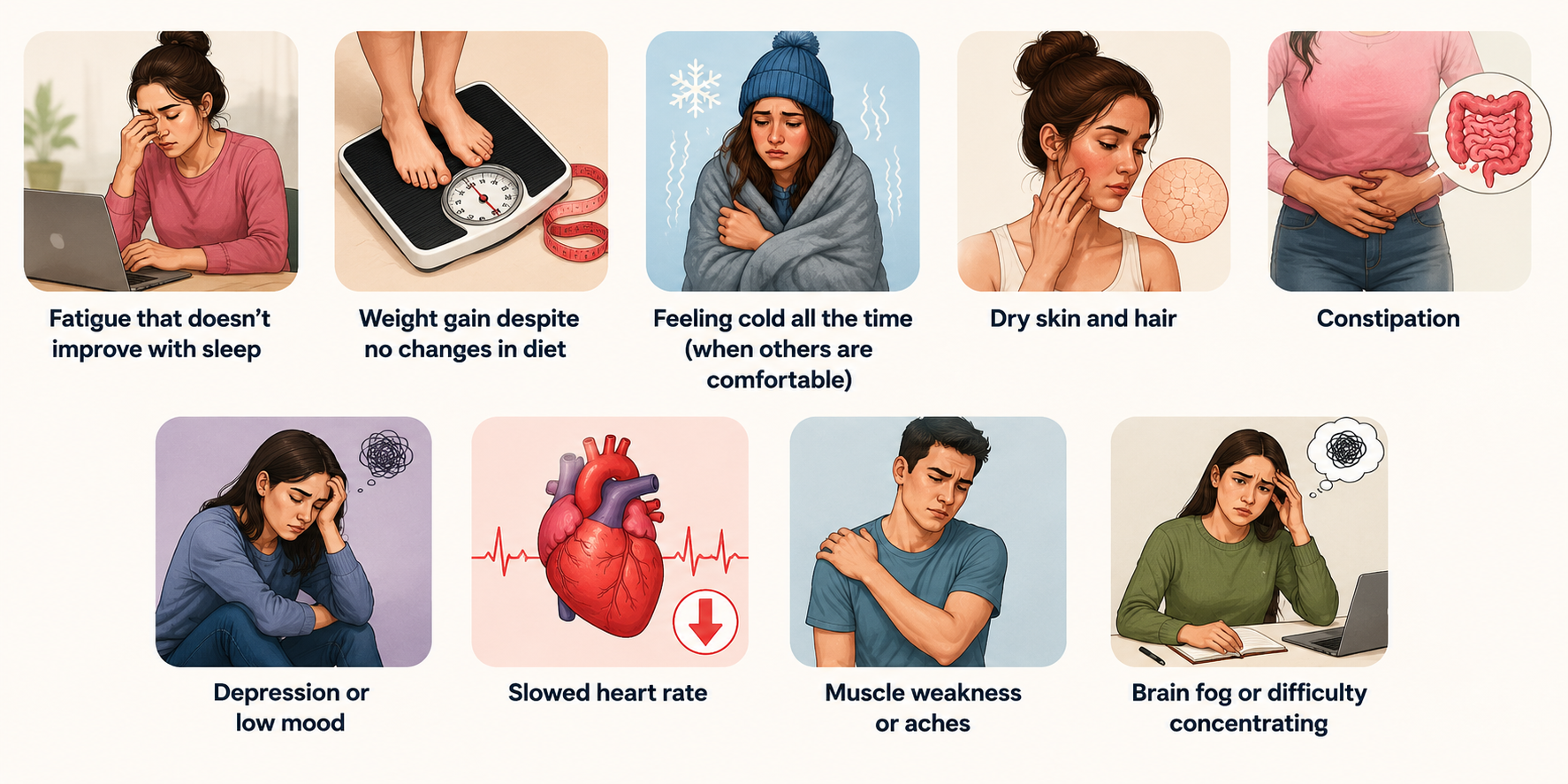
The tricky part: Hypothyroidism can develop gradually over years, so symptoms can sneak up on you. You might just think you're "getting older" or "slowing down naturally" when really, your thyroid is struggling.
What to do: A blood test called a TSH (thyroid-stimulating hormone) test can identify thyroid problems. The good news? Once diagnosed, hypothyroidism is typically very manageable with daily medication.
3. Sleep Apnea
Here's a frustrating scenario: you go to bed at a reasonable hour, you technically sleep for seven or eight hours, and you still wake up feeling like you never slept at all. If that's you, sleep apnea might be the culprit.
What it is: Sleep apnea is a disorder where your breathing repeatedly stops and starts while you sleep. The most common form obstructive sleep apnea happens when the muscles in your throat relax too much and block your airway. Your brain wakes you up briefly (often without you realizing it) to resume breathing. This can happen dozens, even hundreds of times per night.
As a result, you never fully reach the deep, restorative stages of sleep. Even if you clock eight hours, your body is being constantly interrupted. You wake up exhausted.
Common symptoms:
- Loud snoring (often noticed by a bed partner)
- Gasping or choking sounds during sleep
- Waking up with a dry mouth or sore throat
- Morning headaches
- Daytime sleepiness, even after a full night
- Difficulty concentrating
- Irritability or mood changes
Who's most at risk: Overweight individuals, men over 40, people with larger neck circumferences, those with a family history, and smokers. However, sleep apnea can affect anyone, including children.
Why it matters beyond tiredness: Untreated sleep apnea significantly raises your risk of high blood pressure, heart disease, stroke, and type 2 diabetes. This is not something to shrug off.
What to do: Talk to your doctor about a sleep study (polysomnography). Treatment often involves a CPAP machine, which keeps your airway open while you sleep. Many people describe their first night on CPAP as life-changing.
4. Type 2 Diabetes
Diabetes affects how your body processes blood sugar (glucose) and without proper management, it can leave you feeling profoundly drained.
What it is: In type 2 diabetes, your cells become resistant to insulin, or your pancreas doesn't produce enough of it. Insulin is the hormone that helps glucose enter your cells to be used as energy. When this process breaks down, glucose builds up in the bloodstream instead of being used for fuel. Your cells are essentially starving for energy, even though there's plenty of sugar floating around in your blood.
Common symptoms:
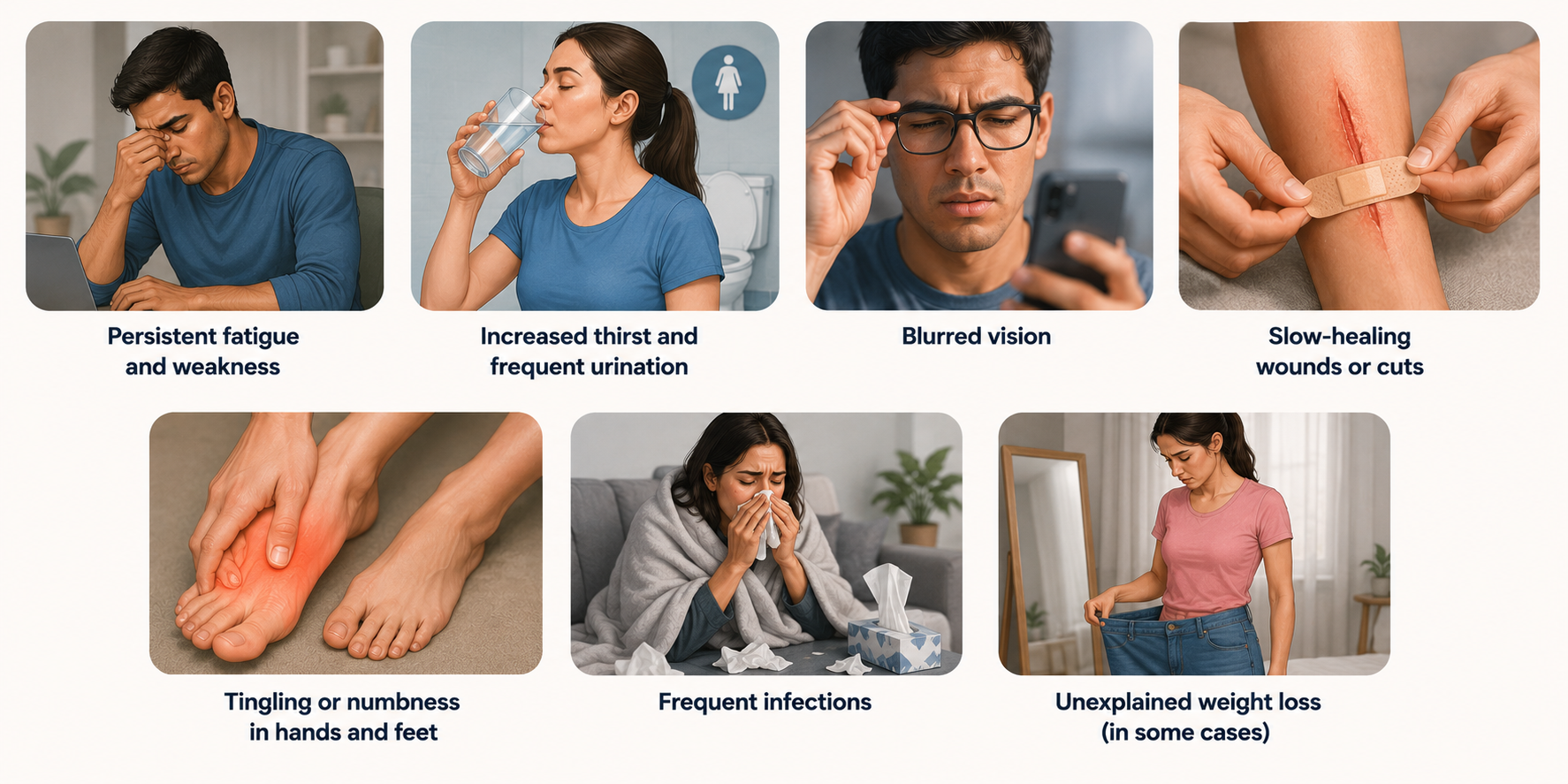
The silent nature of diabetes: Many people with type 2 diabetes don't know they have it for years. The fatigue often gets dismissed as stress or aging. Meanwhile, blood sugar levels are causing damage behind the scenes.
What to do: A fasting blood glucose test or HbA1c test can diagnose diabetes or prediabetes. If you're at risk (family history, overweight, sedentary lifestyle, over 45), getting screened regularly is important not optional.
5. Depression and Anxiety
Mental health conditions are real, they're physical, and they are absolutely capable of making you feel bone-tired.
What it is: Depression isn't just about feeling sad. It's a complex condition that affects brain chemistry, and one of its most debilitating symptoms is fatigue. People with depression often describe a heavy, leaden kind of exhaustion the kind where getting out of bed feels like climbing a mountain.
Anxiety, on the other hand, keeps your nervous system in a constant state of low-level alert. Your body produces stress hormones like cortisol and adrenaline almost continuously. Over time, that burns through your energy reserves.
How fatigue shows up in depression:
- Sleeping too much or struggling to sleep (or both, at different times)
- Waking up exhausted regardless of how many hours you slept
- Physical heaviness and slowed movements
- Difficulty concentrating or making decisions
- Losing interest in things you normally enjoy
- Persistent sadness, emptiness, or hopelessness
How fatigue shows up in anxiety:
- Difficulty falling or staying asleep due to racing thoughts
- Physical tension that is constantly draining your muscles
- Feeling "wired but tired" exhausted but unable to relax
- Frequent headaches, stomach issues, and muscle aches
What to do: Talk to your doctor or a mental health professional. Both depression and anxiety respond well to treatment which may include therapy, medication, lifestyle changes, or a combination. You don't have to white-knuckle your way through this.
6. Vitamin D Deficiency
Vitamin D is often called the "sunshine vitamin," and when you're not getting enough, your body lets you know often through fatigue, muscle weakness, and mood changes.
What it is: Vitamin D is crucial for bone health, immune function, and energy levels. Your body produces it when your skin is exposed to sunlight but many people, especially those who spend a lot of time indoors, live in northern climates, or have darker skin, don't get enough.
Common symptoms:
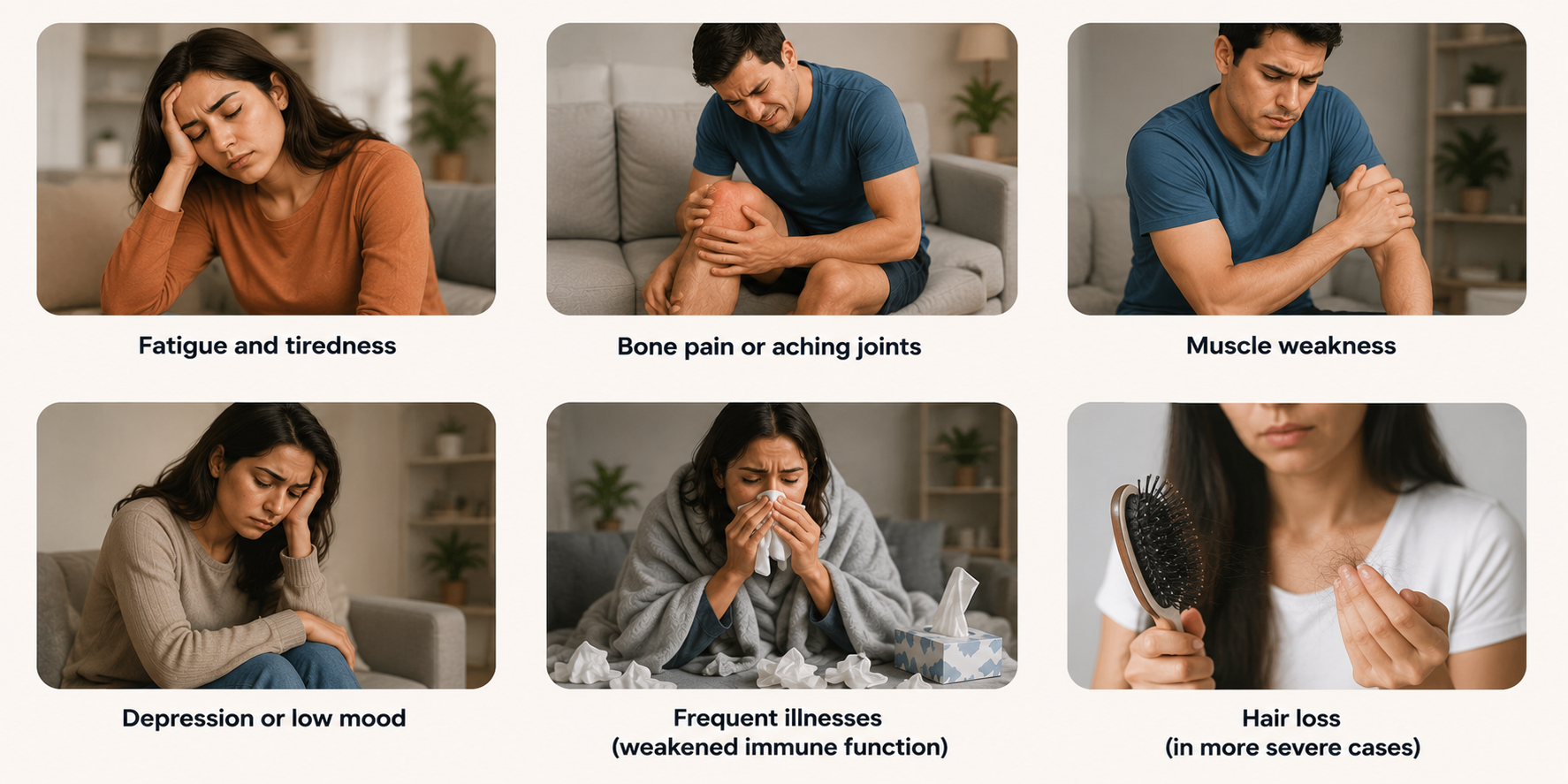
The sneaky part: Many people with vitamin D deficiency feel tired and achy but never connect it to a nutrient issue. They assume they're just stressed or under the weather.
What to do: A 25-hydroxyvitamin D blood test can check your levels. If you're deficient, your doctor may recommend supplements vitamin D3 is generally the preferred form. Spending time outdoors and eating vitamin D-rich foods (fatty fish, egg yolks, fortified foods) can also help.
7. Vitamin B12 Deficiency
Vitamin B12 is essential for nerve function, red blood cell production, and DNA synthesis. Without enough of it, your energy can absolutely crater.
What it is: B12 deficiency is more common than most people realize. It develops when your body either doesn't get enough B12 from your diet, or can't absorb it properly from the gut.
Strict vegetarians and vegans are at particular risk because B12 is found almost exclusively in animal products. But absorption problems caused by conditions like pernicious anemia, celiac disease, Crohn's disease, or the use of certain medications like metformin or proton pump inhibitors can affect anyone.
Common symptoms:
- Deep fatigue and weakness
- Pale or jaundiced skin
- Shortness of breath
- Tingling or numbness in hands and feet
- Memory problems or brain fog
- Mood changes, including irritability and depression
- Difficulty walking or maintaining balance
- A swollen or inflamed tongue
Why it matters: Long-term B12 deficiency can cause permanent nerve damage. The fatigue and cognitive symptoms that come with it are often mistaken for normal aging or stress.
What to do: Blood tests can identify a B12 deficiency. Treatment may involve dietary changes, oral supplements, or in cases where absorption is the issue, B12 injections.
8. Chronic Fatigue Syndrome (ME/CFS)
Chronic Fatigue Syndrome now more formally known as Myalgic Encephalomyelitis/Chronic Fatigue Syndrome (ME/CFS) is a complex, serious, and still not fully understood condition that causes overwhelming, disabling fatigue.
What it is: ME/CFS is not just being really tired. It's a condition where fatigue is so profound it significantly impairs a person's ability to function and crucially, it does not improve with rest. In fact, physical or mental exertion often makes symptoms dramatically worse, a phenomenon called post-exertional malaise (PEM).
The exact cause of ME/CFS is unknown, though it frequently appears after a viral illness. The connection to long COVID has brought increased research attention and public awareness to this condition.
Common symptoms:
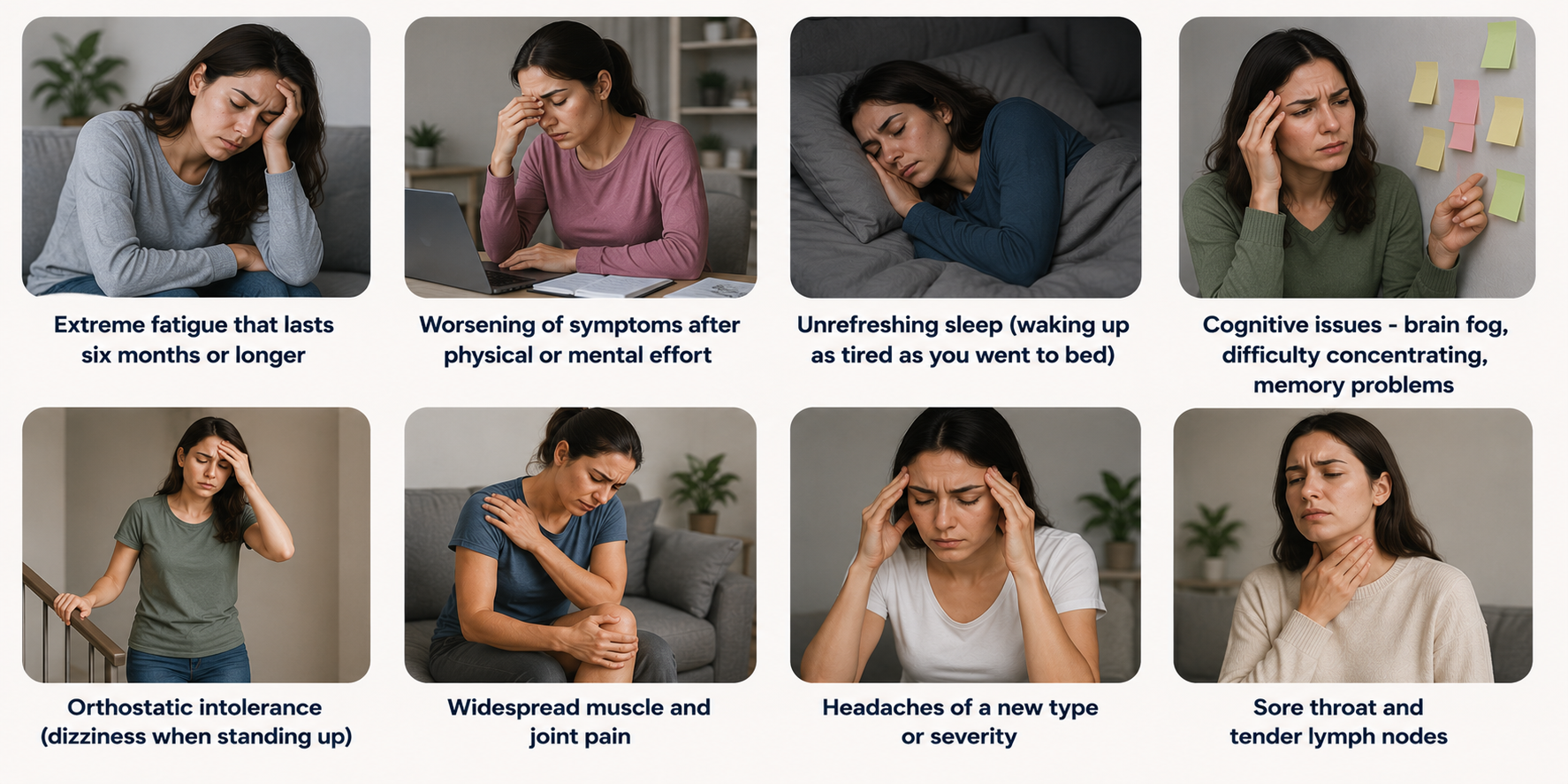
What to do: There's no single test for ME/CFS. Diagnosis involves ruling out other conditions and evaluating symptom patterns. If you suspect ME/CFS, working with a doctor who is familiar with the condition is important. Management typically involves pacing, sleep support, and symptom-specific treatments.
9. Heart Disease
Fatigue isn't always just an energy problem. Sometimes it's your heart sending a warning signal.
What it is: When your heart isn't pumping blood as effectively as it should whether due to coronary artery disease, heart failure, valve problems, or arrhythmias your body's organs and muscles aren't getting the blood flow they need. The result can be deep, persistent fatigue.
This is particularly important to understand because heart disease in women often presents very differently than in men. The classic "crushing chest pain" picture doesn't always apply. Women are more likely to experience fatigue, shortness of breath, nausea, and jaw or back pain symptoms that are easy to dismiss or misattribute.
Heart-related fatigue may show up as:
- Unexplained exhaustion, especially with mild exertion
- Shortness of breath during activities that used to be easy
- Swelling in the legs or ankles
- Rapid or irregular heartbeat
- Dizziness or lightheadedness
- Chest tightness, pressure, or discomfort
What to do: If you have risk factors for heart disease (high blood pressure, high cholesterol, diabetes, smoking, family history, obesity) and you're experiencing unexplained fatigue and shortness of breath, see a doctor. Don't wait. Tests like an EKG, echocardiogram, or stress test can evaluate heart function.
10. Chronic Kidney Disease
Your kidneys do a lot of quiet, essential work filtering waste, balancing fluids, regulating blood pressure, and producing hormones that support red blood cell production. When they're struggling, fatigue is often one of the first things you notice.
What it is: Chronic kidney disease (CKD) is a gradual loss of kidney function over time. As the kidneys lose efficiency, waste products and fluid build up in the body. This, combined with the anemia that often accompanies CKD (because the kidneys produce a hormone called erythropoietin that stimulates red blood cell production), creates a perfect storm of exhaustion.
Common symptoms:
- Persistent fatigue and weakness
- Difficulty sleeping
- Changes in urination (more or less frequent, foamy, or darker in color)
- Swelling in feet and ankles
- Persistent itching
- Nausea or loss of appetite
- Muscle cramps
- Difficulty concentrating
The silent progression: Like diabetes, CKD often develops silently. Many people don't notice symptoms until kidney function has significantly declined.
What to do: Simple blood and urine tests can check kidney function. If you have risk factors especially diabetes or high blood pressure, which are the leading causes of CKD regular monitoring is essential.
11. Autoimmune Conditions
Fatigue is one of the most universal and debilitating symptoms across virtually all autoimmune diseases from lupus and rheumatoid arthritis to multiple sclerosis and Hashimoto's thyroiditis.
What it is: In autoimmune conditions, the immune system mistakenly attacks the body's own tissues. This constant internal battle is exhausting literally. The inflammatory processes involved consume enormous amounts of energy, and the pain, disrupted sleep, and organ involvement that often come with these conditions compound the fatigue significantly.
Autoimmune diseases are also disproportionately common in women, with conditions like lupus, rheumatoid arthritis, and Sjogren's syndrome affecting women far more often than men.
Lupus fatigue: Lupus fatigue is often described as crushing and unpredictable it can strike regardless of activity level and doesn't necessarily correlate with how active the disease is. Studies suggest that fatigue is the most common and one of the most disabling symptoms for people with lupus.
Rheumatoid Arthritis (RA) fatigue: RA involves systemic inflammation that extends far beyond the joints. The inflammatory cytokines circulating in the body directly affect energy production, mood, and sleep leaving people with RA fighting both joint pain and profound tiredness.
Multiple Sclerosis (MS) fatigue: MS-related fatigue is often described as unlike anything else an overwhelming, whole-body exhaustion that can appear without warning and is worsened by heat.
Common signs that fatigue may be autoimmune-related:

What to do: If you have unexplained fatigue along with any of the above symptoms, see your doctor. Autoimmune diseases are diagnosed through blood tests (like ANA panels), physical examination, and sometimes imaging. Early diagnosis and treatment can help protect organ function and significantly improve quality of life.
12. Dehydration and Poor Nutrition
Sometimes the answer isn't exotic it's actually very basic. And that's worth addressing honestly.
Dehydration:
Even mild dehydration as little as 1-2% of your body's fluid loss can significantly impair energy levels, concentration, and mood. Your blood becomes thicker, your heart has to work harder to pump it, and your cells function less efficiently. The result? You feel tired, foggy, and drained.
Most adults need somewhere around 8 to 10 cups of water per day, though this varies by body size, activity level, and climate. Coffee, alcohol, and high-sodium foods can all increase fluid loss.
Signs of mild dehydration:
- Fatigue or sluggishness
- Headache
- Difficulty concentrating
- Dark yellow urine
- Dry mouth or skin
- Irritability
Poor Nutrition:
Your body runs on food. When you're not getting the right nutrients either because you're skipping meals, eating a highly processed diet, or simply not consuming enough calories your energy production suffers.
Specifically, diets chronically low in:
- Complex carbohydrates (your brain's primary fuel source)
- Protein (needed for cell repair and neurotransmitter production)
- Healthy fats (important for brain function and hormone production)
- Magnesium (involved in over 300 enzymatic reactions, including energy production)
- Iron, B12, and vitamin D
These all can contribute to ongoing fatigue.
It's also worth noting that crash diets, extreme calorie restriction, and skipping meals are common but underappreciated culprits behind persistent tiredness.
What to do: Focus on eating balanced, regular meals that include a variety of whole foods. Stay hydrated throughout the day. Limit caffeine and alcohol. And if you're restricting calories significantly, talk to a registered dietitian about doing it in a way that doesn't tank your energy.
When Should You See a Doctor?
Not every bout of tiredness requires a trip to the doctor. But there are situations where getting checked out is important not optional.
See a doctor if:
- Your fatigue has lasted two weeks or longer without a clear explanation
- Tiredness is affecting your ability to work, manage relationships, or enjoy daily life
- You're sleeping 8+ hours but still waking up exhausted
- Fatigue is accompanied by other symptoms: unexplained weight changes, pain, shortness of breath, skin changes, frequent illness, or cognitive problems
- You've recently had a viral illness and never quite recovered
- You have risk factors for conditions like diabetes, heart disease, or thyroid disorders
Be honest with your doctor: Many people underreport their fatigue because they feel embarrassed or fear being dismissed. Write down your symptoms, how long they've been going on, any patterns you've noticed, and any medications or supplements you're taking. This information genuinely helps.
Ask for blood work: At minimum, a basic workup for unexplained fatigue should include: CBC (complete blood count), thyroid panel, blood sugar/HbA1c, iron studies, vitamin D, and vitamin B12 levels. These are all standard and relatively inexpensive tests.
Advocate for yourself: If a doctor dismisses your fatigue without running any tests, it's reasonable to ask for a second opinion. Fatigue is real, it has real causes, and you deserve to know what's driving it.
Lifestyle Factors That Make Fatigue Worse
While the 12 reasons above are medically driven, there are lifestyle patterns that dramatically amplify tiredness even when an underlying condition is present.
Poor sleep hygiene: Irregular sleep schedules, excessive screen time before bed, caffeine after 2pm, and sleeping in rooms that are too warm all sabotage sleep quality even when you technically spend enough hours in bed.
Sedentary lifestyle: It sounds counterintuitive, but regular physical movement actually increases energy levels. Sitting all day in a chair or on a couch leads to deconditioning that makes physical activity feel harder than it should, creating a cycle of fatigue and inactivity.
Alcohol: While alcohol might help you fall asleep faster, it significantly disrupts sleep architecture particularly REM sleep. Even a glass or two of wine at night can lead to waking up feeling unrested.
Excess caffeine: Relying on caffeine to get through the day can mask tiredness in the short term but often disrupts nighttime sleep and creates a dependency cycle that worsens overall energy levels.
Chronic stress: Prolonged psychological stress keeps your body's fight-or-flight response activated. High cortisol over time disrupts sleep, depletes energy reserves, and contributes to both physical and mental exhaustion.
Addressing these lifestyle factors doesn't replace medical evaluation but doing both gives you the best chance of actually feeling better.
How to Track Your Fatigue
Before you see a doctor, it helps to have specifics. Keeping a simple fatigue journal for one to two weeks can provide valuable insights. Here's what to track:
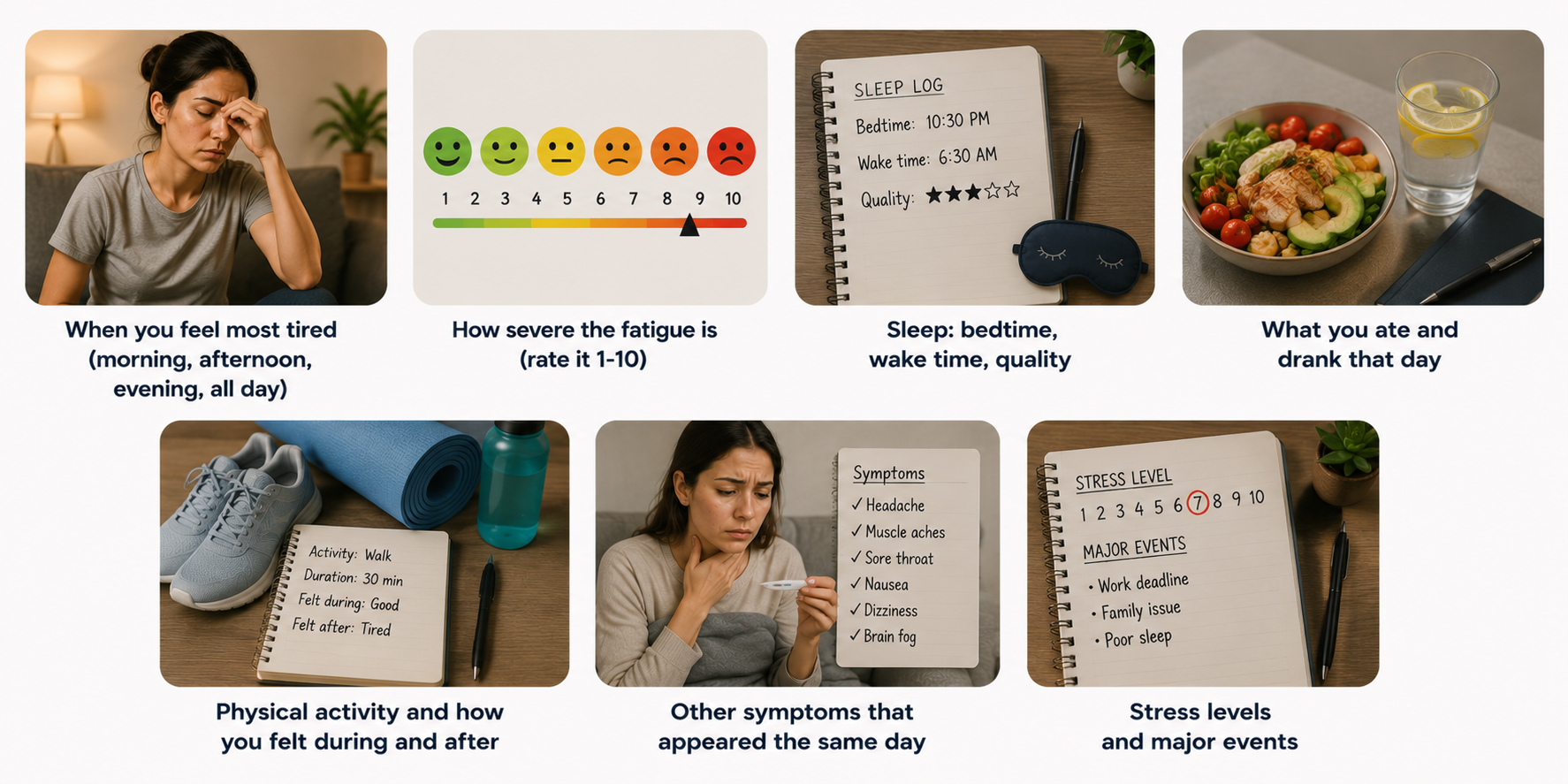
Patterns in this data can help you and your doctor narrow down potential causes quickly.
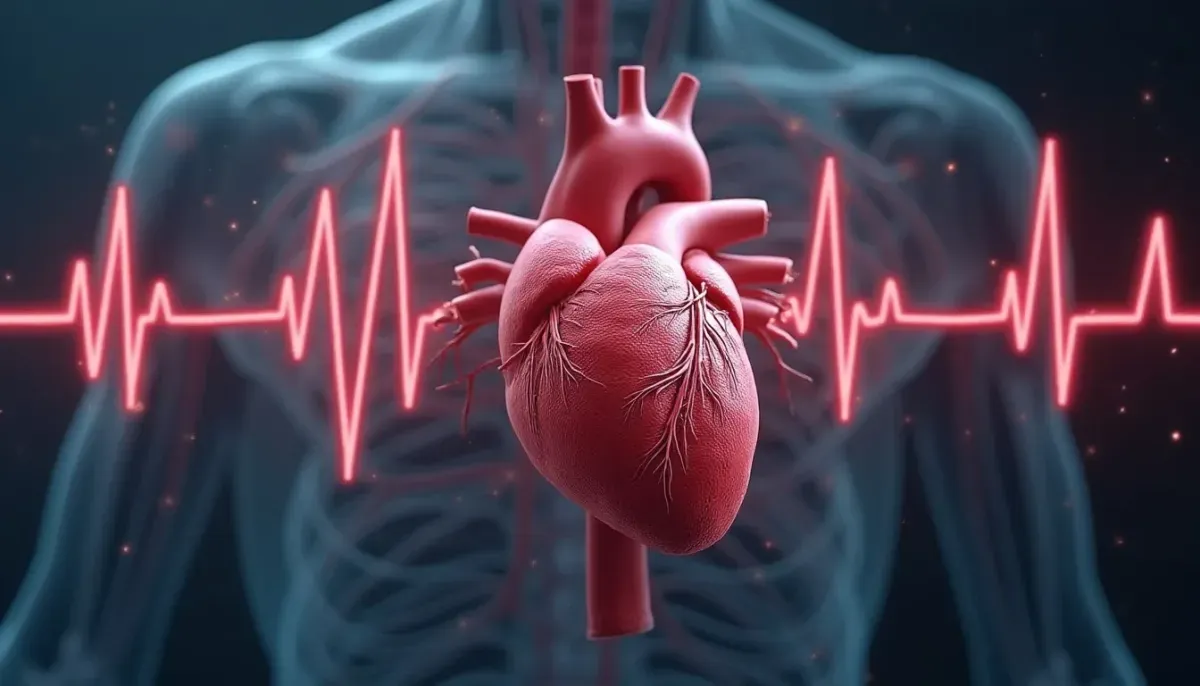
Fatigue and irregular heartbeat symptoms may sometimes point toward sinus arrhythmia-related concerns.
FAQ:
Why am I always tired even when I get enough sleep?
Sleeping for enough hours doesn't always mean your sleep is restorative. Conditions like sleep apnea, depression, and thyroid disorders can prevent you from reaching deep sleep stages. Medical causes like anemia, vitamin deficiencies, or diabetes can also cause exhaustion that sleep simply doesn't fix.
Can anxiety cause extreme tiredness?
Absolutely. Chronic anxiety keeps your nervous system in a state of constant low-level stress. Your body produces cortisol and adrenaline almost continuously, which burns through energy reserves quickly. Poor sleep from racing thoughts adds another layer of exhaustion.
When is fatigue a red flag?
Fatigue becomes a red flag when it lasts more than two weeks without a clear cause, doesn't improve with rest, or comes with other symptoms like unexplained weight changes, shortness of breath, pain, frequent illness, or cognitive problems. These warrant a medical evaluation.
What is the most common medical reason for fatigue?
Iron deficiency anemia and hypothyroidism are among the most common and most frequently missed medical causes of persistent fatigue. Both are easily diagnosed with blood tests and very treatable.
Can dehydration really make you that tired?
Yes. Even mild dehydration causes measurable drops in energy, focus, and mood. Many people are chronically mildly dehydrated without realizing it, which can contribute to ongoing low energy.
Should I take energy supplements if I'm always tired?
Don't start supplements before identifying the cause of your fatigue. Iron, for example, can be harmful in excess. Vitamin D supplements are generally safe for most people, but it's best to confirm you're actually deficient before supplementing. Talk to your doctor first.
Can poor diet cause chronic fatigue?
Yes. Diets lacking in iron, B12, vitamin D, magnesium, protein, and complex carbohydrates can all contribute to persistent tiredness. Skipping meals and extreme calorie restriction are also common culprits.
What blood tests should I ask for if I'm always tired?
Ask your doctor about a CBC (to check for anemia), TSH (thyroid function), fasting glucose or HbA1c (blood sugar), iron studies, ferritin, vitamin B12, and vitamin D. These cover the most common treatable causes of fatigue.
The Bottom Line
Fatigue is not just a modern inconvenience. It's your body talking to you and when it keeps talking despite your best efforts to rest, eat well, and sleep properly, it's worth listening carefully.
The 12 medical reasons we've covered from iron deficiency anemia and thyroid disease to sleep apnea, diabetes, depression, and autoimmune conditions are all real, common, diagnosable, and mostly very treatable. You don't have to just live with feeling exhausted.
The most important thing you can do is stop dismissing persistent fatigue as "just stress" or "just getting older." Get some blood work done. Talk to your doctor honestly. Track your symptoms. Advocate for yourself if you feel brushed off. Because feeling energetic, clear-headed, and capable of enjoying your life isn't too much to ask. It's exactly what you deserve and with the right diagnosis, it's often very much within reach.


Member discussion