


Sleep is supposed to restore the body and make you refreshed when woken up. But what happens if breathing repeatedly stops during sleep and the brain has to fight to keep you alive?
Sleep apnea is not just about loud snoring or poor sleep quality. When left untreated, it can lead to serious, sometimes severe complications. The good news is that sleep apnea is diagnosable, manageable, and treatable when addressed early.
This is why it becomes important to understand what sleep apnea is, whether it can be deadly, who is at risk, and how people survive and live well with the condition.
What Is Sleep Apnea?
Sleep apnea is a sleep-related breathing disorder in which breathing repeatedly stops during sleep. These pauses in breathing, called apneas, can last from a few seconds to over a minute and may occur for longer or even hundreds of times per night.
Each time breathing stops, oxygen levels in the blood drop. In response, the brain briefly wakes the body to restart breathing. Most people are unaware of these awakenings, but they severely disrupt normal sleep cycles.
Over time, this constant oxygen deprivation and disruption in sleep can cause extreme stress on the heart, brain, and other organs.
Types of Sleep Apnea
1. Obstructive Sleep Apnea (OSA)
Obstructive sleep apnea (OSA) is the most common form of sleep apnea that can be seen in millions of people around the world. In this condition, breathing stops because muscles relax in your throat and tissues press on a wind pipe that blocks air to enter your lungs.
2. Central Sleep Apnea (CSA)
Central Sleep Apna (CSA) is caused by a failure of the brain to send proper signals to the breathing muscles. In this condition, brain does not give signal to breathe which result in sleep apnea. This condition is ore common in people with neurological disorders, stroke, or heart problems.
3. Complex (Mixed) Sleep Apnea
This condition is the combination of both obstructive and central sleep apnea. Often identified during sleep studies after CPAP therapy begins
How Common Is Sleep Apnea?
Sleep apnea is far more common than many people realize. That’s why most people tends to ignore this problem by thinking it as a light issue happening with them.
- This has seen in the studies of NIH that obstructive sleep apnea affects hundreds of millions of people worldwide in which many cases remain undiagnosed.
- Central sleep apnea is less common but not rare
- Men are affected more frequently before age 50
- Risk increases with age, weight, and certain medical conditions
Children can also develop sleep apnea, particularly due to enlarged tonsils or obesity.
Can Sleep Apnea Kill You?
It might hurt to hear but sleep apnea can kill you. Sleep apnea usually does not cause sudden death during sleep in otherwise healthy individuals. However, untreated sleep apnea significantly increases the risk of life-threatening conditions, including:
- Heart attacks
- Strokes
- Fatal heart rhythm disturbances
- Sudden cardiac death
- Severe accidents due to daytime sleepiness
Repeated oxygen deprivation activates stress responses that damage blood vessels, strain the heart, and disrupt normal metabolic function. Over time, this cumulative damage can become life-threatening.
Why Sleep Apnea Becomes Dangerous
1. Oxygen Deprivation (Hypoxia)
Sleep apnea means not breathing while sleeping which leads to no oxygen delivery to vital organ. This can cause:
- Heart muscle damage
- Brain cell injury
- Increased inflammation
- Blood vessel dysfunction
2. Cardiovascular Stress
Sleep apnea is strongly linked to:
- High blood pressure (especially resistant hypertension)
- Atrial fibrillation and other arrhythmias
- Coronary artery disease
- Heart failure
- Sudden cardiac death during sleep
3. Stroke Risk
Interrupted oxygen supply and blood pressure spikes increase the risk of both ischemic and hemorrhagic strokes.
4. Excessive Daytime Sleepiness
Poor sleep quality leads to:
- Micro-sleep episodes
- Impaired concentration
- Increased risk of road and workplace accidents
- Reduced quality of life
Symptoms of Sleep Apnea
Common Nighttime Symptoms
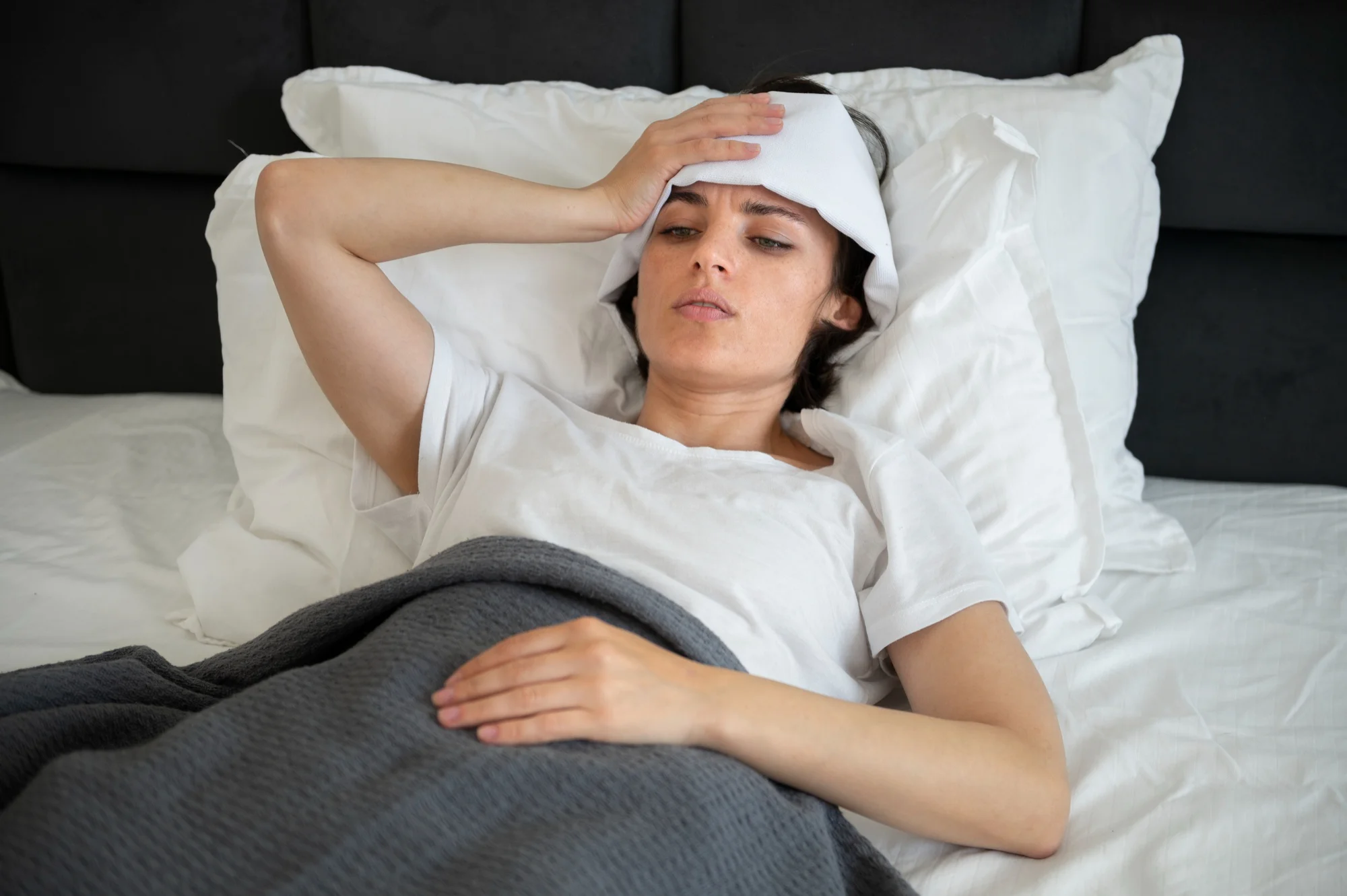
- Loud, chronic snoring
- Pauses in breathing witnessed by others
- Gasping or choking during sleep
- Restless or fragmented sleep
- Night sweats
Daytime Symptoms
- Excessive daytime fatigue
- Morning headaches
- Difficulty concentrating
- Memory problems
- Mood changes, depression, or anxiety
- Decreased libido
In Children
- Bed-wetting
- Hyperactivity
- Poor academic performance
- Mouth breathing
What Causes Sleep Apnea?
The Obstructive Causes are:

- Obesity
- Large tonsils or adenoids
- Narrow airway anatomy
- Alcohol or sedative use
- Sleeping on the back
The Central Causes are:
- Stroke
- Brain-stem disorders
- Heart failure
- Opioid medications
- Neurological diseases
Risk Factors for Sleep Apnea
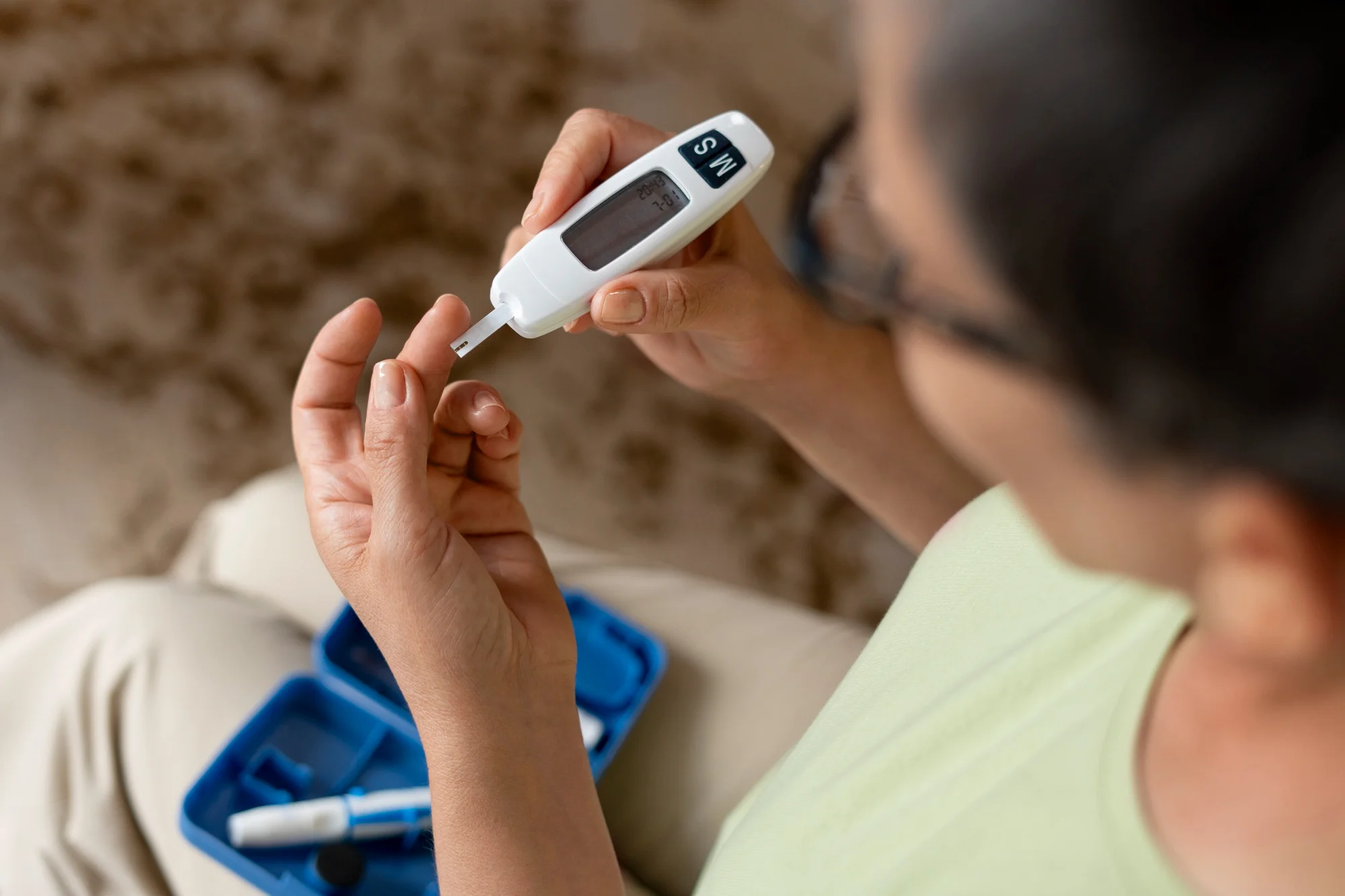
The risk factor that can e the major concern for sleep apnea are:
- Obesity (but can occur in any body type)
- Family history of sleep apnea
- Male sex (higher risk before age 50)
- Older age
- Smoking
- Alcohol use
- High blood pressure
- Diabetes
- Heart disease
- Enlarged tonsils (especially in children)
How Is Sleep Apnea Diagnosed?
Sleep apnea can be really dangerous, so it becomes important to treat this condition o time. If you or your loved one experience this problem, seek help from professional healthcare to treat it immediately. Don’t compromise your today, just get the medical help to avoid the risks in future. The different ways by which doctor will diagnose this condition are:
1. Clinical Evaluation
A healthcare provider will ask you the different questions which will include symptoms, medical history, and sleep habits.
2. Polysomnography (Sleep Study)
This test is done to study your sleep cycle, i this you will be provided with a monitor which will examine your brain activity, breathing patterns, oxygen levels, heart rate and muscle movement. On the basis of this your sleep apnea will be examined ad you will be getting treatment further, accordingly.
3. Home Sleep Apnea Testing
This test is done at home which checks your sleep pattern and how often you wake up in between of sleep. This test does not monitor brain activity and only applicable to check obstructive sleep apnea.
How Is Sleep Apnea Treated?
1. CPAP (Continuous Positive Airway Pressure)
The most effective and widely used treatment.
- Keeps the airway open with pressurized air
- Reduces apnea episodes
- Lowers cardiovascular risk
- Improves sleep quality and survival
2. Oral Appliances
Custom mouth devices that reposition the jaw or tongue.
This treatment is best for:
- Mild to moderate OSA
- Patients intolerant of CPAP
3. Lifestyle Changes

- Weight loss
- Avoiding alcohol and sedatives
- Sleeping on the side
- Smoking cessation
4. Neuromuscular Stimulation Devices
Stimulate airway muscles to prevent collapse during sleep.
5. Medications
Medications may help in central sleep apnea related to underlying conditions.
6. Surgery
Reserved for selected cases.
- Tonsillectomy
- Jaw repositioning surgery
- Nasal surgery (e.g., septoplasty)
- Airway reconstruction procedures
Survival and Long-Term Outlook
- With proper diagnosis and treatment:
- Life expectancy improves significantly
- Cardiovascular risk decreases
- Daytime functioning and quality of life improve
- Sudden death risk drops
Sleep apnea is not a death sentence, but ignoring it can be dangerous.
Final Thoughts
Sleep apnea is a serious medical condition, not just a sleep problem. While it rarely causes immediate death, untreated sleep apnea silently damages the heart, brain, and blood vessels over time.
The most important takeaway is that, sleep apnea is highly manageable. Early diagnosis, consistent treatment, and medical follow-up can prevent life-threatening complications and restore healthy sleep.
If breathing stops during sleep, the body is already asking for help. Listening early can save lives.
Sleep apnea can affect metabolism. You can also read Understanding Normal Blood Sugar Levels in Adults.
Frequently Asked Questions (FAQs)
Q1. Can you die in your sleep from sleep apnea?
Sleep apnea rarely causes immediate death during sleep, but untreated cases significantly increase the risk of fatal heart attacks, strokes, and sudden cardiac death over time.
Q2. Is sleep apnea a lifelong condition?
Not always. Some cases improve with weight loss, surgery, or treatment of underlying conditions. Others require long-term management.
Q3. Does CPAP therapy reduce death risk?
Yes. Consistent CPAP use lowers blood pressure, reduces heart strain, and decreases cardiovascular mortality.
Q4. Can thin people have sleep apnea?
Yes. Although obesity increases risk, airway anatomy, genetics, and neurological factors can cause sleep apnea in people of any body size.
You can also read What is Zepbound? Everything you need to know before starting to understand how this weight-loss medication works, its benefits, risks, and who it may be right for.


Member discussion