


You may think of stress when you hear cortisol, and you're right, but there's more to it. Cortisol is basically a hormone which the adrenal gland makes and releases. This hormone is very important because it affects every organ and tissue of the body. So it becomes very important to check cortisol levels, especially in women. Let's know in depth about the symptoms of high cortisol in women and what approach can help in managing the cortisol level.
What is Cortisol ?
Cortisol is a hormone released by the adrenal gland which is essential for the overall body, as it affects every organ and tissue of the body. High cortisol can be found in everyone, but in studies it was stated that women have more cortisol, which can result in stress and anxiety. Apart from this, cortisol also plays an important role in:
- Regulating blood sugar level
- Reducing inflammation
- Regulating blood pressure
- Controlling sleep cycle
It’s important to check the cortisol level because high and low cortisol levels can be really harmful for the body.
Common Symptoms of High Cortisol Levels in Females
1. Unexplained Weight Gain
When cortisol is high you can clearly notice weight gain which is the common symptom, the weight gain is mostly on the face area and abdomen. High cortisol may increase appetite and encourage the body to store fat, especially visceral fat around the belly.
2. Persistent Fatigue
Even after getting enough sleep, women with high cortisol levels may feel constantly tired or drained. This happens because long-term stress changes the body’s natural energy regulation and sleep cycle.
3. Mood Changes and Anxiety
High cortisol levels can affect the brain and may have symptoms like:
- Anxiety
- Irritability
- Mood swings
- Difficulty concentrating
Chronic stress can also increase the risk of depression and emotional exhaustion.
4. Irregular Menstrual Cycles
Hormones in the body are interconnected, and elevated cortisol may interfere with reproductive hormones.
Some women may experience:
- Irregular periods
- Missed cycles
- Changes in menstrual flow
This occurs because stress hormones can affect ovulation and hormone balance.
5. Sleep Problems
High cortisol levels can disrupt the body’s natural circadian rhythm, making it difficult to fall asleep or stay asleep.
Women may experience:
- Insomnia
- Restless sleep
- Waking up frequently during the night
Over time, poor sleep can further increase stress hormone levels.
6. Skin Problems
High cortisol may also affect the skin and some women may notice:
- Acne breakouts
- Thinning skin
- Easy bruising
- Slower wound healing
These symptoms are the result of cortisol affecting collagen production.
7. Hair Thinning or Hair Loss
Chronic stress and high cortisol may affect the hair growth cycle, leading to increased hair shedding or thinning.
This condition is sometimes linked to stress-related hair loss known as telogen effluvium.
8. Frequent Illness
Cortisol affects the immune system. While short-term cortisol reduces inflammation, long-term high levels may weaken immune defenses.
Women with chronically high cortisol may experience:
- Frequent colds
- Slow recovery from illness
- Increased susceptibility to infections
Causes of High Cortisol Levels
Several factors may contribute to chronically elevated cortisol levels.
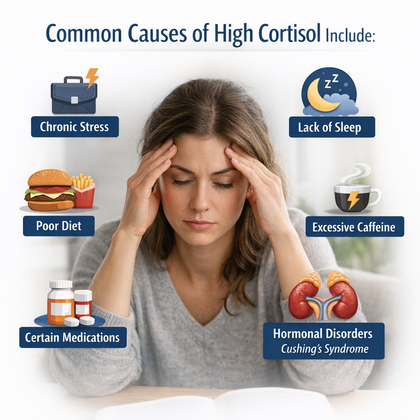
Your lifestyle choices play an important role in causing high cortisol.
Potential Effects of Long-Term High Cortisol
If cortisol levels remain high for long periods, it may contribute to various health issues.
| Possible Effect | Explanation |
|---|---|
| Weight gain | Increased fat storage, especially in the abdomen |
| High blood pressure | Cortisol influences blood pressure regulation |
| Blood sugar imbalance | Can increase risk of insulin resistance |
| Hormonal disruption | May affect reproductive hormone balance |
| Weakened immunity | Chronic stress can impair immune function |
How to Support Healthy Cortisol Levels
Lifestyle changes may help support balanced cortisol levels.
Helpful strategies include:
- Managing stress through meditation or relaxation techniques
- Getting 7 to 9 hours of quality sleep
- Maintaining regular physical activity
- Eating a balanced diet
- Limiting excessive caffeine intake
- Practicing mindfulness or yoga
If symptoms persist, medical evaluation may be necessary.
When Should You See a Doctor ?
You should consider consulting a healthcare professional if you experience:
- Severe fatigue or unexplained weight gain
- Persistent mood changes
- Irregular menstrual cycles
- Chronic sleep problems
- Frequent infections
A doctor may recommend tests to evaluate hormone levels and adrenal function.
Final Thoughts
Cortisol is an important hormone that helps the body manage stress and maintain balance. However, when cortisol levels remain high for long periods, they may cause a variety of physical and emotional symptoms.
Many women overlook these warning signs because they are often mistaken for everyday stress or fatigue. Recognizing the symptoms early can help individuals take steps to support their health and restore hormonal balance.
Frequently Asked Questions (FAQs)
What are the main symptoms of high cortisol in females?
Common symptoms include weight gain, fatigue, mood changes, sleep problems, irregular periods, and weakened immunity.
Can stress cause high cortisol levels?
Yes. Chronic stress is one of the most common causes of elevated cortisol levels.
How can I naturally lower cortisol levels?
Stress management, regular exercise, quality sleep, and a balanced diet may help support healthy cortisol levels.
Does high cortisol affect menstrual cycles?
Yes. Elevated cortisol can interfere with reproductive hormones and may cause irregular or missed periods.
References
- National Institutes of Health (NIH) (High cortisol levels)
- Cleveland Clinic (Cortisol and Stress)
- Mayo Clinic (Cushing Syndrome)
- Medical News Today (High Cortisol Symptoms)


Member discussion