


Pregnancy is known to be the best feeling for a woman entering motherhood but in reality it comes with a lot of struggles and pain that women have to face every day. Pregnancy comes with insomnia which makes the women more exhausted throughout the day. So, if you find yourself wide awake at 2 a.m. despite feeling exhausted, you’re not alone. Studies suggest that up to 78% of pregnant women experience sleep disturbances, with insomnia being one of the most common complaints.
What Is Pregnancy Insomnia?
Pregnancy insomnia refers to difficulty falling asleep, staying asleep, or waking too early and not being able to fall back asleep during pregnancy. It can occur at any stage but is especially common in the first and third trimesters.
While occasional sleepless nights are normal, persistent insomnia can leave you feeling drained during the day and emotionally overwhelmed.
Causes of Pregnancy Insomnia
Several physical, hormonal, and emotional changes contribute to disrupted sleep during pregnancy.
1. Hormonal Changes
Pregnancy triggers a surge in hormones like progesterone and estrogen. Progesterone can make you feel sleepy during the day, but it may also disrupt nighttime sleep cycles.
2. Physical Discomfort
As your body changes, comfort becomes harder to find:
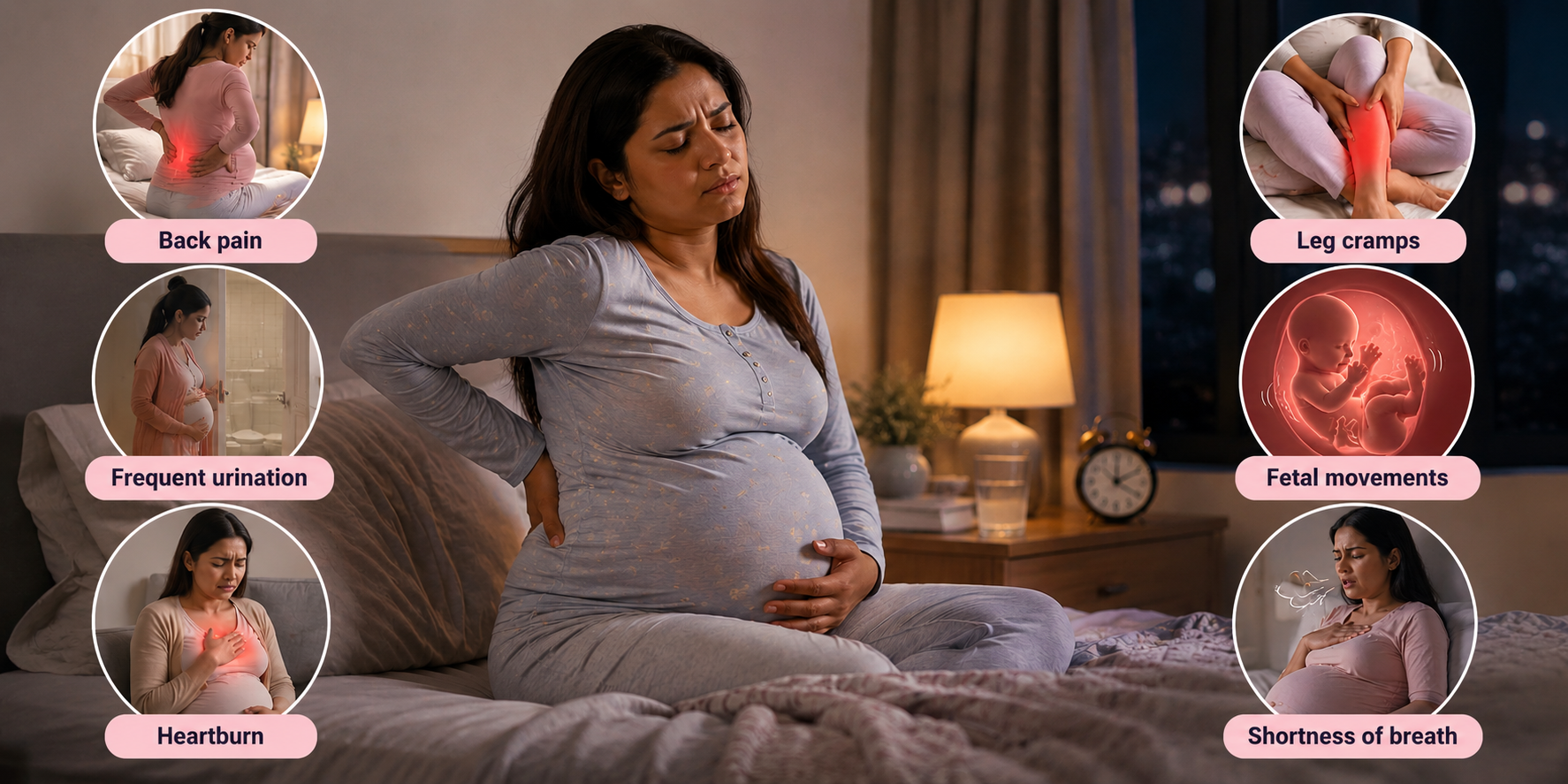
These symptoms are especially common in the third trimester.
3. Nausea and Vomiting
Morning sickness which is often linked to increased levels of hCG (human chorionic gonadotropin) that can interfere with both nighttime sleep and daytime rest.
4. Anxiety and Emotional Changes
Worries about labor, parenting, finances, or health can keep your mind racing at bedtime. Emotional shifts during pregnancy are common and can intensify insomnia.
5. Restless Legs Syndrome (RLS)
RLS affects an estimated 15-30% of pregnant women, particularly in the third trimester. It causes uncomfortable sensations in the legs and an urge to move them, especially at night.
6. Sleep Apnea
Pregnancy-related weight gain and nasal congestion can increase the risk of obstructive sleep apnea, which disrupts breathing during sleep.
Symptoms of Pregnancy Insomnia
Pregnancy insomnia may include:
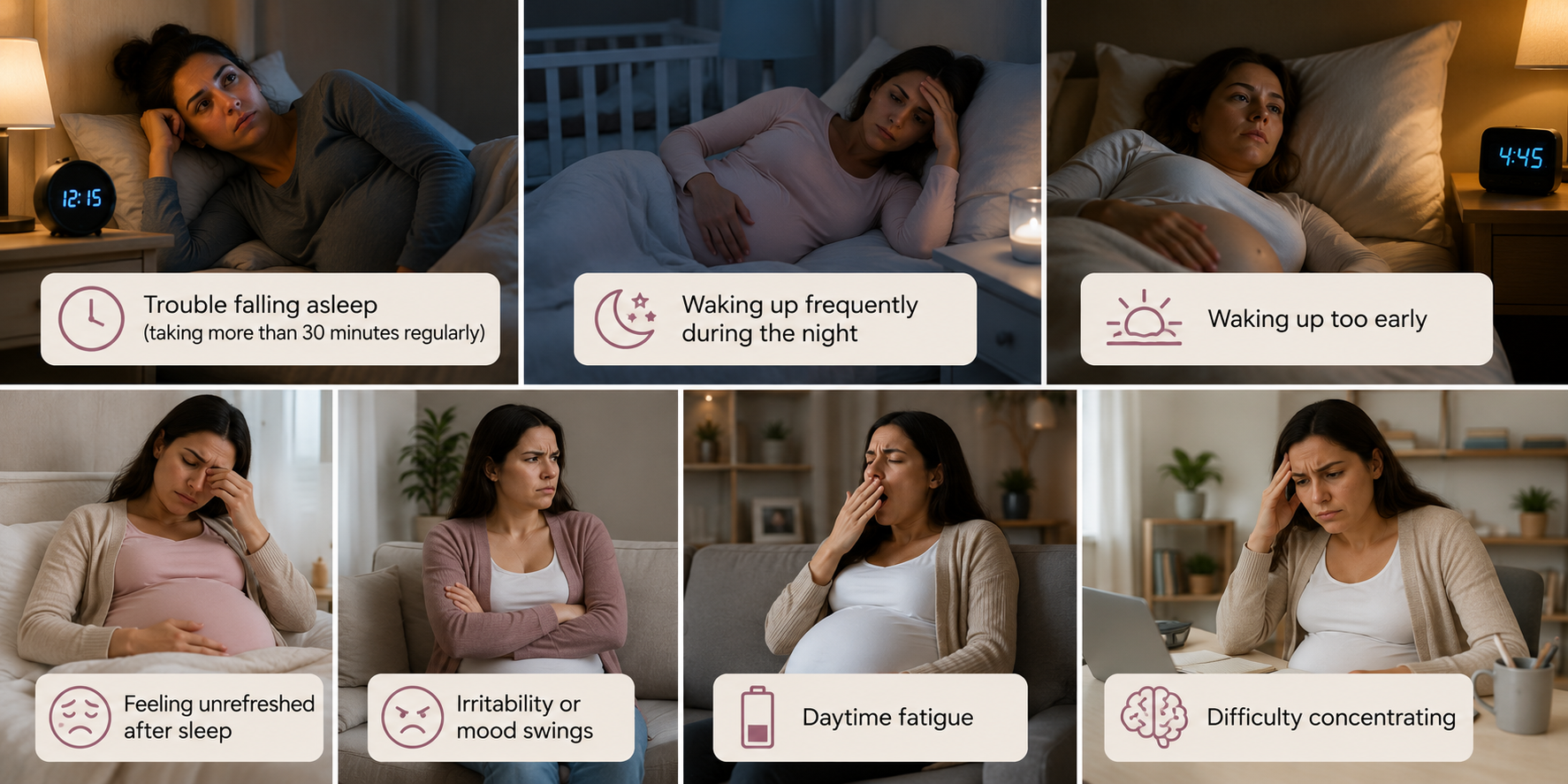
If sleep problems occur at least three times a week for several weeks, it may be considered chronic insomnia.
Is Pregnancy Insomnia Harmful?
Occasional sleep loss is common and usually not harmful. However, persistent poor sleep during pregnancy has been linked to:
- Increased risk of gestational diabetes
- Higher rates of prenatal depression and anxiety
- Elevated blood pressure
- Longer labor duration in some cases
This doesn’t mean insomnia will cause complications but managing sleep health is an important part of prenatal care.
Safe Treatment Options for Pregnancy Insomnia
Because medication safety is a major concern during pregnancy, treatment typically focuses on non-drug approaches first.
1. Improve Sleep Hygiene
Small changes can have a big impact:
- Go to bed and wake up at the same time daily
- Create a dark, cool, quiet sleep environment
- Avoid screens at least 1 hour before bed
- Limit caffeine, especially after noon
- Use pillows for support (pregnancy pillows can help align hips and back)
2. Practice Relaxation Techniques
- Deep breathing exercises
- Prenatal yoga
- Meditation or guided imagery
- Progressive muscle relaxation
These techniques help calm the nervous system and prepare the body for sleep.
3. Cognitive Behavioral Therapy for Insomnia (CBT-I)
CBT-I is considered the first-line treatment for chronic insomnia, including during pregnancy. It helps identify negative sleep patterns and replace them with healthier behaviors. Research shows CBT-I can significantly improve sleep without medication risks.
4. Light Physical Activity
Regular, moderate exercise (such as walking or prenatal yoga) can improve sleep quality. Avoid vigorous exercise close to bedtime.
5. Manage Physical Symptoms
- For heartburn: avoid large meals before bed and elevate your head slightly
- For leg cramps: gentle stretching before bed
- For frequent urination: reduce fluids 1-2 hours before sleep (while staying hydrated during the day)
6. Medication: Proceed With Caution
Some over-the-counter sleep aids contain antihistamines like diphenhydramine. While sometimes used in pregnancy, they should only be taken under medical supervision.
Melatonin supplements are commonly marketed for sleep, but there is limited research on their safety in pregnancy. Always consult your healthcare provider before taking any sleep medication or supplement.
When to Talk to Your Doctor
Seek medical advice if you experience:
- Severe or persistent insomnia
- Loud snoring or gasping during sleep (possible sleep apnea)
- Symptoms of depression or anxiety
- Restless legs that interfere with daily life
Your provider can screen for underlying conditions and recommend safe treatment options.
Final Thoughts
Pregnancy insomnia can feel frustrating and isolating but it’s extremely common. Your body is doing remarkable work, and sleep disruptions are often part of that process. The good news? Most cases improve after delivery, especially once hormones stabilize. In the meantime, focusing on healthy sleep habits, relaxation, and open communication with your healthcare provider can help you rest more comfortably.

Just as pregnancy insomnia can catch women off guard, other lesser-known reproductive health experiences, such as a decidual cast, can be equally surprising.
FAQ's
Is insomnia normal during pregnancy?
Yes. Insomnia is very common during pregnancy. Research shows that up to 3 out of 4 pregnant women experience some type of sleep disturbance, especially in the first and third trimesters. Hormonal changes, physical discomfort, and emotional stress all play a role.
When does pregnancy insomnia usually start?
It can begin as early as the first trimester due to hormonal shifts and nausea. For many women, it becomes more noticeable in the third trimester when physical discomfort, frequent urination, and fetal movement increase.
Can pregnancy insomnia harm my baby?
Occasional sleepless nights are unlikely to harm your baby. However, chronic poor sleep has been associated with increased risks such as gestational diabetes, high blood pressure, and prenatal depression. If insomnia is severe or persistent, it’s important to speak with your healthcare provider.


Member discussion