


Blue waffle is slang used on social media which falsely got famous. The internet spread false information that it is linked to an infection which causes the vulva to turn blue and infection after getting physically involved. But the truth as it is not a medically recognised term and the condition is not real but yeast infection is real.
Vaginal itching, burning, or unusual discharge can feel uncomfortable and sometimes even embarrassing to talk about. But these symptoms are common and can be because of yeast infection, medically known as vaginal candidiasis. The good news? It’s usually treatable. The important part is knowing when it’s a simple infection and when it needs medical attention. So, let's know more about it.
Important Facts about Yeast Infection
| Feature | Details |
|---|---|
| Medical Name | Vaginal candidiasis |
| Cause | Overgrowth of Candida fungus |
| Common Symptoms | Itching, burning, redness, thick white discharge |
| Is it an STI? | No, but sexual activity can increase risk |
| Who Can Get It? | Most people assigned female at birth at some point in life |
| Treatment | Antifungal creams, suppositories, or oral medication |
| When to See a Doctor | First-time symptoms, pregnancy, diabetes, or recurring infections |
What Is a Yeast Infection?
A yeast infection is a fungal infection that affects the vagina and the vulva (the outer vaginal area). It happens when there is an overgrowth of a fungus called Candida, which normally lives in small amounts in the vagina.
According to the Centers for Disease Control and Prevention (CDC), vaginal candidiasis is common and affects many women at least once in their lifetime.
It is not classified as a sexually transmitted infection (STI). However, sexual activity can increase the risk in some cases, especially oral-genital contact.
Common Symptoms of a Yeast Infection
The most common signs include:
- Itching and irritation in the vagina and vulva
- A burning sensation, especially during urination or intercourse
- Redness and swelling of the vulva
- Pain and soreness
- Thick, white vaginal discharge that looks like cottage cheese which either have little odor or no odor
It’s important to note that redness may be harder to see on darker skin tones but swelling, irritation, and discomfort are still present.
What Causes Yeast Infections?
The vagina naturally maintains a balance of yeast and bacteria. A healthy bacterium called Lactobacillus helps prevent overgrowth of yeast. But certain factors can disrupt this balance:
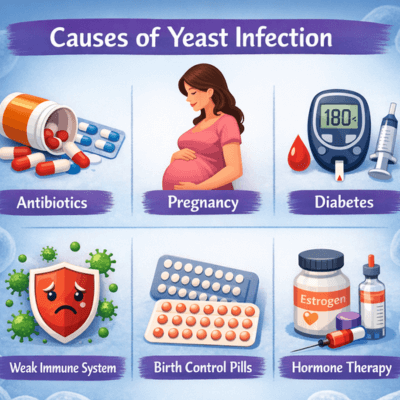
Is It Always Related to Sex?
Having fungal infection in vagina is not always related to sex. You can develop a yeast infection even if you are not sexually active. However, having sexual activity may increase the chances of infection due to changes in the vaginal environment.
It’s important not to assume every vaginal infection is sexually transmitted.
When Should You See a Doctor?
Make sure you visit healthcare professionals if:
- This is your first time experiencing symptoms
- You’re unsure whether it’s a yeast infection
- Symptoms don’t improve after using over-the-counter antifungal treatments
- You experience unusual symptoms such as fever or pelvic pain
- You are pregnant or diabetic
Proper diagnosis is important because bacterial vaginosis and other infections can have similar symptoms but require different treatments.
Final Thoughts
Yeast infections are common, treatable, and usually not serious. But ignoring the factor of experiencing them again and again with severe symptoms can lead to many vaginal issues, so it’s important if you get it checked from a healthcare professional.
There’s no shame in vaginal health concerns. Awareness is empowerment.
 Himani Thakur
Find out whether Blue Waffle is a real condition or just an online rumor. Read More: Blue Waffle
FAQs
Is yeast infection and STI the same?
No, both are different and need different treatment.
Can yeast infection cause HIV?
No, yeast infection is common and can happen to anyone. But having physical relationships can make the condition worse sometimes.
References
1. Centers for Disease Control and Prevention (CDC). (2023). Vaginal Candidiasis.
2. Mayo Clinic. (2023). (Yeast infection (vaginal): Symptoms and causes).
3. Office on Women’s Health, U.S. Department of Health & Human Services. (2022). Vaginal yeast infections.


Member discussion