


A decidual cast occurs when the entire uterine lining sheds out at once in a piece. It's uncommon, and most women who have experienced it have never heard of it before.
Fortunately, it's not dangerous. The time you get to know what it is and why it happens, the fear will go away. In this guide, we discuss what does a decidual cast look like, what are the causes and how to treat it.
What is a Decidual Cast?
A decidual cast occurs when the entire uterine lining (endometrium or decidua) sheds off at once in a large, solid piece during your period. Usually, during periods, the lining of your uterus sheds gradually, over days.
However, in exceptional instances, the entire lining comes out in one piece. That piece is shaped just like the shape of your uterine cavity, which is why doctors referred to it as a "cast", just like a plaster cast mould of a person's body part.
It is medically called membranous dysmenorrhea.
To date, very few cases have been reported, ranging from the ages of 9 to 41 years. It's really rare, but it happens, and if you know what is a decidual cast, then it will not create severe panic for you.
What Does a Decidual Cast Look Like?
This question is mostly searched by every woman going through it, and why not? The presentation may be scary.
- The decidual cast is typically composed of tissue, mucus and blood and is red or pink in colour.
- You can notice it's fleshy and looks like a raw hamburger.
- It is larger than usual period clots and slightly softer.
- Its shape is like your Uterus, which is like a light bulb or cone.
Most confirmed cases report that the approximate decidual cast size is just that of a palm, or that of a walnut/small lime. It comes in one solid piece, not in chunks. This explains why it's unique and more alarming than a large clot during a period.
What Are the Symptoms of a Decidual Cast?
The decidual cast symptoms typically occur before tissue passes. Common signs include:
- Severe cramping, which is more than normal period cramping.
- A pressure in the pelvic area, heaviness or some kind of pressure like something is pushing downwards.
- Excessive Vaginal bleeding before or during the tissue passes from the vagina.
- Lower back pain.
- Nausea occurs in some cases.
What Causes a Decidual Cast?
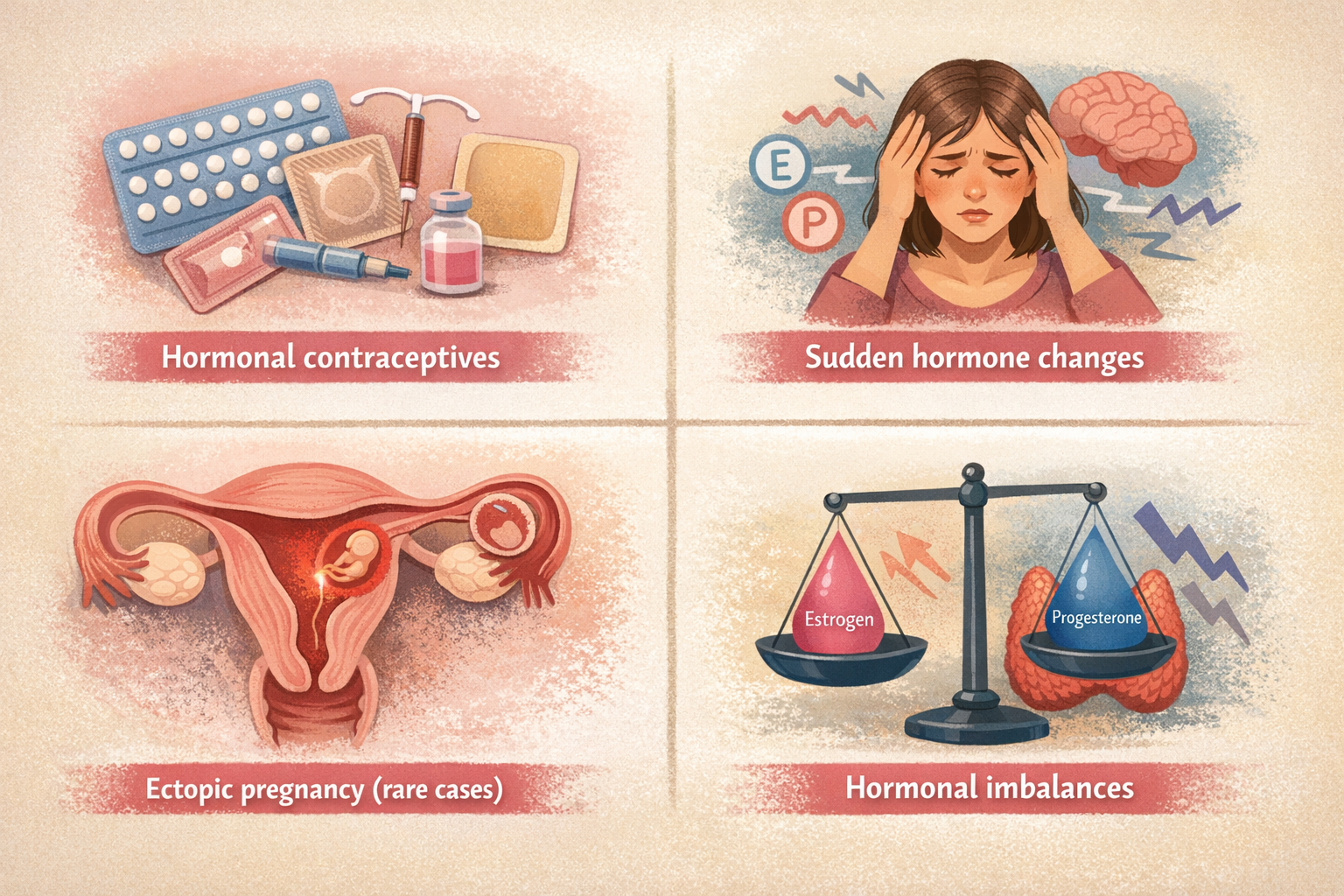
Doctors are not fully sure why decidual casts happen. However, studies have identified some common causes:
Hormonal contraceptives: This is the most common and might be connected with hormone contraceptives containing progesterone, as doctors believe. Some changes in periods and decidual cast occur after stopping birth control pills, hormonal injections or a hormonal IUD. It can change the building and shedding of the uterine lining sometimes, because the shedding happens in one go.
Ectopic pregnancy: A decidual cast is most common in pregnant women who experience an ectopic pregnancy, when a pregnancy occurs outside of the uterus. During an ectopic pregnancy, the lining of the uterus continues to thicken in response to the pregnancy hormones and may shed as a cast, even if the fetus is not in the uterus.
Progesterone imbalance: Where the progesterone level decreases before menstruation, the lining can peel off all at once instead of over time.
Stress and lifestyle changes: Stress and lifestyle changes may impact the production of hormones and cause abnormal shedding patterns.
Other conditions: In rare cases, uterine polyps, reproductive tract infections or endocrine disruptors can be causes of abnormal shedding.
Decidual Cast vs Miscarriage - How to Tell the Difference?
It's one of the most crucial differences you should know. A decidual cast doesn't mean that the baby has been miscarried, but it can be quite similar. The cramping, heavy bleeding, and the passing of large pieces of tissue everything feels the same.
The main difference here is that a miscarriage is composed of pregnancy tissue, whereas a decidual cast only consists of the uterine lining. But it's not possible to distinguish by seeing only. If you are pregnant, call your doctor right away and get a pregnancy checkup done.
How Is a Decidual Cast Treated?
In most cases, it does not require a specific decidual cast treatment. After the passage of the tissue, the pain goes away, and the body heals itself. However, your doctor may recommend:
- Pain relief- ibuprofen or prescribed pain medicines during the episode.
- Warm compress- on the lower side of the abdomen to ease cramps.
- Follow-up ultrasound to check and confirm the uterus is clear.
- Hormonal review- if the cause is related to your contraceptive type, then your doctor. may suggest switching to a different type of contraceptive.
- Investigation of the underlying cause- especially if it happens more than once.
When to See a Doctor Immediately
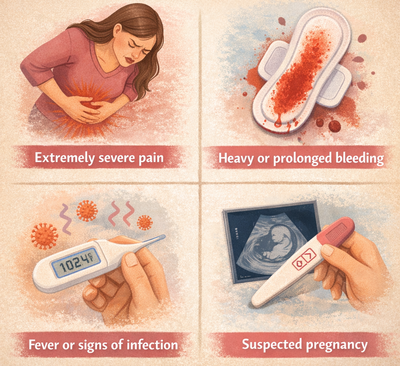
See a doctor right away if you experience:
- Passing a big piece of tissue and thinking of it as an ectopic pregnancy or miscarriage.
- If you have any of these symptoms, the first thing to do is to visit your doctor.
- Heavy bleeding that requires more than one pad an hour
- Persistent pain that won't go away once the tissue has passed
- Fever, chills or foul-smelling discharge with tissue
- Recurring symptoms in more than a cycle
Final Thoughts
An Unexpected decidual cast is rare, frightening and in the moment. For most women, it is one out of ten who have this experience that is not dangerous. The key points are: rule out pregnancy first, get medical advice for decidual cast diagnosis, and follow-up with an ultrasound to ensure that the uterus is empty. Once and if you are NOT pregnant, you probably have no problem. If it returns or if you experience any of the warning signs listed above, don't delay, seek your gynaecologist and follow her advice right away.
This guide will make you aware of the facts like what a decidual cast is, what does a decidual cast look like and why it happens. You should know about this, and with this, you can also educate many others.
Frequently Asked Questions
What does a decidual cast look like?
It's a big, soft, red or pink mass, which has the shape of your uterine cavity, which looks like a cone or a light bulb. Most reports indicate it is around the size of a walnut, a small lime or the size of a palm. Much bigger and more organized than a standard period clot.
Is a decidual cast the same as a miscarriage?
No. Uterine lining Shedding also called decidual cast and pregnancy tissue are not the same. The symptoms are the same, though, so if you think you may be pregnant, take a test and go to a doctor right away to rule out an ectopic pregnancy.
Is a decidual cast dangerous?
No, for most people. Research indicates that there are no long-term health consequences after passing a decidual cast. But it may be indicative of an ectopic pregnancy (medical emergency), so it is always best to get checked if you may be pregnant.
Does a decidual cast mean I have a fertility problem?
Not necessarily. A majority of women who pass a decidual cast do not have any other fertility issues, and if it is a single occurrence. If it occurs frequently, consult a gynaecologist who will be able to determine the underlying cause.
How long does pain last with a decidual cast?
It is usually very painful, and you get severe cramps in the pelvis for several hours prior to the time the tissue passes. As the cast is removed from the body, decidual cast pain level typically subsides very quickly. If the pain does not go away after passing the tissue, consult a physician.
Can I have a decidual cast without being pregnant?
Yes. Non-pregnant women may also have decidual casts, especially when taking hormone contraceptives that affect the amount of progesterone. Any woman, not just a pregnant woman, can have it.
Should I keep the tissue if I pass a decidual cast?
It may assist your doctor in diagnosis, if possible. Put it in a clean container and bring it with you during the appointment. This is particularly important when your doctor is trying to determine the underlying cause. It's okay if you don't have it, because a pelvic ultrasound and examination will confirm what and why it happened.
Can stress cause a decidual cast?
Decidual cast is not directly caused by stress. However, stress may disturb hormones and menstrual cycles, which can indirectly create the symptoms of decidual cells. The main reason may be hormones.


Member discussion