Skin Tag Removal: Medical Treatments vs Home Remedies – What Works Best?

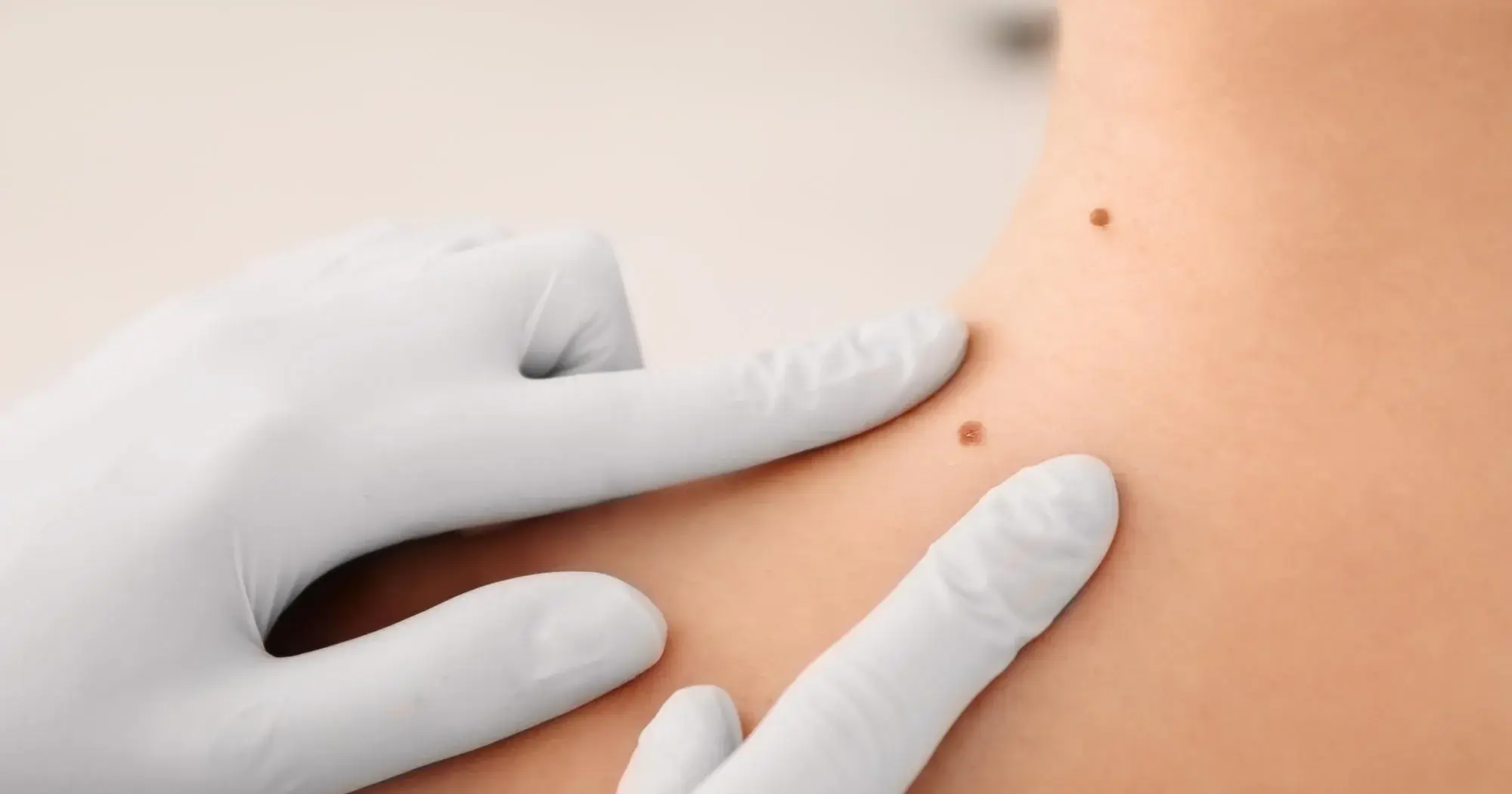
Skin tags are common, harmless growths that many people develop at some point in their lives. While they’re not dangerous, they can be annoying especially if they catch on clothing, jewelry, or appear in visible areas like the neck or face. If you’re thinking about removing one, you might be wondering, Should I see a doctor, or can I handle this at home? Let’s break it down clearly and honestly.
What Is a Skin Tag?
A skin tag (medically called an acrochordon) is a small, soft, benign growth that usually appears where skin rubs against skin, such as:
- Neck
- Underarms
- Groin
- Under breasts
- Eyelids
They’re typically flesh-colored, soft, and attached by a thin stalk. According to the American Academy of Dermatology, skin tags are very common and generally harmless.
Medical Skin Tag Removal: What Doctors Do
If you visit a healthcare provider, removal is usually quick and straightforward. Here are the most common medical treatments:
1. Snip Excision (Cutting)
A doctor uses sterile scissors or a scalpel to remove the skin tag. This is often done with local anesthesia for comfort.
Best for: Larger skin tags
Pros: Immediate removal, minimal recurrence
Cons: Minor bleeding possible
2. Cryotherapy (Freezing)
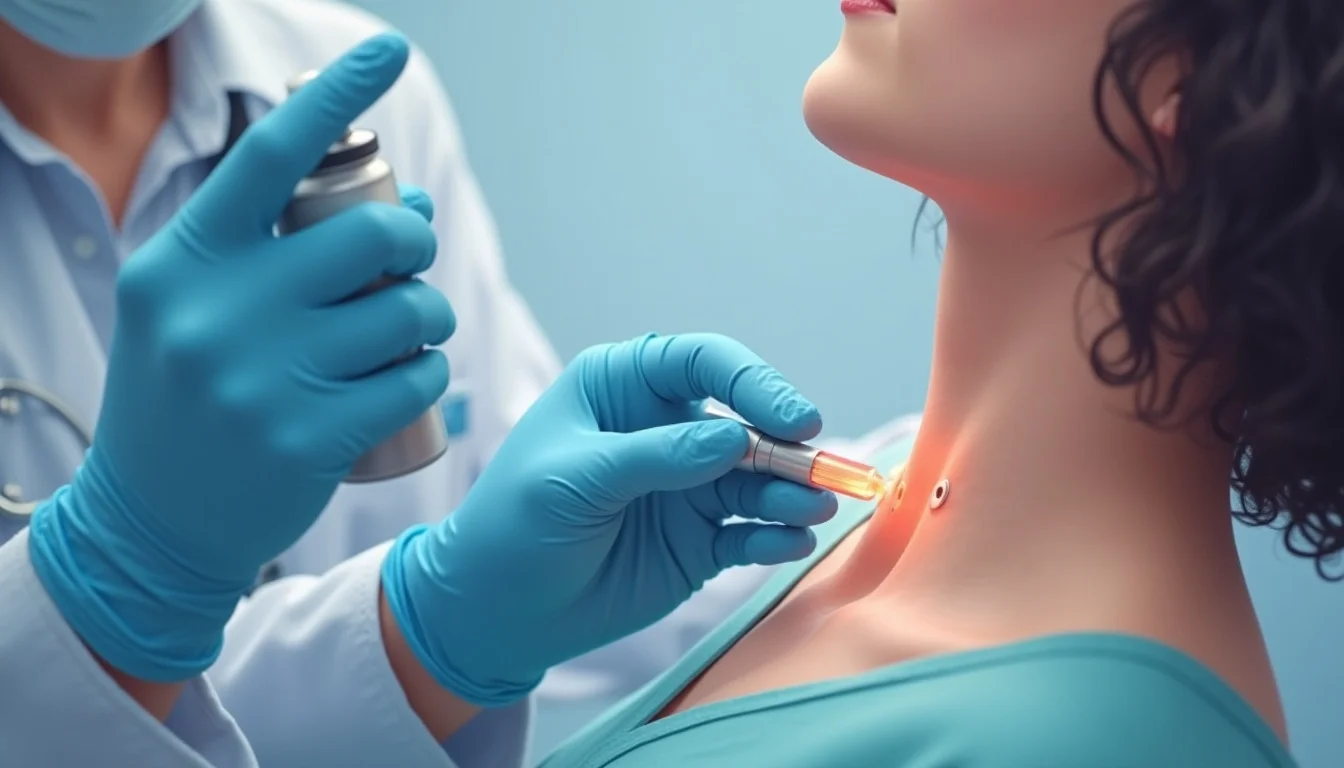
Liquid nitrogen is applied to freeze the skin tag, causing it to fall off within days.
Best for: Small to medium tags
Pros: Quick procedure
Cons: May require repeat treatment
3. Cauterization (Burning)
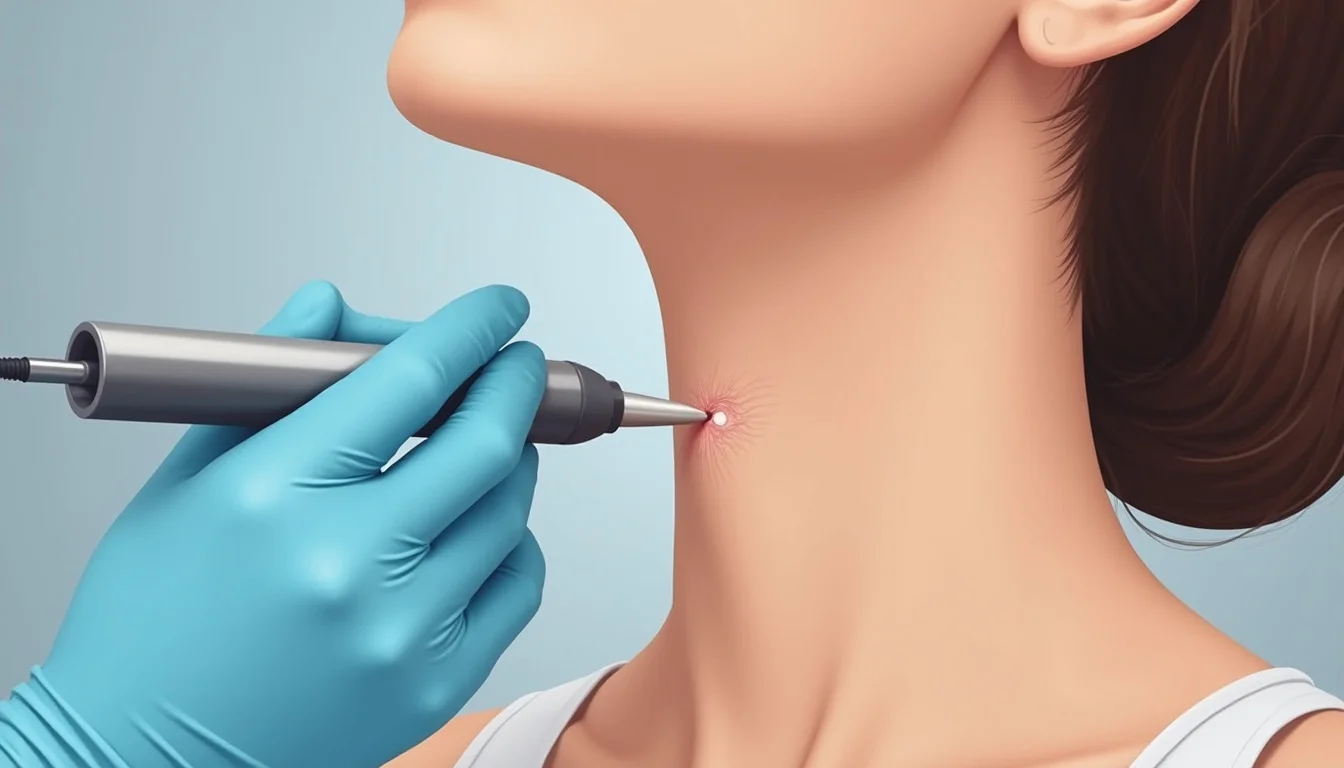
Heat is used to burn off the skin tag and seal blood vessels.
Best for: Small tags
Pros: Minimal bleeding
Cons: Mild discomfort possible
Why Medical Removal Is Safer
Medical professionals:
- Confirm it’s actually a skin tag (not another condition)
- Use sterile instruments
- Control bleeding
- Reduce infection risk
- Ensure proper healing
The Skin Cancer Foundation advises that any new or changing growth should be evaluated before removal to rule out more serious conditions.
Home Remedies: Do They Really Work?
You may see online suggestions such as:
- Tying off the tag with dental floss
- Applying apple cider vinegar
- Using over-the-counter freezing kits
- Tea tree oil
Let’s talk realistically about these.
1. Tying Off (Ligation)
This method involves cutting off blood supply by tying string tightly around the base.
Risk:
- Pain
- Infection
- Incomplete removal
- Incorrect diagnosis
This method should only be done if a medical professional confirms it’s a true skin tag and shows you how.
2. Apple Cider Vinegar
Some claim it “burns off” the tag.
Reality:
There is no strong scientific evidence supporting this method. It may irritate or burn surrounding healthy skin.
3. Over-the-Counter Freezing Kits
These are marketed for warts and may not reach the freezing temperature used in clinical cryotherapy.
Risk:
- Skin damage
- Incomplete removal
- Misdiagnosis
4. Tea Tree Oil
There is limited scientific evidence proving it effectively removes skin tags. It may cause skin irritation or allergic reactions.


Consult a dermatologist
When You Should NOT Try Home Removal
Avoid home treatment if the skin tag is:
- On the eyelid
- On the genitals
- Large
- Bleeding
- Painful
- Dark or irregular in color
- Rapidly growing
In these cases, medical evaluation is strongly recommended.
Cost Considerations
Medical removal may cost more than home remedies, especially if considered cosmetic and not covered by insurance. However, it provides:
- Proper diagnosis
- Safer procedure
- Lower risk of complications
Sometimes peace of mind is worth the cost.
So, What Works Best?
Medical removal is the safest and most effective option. Home remedies may work in some cases, but they carry higher risks and lack strong scientific backing. If you’re unsure whether the growth is truly a skin tag, always consult a healthcare provider before attempting removal.
Q1. Are skin tags dangerous?
No, skin tags are generally harmless, benign growths and do not turn into cancer. They are mostly a cosmetic concern or may cause irritation if rubbed by clothing or jewelry.
Q2. Can I remove a skin tag at home?
While some home remedies exist, such as tying off the tag or using apple cider vinegar, these methods carry risks like infection, pain, or improper removal. It’s safest to have a healthcare provider evaluate and remove skin tags.
Q3. What medical treatments are available for skin tag removal?
Common medical treatments include snip excision (cutting), cryotherapy (freezing), and cauterization (burning). These procedures are quick, safe, and performed under sterile conditions.
Some skin changes, such as discoloration or patches, may indicate other conditions—learn more in our detailed guide on White Spots in The Skin: Causes And Treatments.References
- American Academy of Dermatology. Skin Tags. – American Academy of Dermatology
- Cleveland Clinic. Skin Tags: Causes and Removal. – Cleveland Clinic
Frequently asked questions
What is the best way to remove a skin tag?
The safest, most effective removal is done by a clinician using cryotherapy (freezing), snipping, or cautery (burning). These methods are quick, sterile, and reduce scarring and infection risk.
Do home remedies for skin tags work?
Some, like over-the-counter freezing kits, may work on small tags, but many home methods are ineffective or risky. Cutting or tying off a tag yourself can cause bleeding, infection, or scarring.
Is skin tag removal painful?
Medical removal is usually quick with minimal discomfort, sometimes with local numbing. Any soreness afterward is typically mild and brief.
Will a removed skin tag grow back?
A properly removed skin tag doesn't grow back in the same spot, but new tags can form elsewhere, especially in skin folds or with weight gain.
When should I see a doctor instead of removing it at home?
See a doctor if the growth is large, bleeding, changing color, or painful, or if you're unsure it's a skin tag. Never remove a growth at home if you can't confirm what it is.