What is the best treatment for hair loss?
I've noticed a lot of hair fall recently, and it's making me really worried. I've tried home remedies, but they don't seem to be working. What's the most effective treatment for hair loss?
Hair loss is so common. Getting your blood work done can really help pinpoint the cause.
My dermatologist explained that hair loss treatment varies greatly depending on the cause, which can range from genetics (androgenic alopecia) to nutritional deficiencies, stress, or hormonal imbalances like thyroid issues. Treatments might include topical minoxidil, oral finasteride, PRP therapy, or addressing underlying medical conditions. A proper diagnosis from a specialist is absolutely essential before starting anything.
Hair fall, beta, it happens. Our elders always said to oil your hair regularly with warm coconut oil or almond oil, and eat good, nutritious food. Sometimes, stress makes it worse. But if it's too much, then it's best to show it to a doctor, they might find a reason. Home remedies are good for nourishing, but not for serious problems.
For hair loss, checking your thyroid levels is super important, especially for women. I had significant hair fall due to an undiagnosed thyroid issue. Once my thyroid was managed, my hair started to improve. So, along with seeing a dermatologist, make sure your general physician checks your hormones and other deficiencies. Regular follow-ups are key.
Yaar, hair fall is like my biggest nightmare, actually. I tried everything, from expensive shampoos to hair masks. But honestly, what helped me was getting blood tests done, turns out I was low on Vitamin D. And then the doc suggested some specific hair growth serums. Don't just follow random tips, get it checked by a specialist, na?
If you have diabetes, managing your blood sugar strictly is essential for overall health, and that includes hair health. Uncontrolled diabetes can affect circulation and nutrient delivery, leading to hair loss. So, alongside dermatologist advice, make sure your diet and medication are consistently keeping your blood glucose in check. Healthy body, healthy hair.
Hair loss can be really distressing, I know. First, don't panic. It's often treatable. Make sure you're eating well and managing stress. Then, please go see a dermatologist. They can properly diagnose if it's due to diet, hormones, or something else, and prescribe suitable treatment like medication or specific hair care routines. You'll figure it out.
For hair loss, I've heard grandmothers swear by onion juice masks or fenugreek paste. They can definitely help with scalp health and strength. But if your hair fall is excessive or sudden, or you see bald patches, please don't just rely on home remedies. That's when you absolutely need to see a dermatologist to rule out underlying medical conditions. Natural tips are great, but safety first.
For hair loss, see a trichologist or dermatologist. They'll likely do a scalp analysis and blood tests. Common treatments include minoxidil, finasteride, or PRP. Lifestyle plays a role too – diet, stress management, and proper hair care. No magic bullet, just consistent, doctor-supervised treatment.
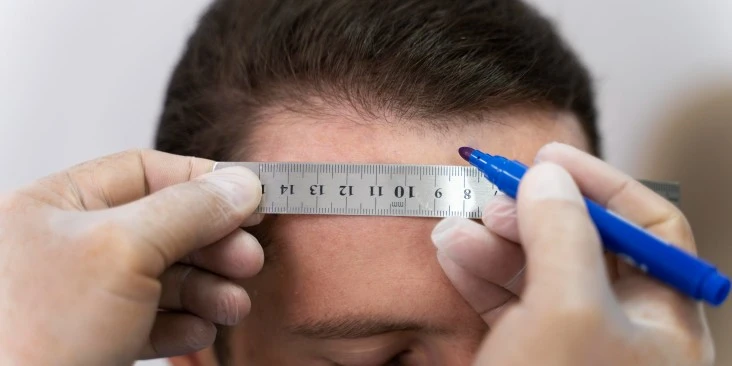
Understand what causes a receding hairline, how to spot early changes, which treatments may help, and how...
Learn how to fix frizzy hair with simple hair care tips. Discover the causes of frizz and easy ways to ma...
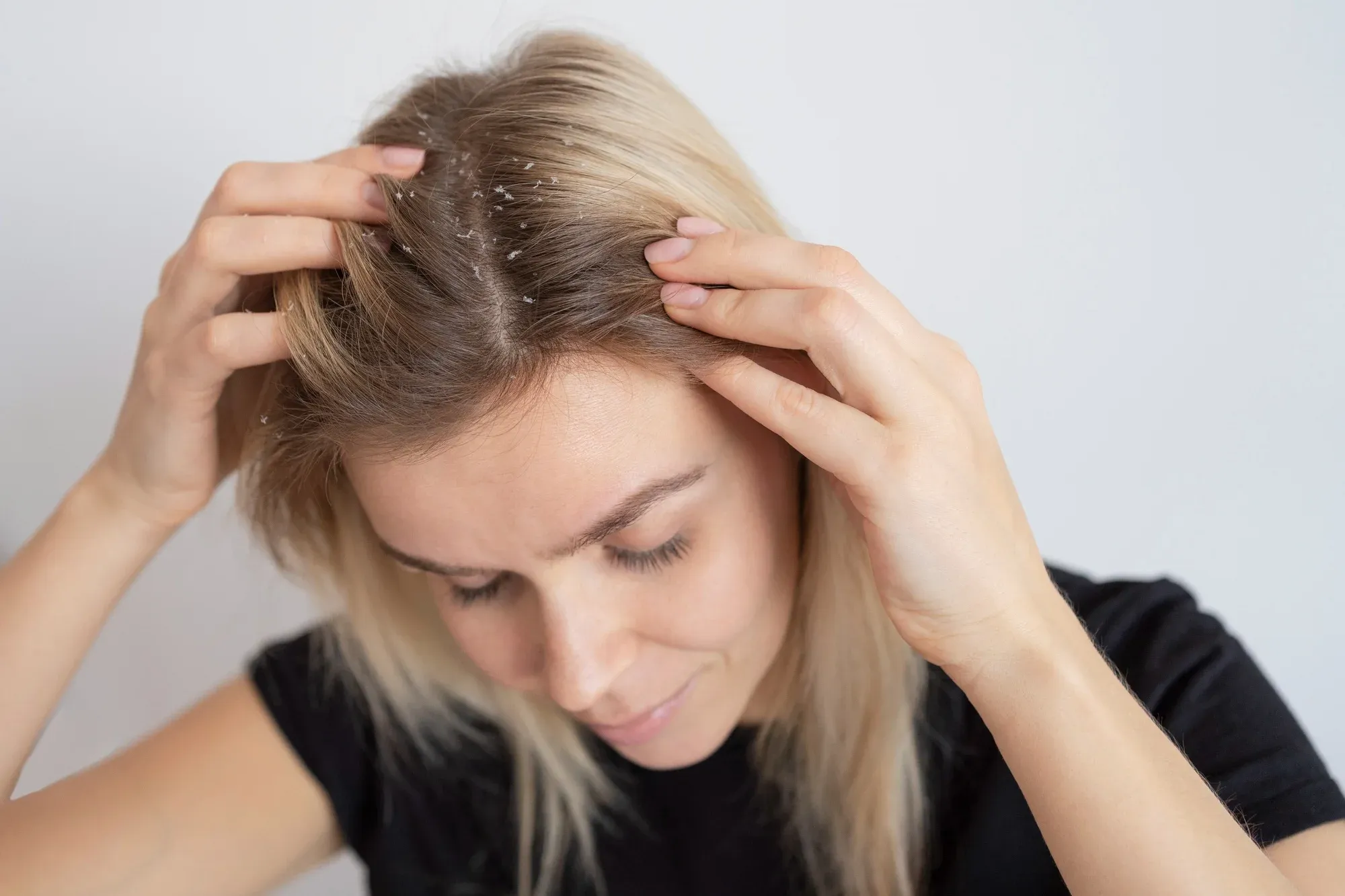
Dry scalp vs Dandruff can be confusing as both cause itchiness and flaking of the scalp. This guide will ...
Nowadays everyone is talking about batana oil and its magical benefits over social media. But what exactl...
Regular exercise and good blood circulation are beneficial for overall health, including hair. If your doctor clears it, activities like brisk walking or jogging can help. Also, ensure your diet is protein-rich as hair is mostly protein. But for actual hair loss treatment, you need a dermatologist to figure out the root cause and prescribe targeted solutions.
I actually track my sleep and stress levels with my smartwatch, and notice that when they're off, my hair health suffers. For direct treatment, a dermatologist's guidance is best. They can recommend specific shampoos, serums, or even medical procedures. Also, ensure your diet is rich in proteins and vitamins – I use a nutrition tracker for that.
Hair loss is something I hear about all the time, for both men and women. It seems like there are so many reasons for it, from genetics to stress. I wonder how people figure out what's causing theirs. It sounds like you really need a professional to get to the bottom of it, rather than just trying random products.
Get the Zerunio health brief
Evidence-based health, reviewed by clinicians. Free, weekly.
Enter your phone number – we’ll text you a one-time code.