Receding Hairline: Early Signs, Causes, Treatments, and What Actually Helps

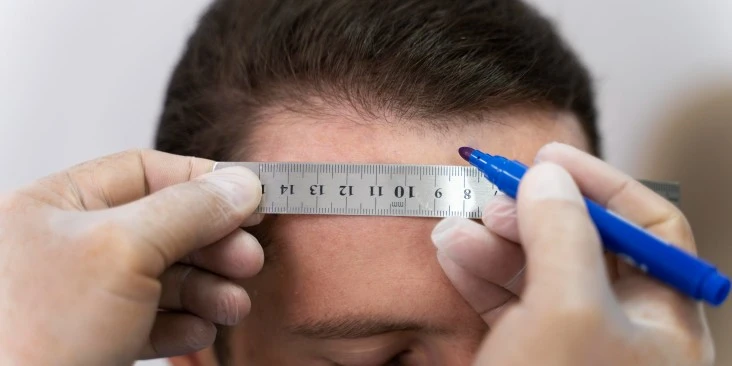
Have you ever looked at an old photograph and felt that your hairline used to sit lower on your forehead? Perhaps the corners near your temples look thinner, or your hairstyle no longer covers the same areas as before. These small changes can make you wonder whether your hair is starting to fall out. You might actually be dealing with a receding hairline
A receding hairline means the hair along the front of your scalp is moving backward or becoming less dense. It often develops slowly, so you may not notice the change until you compare photographs taken several months apart.
Genetics is a common reason, but it is not the only one. Tight hairstyles, certain scalp conditions, hormonal changes, and temporary hair shedding can also affect the hair around your forehead. Some causes can be treated. The right approach depends on what is happening to your hair follicles, how long the problem has been present, and whether the follicles are still able to grow hair.
This article explains how to recognize a receding hairline, understand its possible causes, compare treatment options, and avoid spending money on products that may not help.
What Does a Receding Hairline Look Like?
A receding hairline changes the outline of the hair at the front of your head. The change may be easy to see, or it may happen so gradually that only older photographs reveal it. Here are a few patterns to look for.
Thinning temples: The hair at the left and right corners of your forehead becomes less dense.
An M-shaped hairline: The corners move backward while the middle section stays farther forward.
A wider forehead: More skin becomes visible above the eyebrows because the front hairline has changed.
Finer hair near the front: Some strands become shorter and thinner than the hair behind them.
Changes around the crown: In hereditary hair loss, thinning may also develop on the top or back of the scalp.
Not every high forehead means hair loss. Some people naturally have a high hairline, while others develop a slightly more mature hairline after puberty. What matters is whether your hairline is changing over time. You can take a clear photograph of the front and both sides of your hairline every month or two. Use similar lighting and keep your hair in the same position. This makes changes easier to compare.
Why Is Your Hairline Receding?
Several conditions can affect the hairline. They do not all need the same receding hairline treatment.
1. Hereditary hair loss
One of the most common reasons for a receding hairline is a condition called androgenetic alopecia, or hereditary pattern hair loss.
You may inherit a tendency to develop this condition from either side of your family. If your father, mother, grandparents, or siblings have pattern hair loss, your own risk may be higher.
In susceptible people, hair follicles respond to hormones such as dihydrotestosterone (DHT). Over time, the affected follicles become smaller. They begin producing finer hairs, and eventually some may stop producing visible hair.
This process usually happens gradually. In men, it often starts at the temples or crown. Women more often experience thinning across the top of the scalp, although some conditions can cause the frontal hairline to recede.
Family history can offer a clue, but it cannot tell you exactly when hair loss will begin or how far it will progress.
2. Tight hairstyles that pull on the hair
Your daily hairstyle may be contributing to the problem.
Repeated pulling can damage the hair follicles, particularly along the temples and edges of the scalp. Dermatologists call this condition traction alopecia.
It can affect people who frequently wear tight ponytails, braids, buns, extensions, or other styles that place strong tension on the roots.
Watch for these clues:
Your scalp feels sore after styling.
You notice broken hairs around your forehead.
Small bumps appear along the hairline.
The hair near the temples becomes thinner while other areas remain fuller.
If you notice these signs, reduce the tension as soon as possible. Early traction alopecia may improve when the pulling stops. Long-standing damage can cause permanent hair loss.
Changing your hairstyle is not a guaranteed cure for every receding hairline, but it can prevent further damage when traction is the cause.
3. Stress-related hair shedding
Have you noticed more hair falling out after a fever, major illness, surgery, childbirth, or a difficult period in your life?
Physical or emotional stress can trigger a condition called telogen effluvium. It causes more hairs than usual to enter the shedding phase of the hair growth cycle.
The shedding often begins a few months after the event that triggered it. You may find more hair in the shower, on your pillow, or on your hairbrush.
Unlike typical hereditary hair loss, stress-related shedding usually affects several areas of the scalp rather than only the front corners.
Hair growth often improves after the trigger has passed, although recovery takes time. If the shedding continues or your hairline keeps changing, a dermatologist can check whether another problem is present as well.
4. Hormonal changes and medical conditions
Hormones influence many body functions, including hair growth. Thyroid disorders and certain hormonal conditions can contribute to thinning.
For example, some women with polycystic ovary syndrome (PCOS) develop androgen-related hair thinning. They may also experience acne, irregular periods, or increased facial hair.
Women who notice a receding frontal hairline should also be assessed for frontal fibrosing alopecia. This condition can cause permanent hair loss along the front and sides of the scalp. Eyebrow loss, itching, redness, or a smooth-looking band of missing hair may be warning signs.
Do not assume that every receding hairline is caused by ordinary aging or hereditary baldness. Some inflammatory conditions need early treatment to protect the remaining follicles.
5. Nutritional deficiencies and restrictive diets
Hair growth requires enough energy, protein, and essential nutrients. Poor nutrition or certain deficiencies can contribute to hair shedding.
This may happen if you follow a very restrictive diet, lose weight rapidly, or have a health condition that affects nutrient absorption.
Iron deficiency is one possible factor. Depending on your symptoms and medical history, a clinician may also consider thyroid testing or other investigations.
Taking a hair supplement without checking whether you need it can be a waste of money. High doses of certain nutrients may even make hair loss worse.
A balanced diet is a sensible starting point, but it cannot reverse every form of hereditary hair loss.
6. Scalp infections and inflammatory conditions
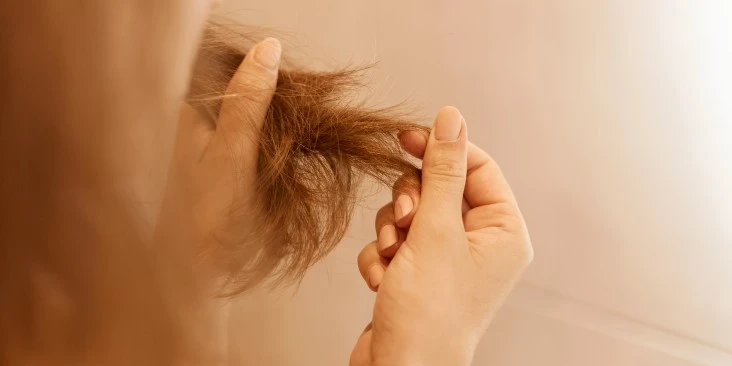
An itchy or flaky scalp does not automatically explain a receding hairline. However, certain infections and inflammatory conditions can damage hair and affect growth.
For example, a fungal scalp infection may cause scaling, broken hairs, redness, or patches of hair loss. Some inflammatory conditions damage follicles and leave areas where hair cannot grow back normally.
If your scalp hurts, burns, develops sores, or shows rapidly spreading bald patches, seek medical advice rather than trying several cosmetic products.
Can a Receding Hairline Grow Back?
Sometimes, yes. But not always.The chances depend on the reason for the hair loss.
If the problem is temporary shedding, the hair may return as the growth cycle settles. If tight hairstyles are pulling on healthy follicles, stopping that tension early may allow some recovery.
Hereditary hair loss is more difficult to reverse completely. Treatment may slow the process, preserve existing hair, or encourage some regrowth. However, a medicine that helps one person may have little effect on another.
Scarring conditions are a different concern. When inflammation destroys a follicle and replaces it with scar tissue, the hair may not grow back from that area.
This is why identifying the cause early is more useful than trying random oils, shampoos, and supplements for months.
Which Treatments Can Help a Receding Hairline?
There is no single treatment that works for every person. A product that helps hereditary hair loss may not work for hair loss caused by inflammation or repeated pulling.
The following options are commonly discussed with dermatologists.
1. Minoxidil
Minoxidil is a medicine used to treat certain forms of hair loss. Depending on the product and the person, it may help slow thinning and support new hair growth. It works best when used consistently and according to the product instructions. Results are gradual, and it may take six to twelve months to judge the benefit.
Possible side effects include scalp irritation, itching, and unwanted hair growth on nearby skin. Some people notice extra shedding when they first begin using it.
Minoxidil does not restore every lost hairline.
If it works and is useful in your case, continued use might be generally necessary to maintain the benefit. Ask a healthcare professional whether it is suitable for you, especially if you are pregnant, breastfeeding, or have a medical condition.
AVOID BLIND USAGE OF ANY MEDICINE.
2. Finasteride
Finasteride is a prescription medicine used for male-pattern hair loss. It lowers the amount of DHT produced in the body, helping protect susceptible hair follicles. Some people notice less hair loss, while others experience some regrowth. Results usually take several months, and continued treatment is generally needed.
Finasteride can cause sexual side effects and other adverse effects, including mood changes in some people. Discuss these risks with your prescriber before starting it. It also requires strict precautions around pregnancy because it can harm the development of a male fetus.
It should not be treated as a general hair supplement or taken without medical advice.
3. Hair transplantation
A hair transplant moves hair follicles from a donor area, often the back or sides of the scalp, to a thinning or bald area. It can create a fuller-looking hairline in suitable candidates.
However, the result depends on the available donor hair, the surgeon's skill, scalp health, and how hair loss progresses afterward. A transplant does not stop untreated hair elsewhere on the scalp from thinning. Some people may need additional treatment to maintain their remaining hair.
Before choosing surgery, consult a qualified hair-restoration specialist and discuss realistic results, risks, costs, and future hair loss.
4. Platelet-rich plasma (PRP)
PRP treatment uses a sample of your own blood. A machine separates the plasma, which is then injected into the scalp. Some studies suggest PRP can improve hair density in selected people with pattern hair loss. However, treatment methods differ, and evidence is still limited for some uses.
Several sessions and maintenance treatments may be needed. Ask the clinician about the expected benefit, total cost, discomfort, and uncertainty before deciding.
5. Low-level light therapy
Certain light-based devices may help some people with hereditary hair loss. These devices use specific wavelengths of light and usually require regular sessions.
Results vary, and the devices may not restore a severely receded hairline. Ask a dermatologist whether the device has suitable evidence for your type of hair loss.
6. Treatment for the underlying condition
Sometimes, the most useful treatment is directed at the cause rather than the hair itself.
For example, a clinician may treat an iron deficiency, thyroid disorder, fungal infection, or inflammatory scalp disease. People with scarring alopecia may need prescription treatment to reduce inflammation and prevent additional permanent hair loss.
Do not start several treatments at once without guidance. A clear diagnosis makes it easier to understand what is working and which side effects need attention.


Consult a dermatologist
Receding Hairline Treatment Comparison
Treatment |
Who may benefit? |
Drawback |
Minoxidil |
Selected people with hereditary hair loss |
Requires consistent use; results vary |
Finasteride |
Selected men with male-pattern hair loss |
Prescription medicine with potential side effects |
Hair transplant |
Suitable candidates with adequate donor hair |
Surgery does not prevent all future thinning |
PRP |
Some people with pattern hair loss |
Evidence and results vary; maintenance may be needed |
Light therapy |
Some people with hereditary hair loss |
Devices differ; long-term benefit is uncertain |
Cause-specific treatment |
People with a diagnosed medical or scalp condition |
Depends on the underlying diagnosis |
Treatment timelines and suitability differ from person to person. A dermatologist can help you choose an option based on your health, age, pattern of loss, and goals.
Common Beliefs About Hair Loss That Aren’t True
Hair-loss advice is easy to find online, but not all of it is reliable. Here are some common misunderstandings.
Myth 1: Hair oil can bring back a lost hairline
Hair oil can help condition the hair and reduce dryness. It cannot reliably reverse hereditary hair loss or restore follicles destroyed by scarring.
If oiling causes itching or irritation, stop using the product and seek advice if the symptoms continue.
Myth 2: Shaving your head makes hair grow thicker
Shaving cuts the hair at the skin's surface. It does not change the size of the follicles or alter the underlying cause of hair loss.
Newly shaved hair may feel rougher because the ends are blunt, but this does not mean it has become thicker.
Myth 3: Wearing a cap causes baldness
Ordinary cap use is not considered a common cause of hereditary hair loss. Repeated pulling from tight hairstyles is a different issue because it can damage follicles.
Wear comfortable headwear and avoid styles that cause constant tension or pain.
Myth 4: More vitamins mean faster hair growth
Your body needs nutrients, but taking extra vitamins will not automatically make your hair grow faster. Excess amounts of certain supplements can actually worsen hair loss.
Correct a deficiency when one is identified, rather than taking high doses without a clear reason.
Myth 5: Every receding hairline leads to complete baldness
Hair loss follows different patterns. Some people's hairlines change only slightly and remain stable, while others experience progressive thinning.
A dermatologist can assess the pattern and discuss what is likely to happen in your particular case.
Myth 6: Expensive shampoos can reverse hereditary hair loss
A shampoo may clean the scalp or improve the feel of the hair. That does not mean it can reverse the biological process that causes hereditary hair loss.
Be cautious about products that promise guaranteed regrowth within days or weeks.
How to Care for Your Hair at Home?
Everyday habits cannot change your genes, but they can help reduce damage and support healthy hair growth.
Choose gentle hair care. Use a shampoo that suits your scalp and a conditioner to reduce breakage. Avoid aggressive brushing, frequent high heat, and chemical treatments that leave your hair brittle.
Avoid constant pulling. If your ponytail or braid hurts, it is too tight. Choose a looser style, especially around the temples and front edges.
Eat enough protein. Eggs, dairy products, lentils, beans, fish, and other protein-rich foods can help meet your body's needs. Include a range of vegetables, fruits, whole grains, and other nutrient-rich foods.
Avoid crash diets. Rapid weight loss and restrictive eating can trigger shedding. If you are losing weight unintentionally or notice persistent hair loss, speak to a healthcare professional.
Manage stress realistically. Regular activity, enough sleep, and relaxing routines can support general health. They cannot guarantee that hereditary hair loss will stop.
Track changes rather than checking constantly. Take photographs every four to eight weeks under similar conditions. Daily checking can make normal variations in lighting or hairstyle seem like major changes.
If you suspect that a prescribed medicine is contributing to hair loss, ask your prescriber to review it. Do not stop it on your own.
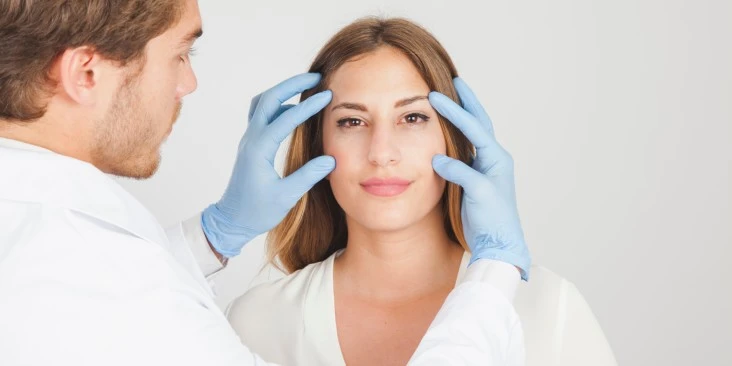
How Does a Dermatologist Diagnose Hairline Recession?
You cannot always identify the cause by looking in the mirror. Two people may have similar-looking hairlines but need very different treatments.
A dermatologist may ask when you first noticed the change, whether hair loss runs in your family, and whether you recently had an illness, changed your diet, or started a new medicine.
They may also examine your scalp and hair with a magnifying device. Depending on what they find, they might recommend blood tests or, in selected cases, a scalp biopsy.
These tests are not necessary for everyone. They are used when the history and examination suggest that more information is needed.
When Should You Seek Medical Advice?
Arrange a medical appointment if your hairline keeps moving backward or the hair near your temples becomes noticeably thinner. Seek immediate medical assessment if you notice any of these changes:
Hair loss that develops suddenly or spreads quickly.
Round bald patches or large amounts of shedding.
Pain, burning, redness, or persistent itching on your scalp.
Scaling, sores, or broken hairs with signs of infection.
Thinning eyebrows along with a receding frontal hairline.
These symptoms can point to conditions that need specific treatment. Early care is especially important when inflammation may permanently damage the follicles.
References
- Mayo Clinic. Hair loss: Symptoms and causes. · source
- American Academy of Dermatology Association. What is male pattern hair loss, and can it be treated? · source
- American Academy of Dermatology Association. Hair loss: Diagnosis and treatment. · source
- Mayo Clinic. Frontal fibrosing alopecia · source
Frequently asked questions
What causes a receding hairline?
Hereditary hair loss is a common cause. Other possibilities include tight hairstyles, hormonal changes, nutritional deficiencies, temporary shedding, and inflammatory scalp conditions.
Can a receding hairline grow back naturally?
It can in some cases, especially when the cause is temporary shedding or early traction alopecia. Hereditary hair loss usually needs ongoing management, and complete regrowth is not guaranteed.
At what age does a receding hairline start?
It can begin in the late teens or early twenties, although it often starts later. Age alone cannot tell you whether your hairline is changing normally or because of a medical condition.
Does minoxidil help a receding hairline?
Minoxidil may slow hair loss and support regrowth in some people. Results vary, and it can take six to twelve months to judge the effect. Continued use is usually needed to maintain the benefit.