What is non scarring hair loss?
I've been noticing hair loss, but there are no visible scars or patches on my scalp. I read somewhere about 'non-scarring hair loss.' Is that what I might be experiencing? What is it?
I've been noticing hair loss, but there are no visible scars or patches on my scalp. I read somewhere about 'non-scarring hair loss.' Is that what I might be experiencing? What is it?
 5 months ago
Non-scarring hair loss means your hair is falling out, but your scalp isn't damaged or scarred, so there's potential for regrowth. Things like stress, diet deficiencies, or hormonal changes can cause it. While I focus on my protein intake and workouts, addressing underlying health issues with a doctor is key for hair loss. Sometimes improving overall health helps tremendously.
5 months ago
Beta, iska matlab hai ki aapke baal jhad rahe hain, par jahan se jhad rahe hain wahan ki chamdi ko koi nuksan nahi hua hai. Yani, nishan nahi pad rahe. Aksar yeh vitamins ki kami ya chinta se hota hai. Doctor ko dikhao, shayad theek ho jaaye. Ghabrao mat.

 3 months ago
Non-scarring hair loss? That sounds like when your hair decides to go on an unannounced vacation, but at least it leaves the 'property' (scalp) intact for when it decides to return! 😂 It's often due to stress or diet. Maybe we need more iron-rich foods? But for serious hair loss, a dermatologist is the real chef's kiss.
5 months ago
This type of hair loss means the hair follicle isn't permanently damaged, so regrowth is possible. It can stem from temporary issues like stress, nutritional deficiencies, or hormonal shifts. Don't waste time on generic 'hair fall' products. Consult a dermatologist to pinpoint the exact cause and get an effective, time-efficient treatment plan.
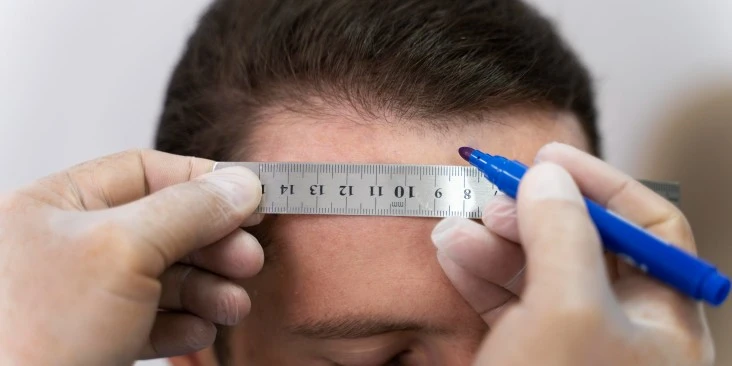
Understand what causes a receding hairline, how to spot early changes, which treatments may help, and how...
Learn how to fix frizzy hair with simple hair care tips. Discover the causes of frizz and easy ways to ma...
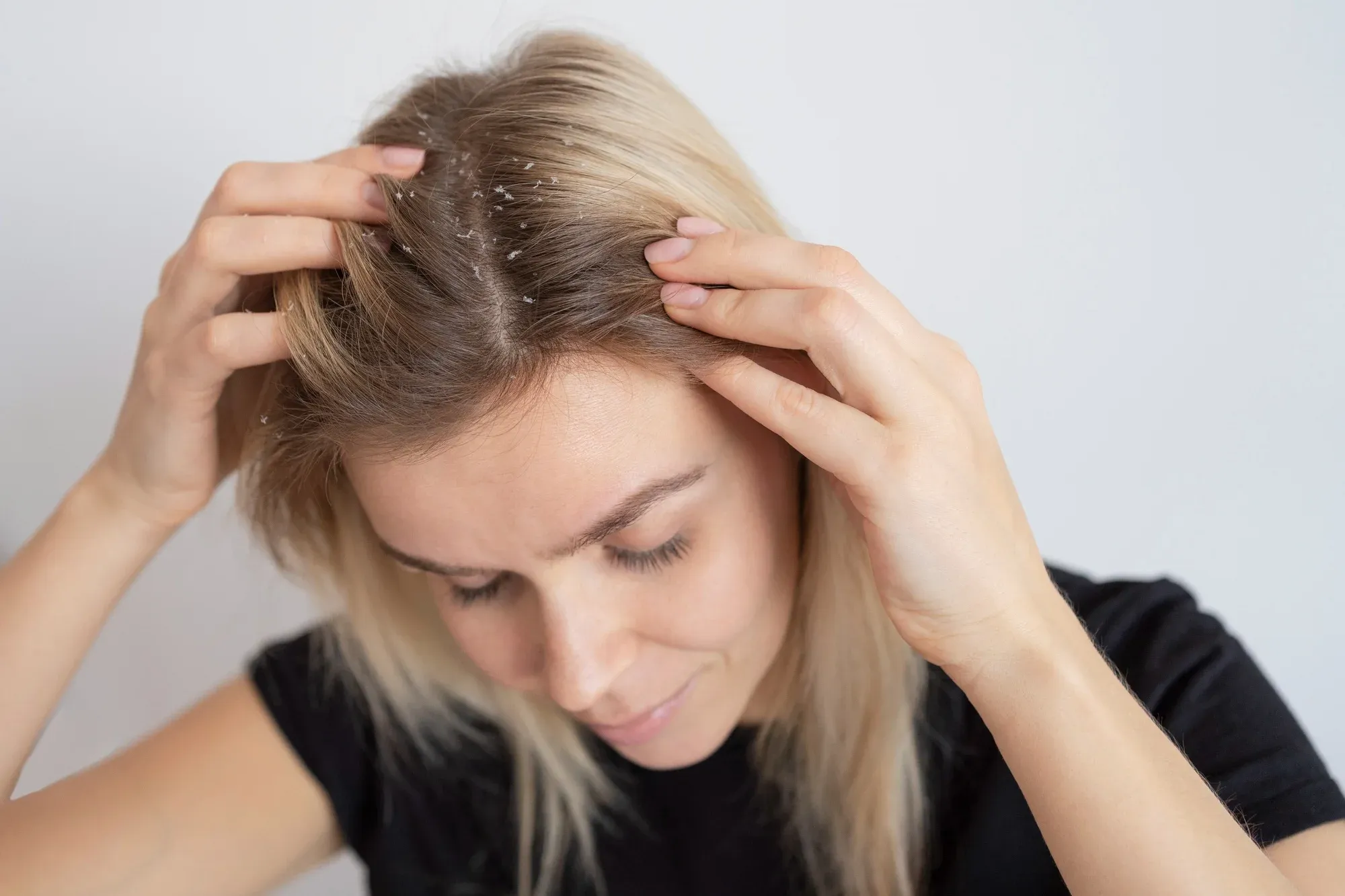
Dry scalp vs Dandruff can be confusing as both cause itchiness and flaking of the scalp. This guide will ...
Nowadays everyone is talking about batana oil and its magical benefits over social media. But what exactl...
4 months ago
Non-scarring hair loss means the hair follicles are still present and have the potential to regrow hair, unlike scarring alopecia where the follicles are destroyed. Common causes include stress (telogen effluvium), hormonal imbalances, or autoimmune conditions like alopecia areata. A dermatologist can diagnose and recommend treatment. It's usually reversible.
Get the Zerunio health brief
Evidence-based health, reviewed by clinicians. Free, weekly.
Enter your phone number – we’ll text you a one-time code.