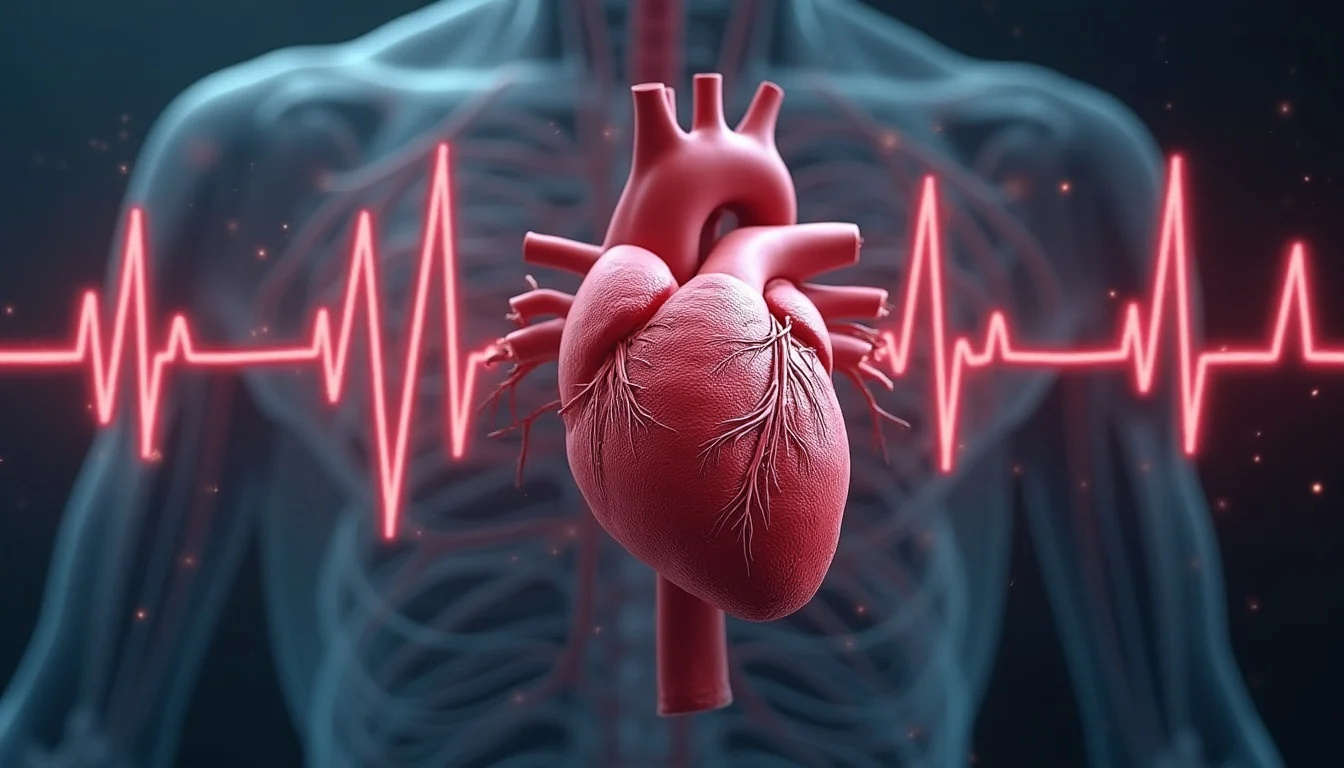
Is a heart attack natural causes?
My neighbour's husband passed away in his sleep from a heart attack, and everyone is saying it was 'natural causes'. Does a heart attack actually fall under natural causes of death?
My family has a history of heart issues, and I've had complications myself. While it's considered a 'natural cause' because it's an internal body event, it's often a culmination of many factors like genetics, lifestyle, and underlying conditions. It's crucial to get regular check-ups and follow a doctor's advice, especially if there's family history. Don't take it lightly.
Bete, heart attack is something that comes from inside the body, not from outside chot. So haan, you can say it's natural. But it's also true that if we take care of our health, eat simple food, walk a little, maybe it won't come so easily. It's a sad thing to happen.
Haan na, a heart attack is mostly considered a natural cause. It's like your body's own system having a problem, you know. Not some external injury. But it can be because of so many things like bad eating habits or stress. So, take care, ho na.
I always trust the specialists at my hospital. When I asked my heart doctor, he clearly said a heart attack is a major medical event arising from internal conditions. So, yes, it's in the 'natural causes' category. But the key is to understand what leads to it and how to prevent it. Ask your doctor specific questions about your risks.
From a dietary perspective, a heart attack is often a consequence of our food choices over many years. While it's classified as a natural cause, it's heavily influenced by things like saturated fats and processed foods. A balanced vegetarian diet with plenty of fresh fruits and vegetables can go a long way in prevention, along with regular exercise.
My cardiologist explained that 'natural causes' typically refers to death from an internal disease or bodily malfunction rather than external injury. A heart attack fits this definition perfectly, as it's a medical condition where the heart's blood supply is interrupted. However, it doesn't mean it's unavoidable; many factors like diet, exercise, and genetics play a big role.
Similar to how thyroid issues can affect many body systems, a heart attack is usually linked to a combination of internal factors. It might be 'natural' in origin, but often has roots in things like cholesterol, blood pressure, or diabetes. Regular check-ups and talking to your doctor about your risk factors are key. Self-monitoring helps a lot.
Shortness of breath and nasal congestion can signal allergies, infections, or sinus issues. Learn common ...
Sinus arrhythmia means natural variation in heart rate that occurs even though the heart rhythm is still ...
Heart palpitations are common and often harmless, but sometimes they may signal a problem. A fast or irre...
Discover natural remedies for vaginal dryness, including hydration, moisturizers, lubricants, lifestyle t...
For my uncle, it was a sudden heart attack and doctors said it was 'natural causes' due to his age and history. It's a scary thought for any family. We try to be practical now, encouraging everyone to eat healthy, especially the kids. It’s important to remember that even if it's natural, early detection and care are crucial.
Yeah, that's what I always thought. Like, it's not an accident or anything, but something that happens because of your body. So, it's considered a natural cause. But then you hear about young people getting them and you wonder if it's always 'natural' or if lifestyle plays a bigger role now. Very interesting to think about.
Technically, yes, it falls under natural causes. But that doesn't mean we should ignore the risks. If you ever feel chest pain, breathlessness, or any worrying symptoms, please don't self-diagnose. Always get it checked by a doctor immediately for safety. Better safe than sorry.
Get the Zerunio health brief
Evidence-based health, reviewed by clinicians. Free, weekly.
Enter your phone number – we’ll text you a one-time code.