

Vaginal Dryness Natural Remedies: What Your Body May Be Telling You

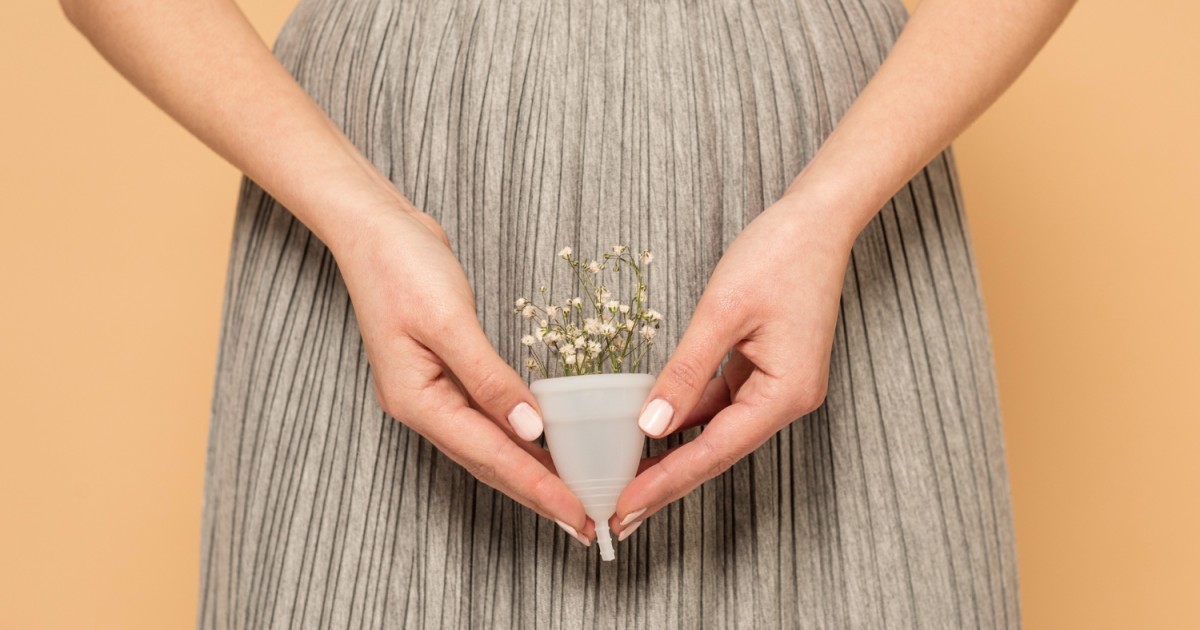
Vaginal dryness is the condition when a woman's vagina does not provide enough lubrication, which can lead to irritation, burning sensation, itching, and discomfort.
For some women, vaginal dryness is a temporary issue. Reasons may include changes in hormone levels, stress, medications, dehydration, breastfeeding, or changes in sexual practice.
For others, especially those who are going through menopause, vaginal dryness can appear as a result of falling estrogen levels and can last for a longer period of time.
Although vaginal dryness can feel uncomfortable, it is usually treatable. Simple lifestyle changes and certain natural approaches may provide relief for mild symptoms.
What Causes Vaginal Dryness?
Finding the cause is crucial in order to find the solution.
Changes in Hormones
Estrogen supports the moisture and health of the vagina’s tissues. If estrogen levels drop, vaginal tissues can become thin, dry, and hypersensitive.
Hormonal changes can occur:
During menopause
During menopause
During pregnancy
After childbirth
While breastfeeding
Menopause is one of the major causes of persistent dryness of the vagina.
Stress
Chronic stress can negatively influence multiple health issues. It can also affect sex drive and sexual arousal, reducing the natural lubrication of the vagina.
Relaxation, sufficient sleep, and stress management can help with this issue.
Some Medications
Some drugs can cause dryness as a side effect: inclusive, anti-allergic drugs, antidepressants, and others.
If you suspect that your medications cause vaginal dryness do not stop taking the medication on your own without consulting with your physician.
Irritating Personal-Care Products
Certain perfumed soaps, washes, sprays, and douches can irritate the delicate area surrounding the vagina. Since the vagina is capable of cleaning itself, there is usually no need for harsh products.
Signs That Indicate Vaginal Dryness
Depending on how serious the situation is, vaginal dryness may lead to different symptoms.
Some common symptoms are:
Vaginal irritation
Itching
Burning sensation
Pain during sexual intercourse
Uncomfortable feeling while sitting or exercising
Feeling of tightness
Mild pain
Less natural lubrication
Some women may also have urinary problems as hormonal changes may affect both vagina and urinary system.
If symptoms occur for the first time or last for a long time, medical check-up is required.
Home Remedies for Vaginal Dryness
When it comes to helping women with minor vaginal dryness, there are many natural remedies. However, it’s important to note that what works for one individual might not work for another.
1. Hydrate
Staying hydrated is a very important step toward ensuring good health. Dehydration can cause dryness all over the body, but simply drinking extra water is not the answer to resolve hormone-related dryness.
Drink water throughout the day instead of waiting to get thirsty.
Water, milk, and other low-sugar beverages can contribute to one's fluid consumption.
2. Vaginal Moisturizer
Vaginal moisturizers are specially designed for a longer moisturizing effect compared to lubricants.
While the vaginal moisturizer can be used regularly, the lubricant is used mainly during intercourse.
Be sure to choose specially designed vaginal products and use them as directed.
Avoid using household oils, creams, or other products that are not intended for vaginal use due to their possible irritating effects on the vagina and vaginal flora.
3. Utilize a Water-Based Lubricant
In the event that dryness results in discomfort during sexual intercourse, the use of a water-based lubricant may ease the activity.
Lubricants help reduce friction while bringing quick relief.
If someone is using condoms, it is important to check the lubricant ingredient list. Some oil-based ingredients may lessen the integrity of some latex-based condoms and lead to breakage.
4. Pay Attention to a Silicone-Based Lubricant
Silicone-based lubricants are another option available to consumers. Silicone-based products are generally longer-lasting as compared to water-based ones, and they may help with dryness.
The fact that these products need to be applied sparingly is advantageous when engaging in sexual activity.
When selecting silicone-based products, it is advisable to opt for personal-use silicone-based products only, avoiding their usage in case they cause burning, itching, or irritation.
5. Douching is best avoided
Douching is defined as washing out the vagina using water or other liquids. The vagina has a built-in self-cleaning mechanism. Douching can upset the natural balance of bacteria in the vagina and cause further irritation. Rather wash the outer region gently using warm water or a mild soap, fragrance-free cleanser if required.
6. Refrain from using products with fragrances
The use of various perfumed soaps, sprays, wipes, and vaginal washes may cause irritation of sensitive skin. In case of vaginal dryness, the most efficient way is to keep the approach simple, considering the following:
The use of fragrance-free products
Select gentler cleansers
Use of sensitive skin friendly products
Always avoid scented products if they need to be put inside the vagina.
7. Use Underwear that Breaths
Choosing tight clothes can be a factor that increases the temperature and moisture in the genital area.
Instead, it is recommended to use cotton underwear and loose clothing to prevent the area from being overly humid.
It would be widely accepted to take off wet swimsuits or damp exercise clothes soon after the activity.
8. Invest More Time in Sex
Natural lubrication occurs with sexual arousal increased during sexual activity.
If you feel drier while having intercourse, perhaps you need to spend more time on foreplay before penetration.
Indeed, communicating with a partner is important to get fully attuned in this matter.
As long as you don't hurry, you will be safe from pain-related issues.
9. Stress Management
Stress can impact sexual desire, arousal, and overall wellbeing.
Some basic stress management activities can be:
Walking
Light exercise
Meditation
Deep breathing
Yoga
Reading
Having enough sleep
Managing stress may not directly cure vaginal dryness, but it can help with overall sexual health and comfort.
10. Healthy Diet
It is not proven that any particular food can cure vaginal dryness. However, following a healthy diet can help with general health.
You should pay attention to the following:
Fruits
Vegetables
Whole grains
Beans
Seeds and nuts
Lean meat
Healthy fats
Healthy eating habits are particularly crucial during menopause and other hormonal changes.
11. Communicate with your healthcare professional
Sometimes the best natural solution is to understand why it is happening.
A doctor or gynecologist can determine whether the issue is caused by:
Hormonal changes
Medication
Infections
Skin problems
Menopause
Other diseases
Foods and beverages that may help vaginal health
No food can immediately replace the moisture in the vagina, but good nutrition can help you achieve good health.
Foods to include
Avocados:
provide healthy fats and nutrients.
Nuts and seeds:
provide healthy fats and minerals.
Greens:
provide vitamins and minerals to nourish and maintain good health.
Berries:
full of antioxidants and fiber.
Whole grains:
offer fiber and other essential nutrients.
Yogurt:
has beneficial microorganisms and may benefit a healthy diet.
These foods on their own will not treat vaginal dryness but will support your general well-being.
Things to have to avoid if you have vaginal dryness
There are things that can worsen the irritation.
Avoid:
Douching
Using scented vaginal products
Using scented tissue
Using harsh soap
Taking bubble baths
Using unauthorized home remedies
Scratching the irritated area
Using oils in the vaginal area
You should avoid using food, oils, or herbs in the vagina except when requested by a medical professional.
"Natural" is not always synonymous with safe.


Consult a obstetrics and gynaecologist
Is Vaginal Dryness Related to Menopause?
Certainly. Vaginal dryness is a common menopausal symptom.
During menopausal phase, estrogen levels decline, affecting the vaginal tissues and causing the natural lubrication to diminish.
Genitourinary syndrome of menopause (GSM) is a condition that women may face, characterized by:
Vaginal dryness
Burning sensations
Discomfort during sexual activity
Vaginal irritation
Urinary difficulties
While some women may continue to experience symptoms after menopause, they shouldn’t lose hope, as there are effective treatments available.
If this condition is hindering your lifestyle or sex life, do not hesitate to talk to your doctor and look for solutions instead of accepting it as normal.
Home Remedies for Vaginal Dryness
Home remedies do not always work when dryness is caused by menopause or a similar hormone-related condition.
Health specialists can offer you
Vaginal estrogen therapy
Low-dose vaginal estrogen can help you with dryness by restoring vaginal tissues and curing symptoms of low estrogen levels.
Vaginal DHEA
Vaginal DHEA can be prescribed by a doctor for easing the symptoms of menopause.
Ospemifene
Ospemifene is an oral medication that can treat painful intercourse.
Lubrication
Lubricants can help relieve dryness in everyday life.
Thus, the most suitable remedy depends on a patient’s age, symptoms, medical history, and the cause of the condition.
What Your Doctor Has to Say
Healthcare professionals tend to recommend that the root cause for vaginal dryness be identified rather than simply treating a symptom. For mild dryness, lubricants and vaginal moisturizers are able to be effective. Sometimes, avoiding scented products and irritants can be beneficial.
When the dryness is brought on by low estrogen or menopause, the doctor is likely to speak about hormone treatments or non-hormonal alternatives.
Most importantly, persistent vaginal dryness is not something you have to accept. If you find that this condition interferes with your quality of life, comfortable feeling, sleep, or relationships, make sure you talk to a doctor.
Can Vaginal Dryness Affect Your Sleep?
The presence of vaginal dryness can also result in difficulties sleeping if itchiness, burning sensation, or pain is experienced. Some women may feel more symptoms at night as there are fewer distractions.
In case you experience discomfort during the night, it is recommended to wear loose cotton pajamas and side-step fragranced washing products before bedtime.
Is Exercise Effective Against Vaginal Dryness?
While exercise doesn’t solve the root causes of vaginal dryness, regular exercise can play an important role in maintaining one’s overall health, improving one’s mood, circulation, sleep, and stress levels.
Some examples of exercises that one can engage in are:
Hiking
Swimming
Cycling
Yoga
Low-strength exercise
Stretching
It is important to wear fit clothing and clean clothes after exercising if exercise is producing friction and discomfort.
Exercise should provide relief from the disease rather than aggravate symptoms. In case symptoms worsen, one must ask for advice from a doctor.
Does Vaginal Dryness Impact Relationships?
Yes, vaginal dryness can be a barrier to intimacy due to the friction resulting in pain during coitus. This may cause women to avoid sexual intimacy and develop fears about engaging in intimate relationships with their partners.
Engaging in discussions with a partner around the whole issue can reduce the sense of pressure. Use of suitable lube during sexual intercourse and giving adequate time for the desire to increase will improve the comfort level during sexual intimacy.
Pain in the sessions should not be considered normal, and it should be examined.
Is Vaginal Dryness Possible After Giving Birth?
Yes, after vaginal birth, hormonal disruption causes the mom to experience dryness in the vagina and problems with moisture levels. For instance, prolonged breastfeeding can lower estrogen levels and result in dryness.
Mom’s body needs time to adjust to the stresses of giving birth. There may also be changes in stress levels, tiredness, and desire.
If a mom feels discomfort after childbirth, it is vital to wait some time till the body recovers before seeking medical attention.
Does Vaginal Dryness Lead to Pain or Discomfort?
Severe dryness leads to increased vulnerability of vaginal tissues. Any friction may create discomfort and lead to minor injuries and cuts.
You may notice other symptoms:
Burning sensations
Tenderness
Pain during sex
Spotting after sex
Increased sensitivity
Good lubrication may avoid injuries, but it is always better to consult with a doctor in case of unexplained bleeding and persisting pain.
Could Vaginal Dryness be Caused by Menopause?
Yes. As estrogen drops during menopause, it leads to different changes in body.
Besides vaginal dryness, some women may experience:
Hot flushes
Sweating at night
Sleep disturbances
Emotional instability
Painful intercourse
Pelvic complaints may persist long after menopause, and associated with aging, it doesn’t mean that the condition cannot be dealt with.
Could Vaginal Dryness be Caused by Allergens?
Certainly, irritation or an allergic reaction may occur, bringing discomfort in the vaginal area or surrounding.
Among triggering factors could be fragrant soaps, cleaning detergents, feminine hygiene products, lubricants, and certain materials.
In case the symptoms appeared after trying a new product, it is important to stop using it and see if the situation improves, avoiding at the same time mixing products in one go to find hardly the real reason.
Does insufficient sleep lead to increased vaginal symptoms?
Insufficient sleep does not lead to dryness of the vagina directly, but the issues related to sleep can increase stress and impact people’s health. When a person feels tired or stressed, their libido and comfort decrease as well.
Establishing a good sleep regimen, limiting the use of gadgets before going to bed, and achieving comfort in the bedroom will lead to better sleep in general.
How Can You Track Vaginal Dryness?
A simple symptom journal might help you identify possible causes.
Be sure to track:
When the dryness occurs
Changes in your menstrual cycle
Any new medications
Any personal-care products
Your sexual activity
Your level of stress
Other possible symptoms
This information can help you talk to your doctor and identify patterns that might be otherwise less noticeable.
Is Vaginal Dryness Ever Temporary?
Indeed, vaginal dryness does not mean that you suffer from a long-term condition.
Vaginal dryness may temporarily develop as a result of:
Stress
Hormonal changes
Breastfeeding
Certain medications
Lack of sexual arousal
Irritation from personal-care products
If the cause is temporary, symptoms can be relieved once the source has been identified.
The Problems with Self-Diagnosis
The symptoms associated with vaginal dryness may resemble that of other conditions, such as genital infection, skin irritation, hormone imbalance, or urinary issues.
For example, itchiness and burning sensation may be due to an infection rather than vaginal dryness. Therefore, treating the wrong illness with home remedies risks the opportunity for standard medical treatment.
When symptoms are unusual, persistent, or worsening, it is always safer to seek professional diagnosis.
References
Frequently asked questions
What causes vaginal dryness?
Vaginal dryness can be caused by hormonal changes, menopause, breastfeeding, stress, certain medications, dehydration, or irritating personal-care products.
Can drinking more water help with vaginal dryness?
Staying hydrated supports overall health and may help with general dryness, but drinking more water alone may not solve hormone-related vaginal dryness.
