How to stop hormonal hair loss?
Lately, I've noticed a lot more hair fall than usual, and my gynaecologist mentioned it could be hormonal. What can be done to stop hormonal hair loss? It's really affecting my confidence.
Lately, I've noticed a lot more hair fall than usual, and my gynaecologist mentioned it could be hormonal. What can be done to stop hormonal hair loss? It's really affecting my confidence.
 9 months ago
Hormonal hair loss, especially with conditions like PCOS, needs careful management. It's not usually something you can just 'stop' with a simple fix. My gynecologist and dermatologist work together on my case. They might suggest specific medications or supplements to balance hormones. Don't try random remedies, please consult a specialist for proper diagnosis and treatment.
4 months ago
Haan na, hormonal hair loss is tough, makes you so worried. Best is to see a good doc, an endocrinologist maybe, ya dermatologist. They'll check your hormones and tell you what to do. Sometimes it's diet, sometimes it's meds. Don't worry too much, many people face this.
8 months ago
While hormonal issues need medical intervention, your diet plays a huge supporting role. Focus on a balanced vegetarian diet rich in protein (lentils, paneer), iron (spinach, dates), and zinc. Avoid processed foods and excessive sugar, which can sometimes worsen hormonal imbalances. But for actual treatment, a doctor is essential.
6 months ago
Bhai, if it's hormonal, you need to fix the hormones, not just the hair. Go to an endocrinologist first, get your levels checked. Then a dermatologist can help with hair specific treatments. Only doctors can give correct medicines for hormonal balance. Don't waste time on oils and shampoos alone.

 4 months ago
Hormonal hair loss is complex. You absolutely need to consult an endocrinologist or a dermatologist who specializes in hair. They'll run tests to identify the specific hormonal imbalance. Treatments could range from oral medications like spironolactone or finasteride, to topical solutions. Don't self-diagnose or rely on anecdotal remedies.
9 months ago
I've read that for hormonal hair loss, it's often related to dihydrotestosterone (DHT). So, treatments often involve blocking DHT or balancing other hormones. Things like saw palmetto are marketed as natural DHT blockers, but I don't know how effective they really are. Definitely seems like a doctor-managed thing, not DIY.
7 months ago
Hormonal hair loss is one of the most challenging types, but it's not hopeless! The first and most important step is a proper diagnosis from an endocrinologist or dermatologist who can perform specific hormone tests. They might prescribe anti-androgens or other treatments. Supplements like biotin and a balanced diet can support, but won't reverse hormonal causes alone. Be patient, it takes time.
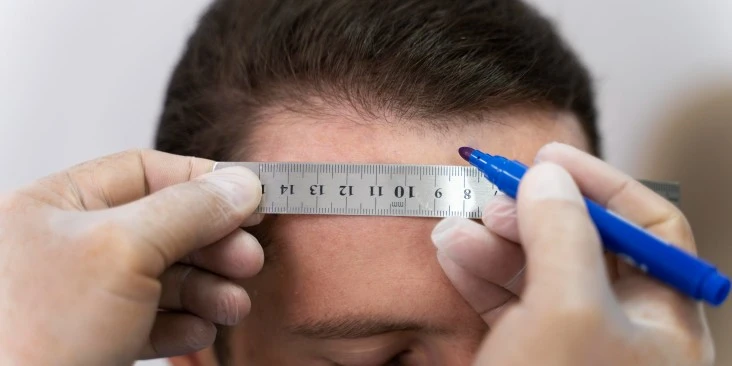
Understand what causes a receding hairline, how to spot early changes, which treatments may help, and how...
Learn how to fix frizzy hair with simple hair care tips. Discover the causes of frizz and easy ways to ma...
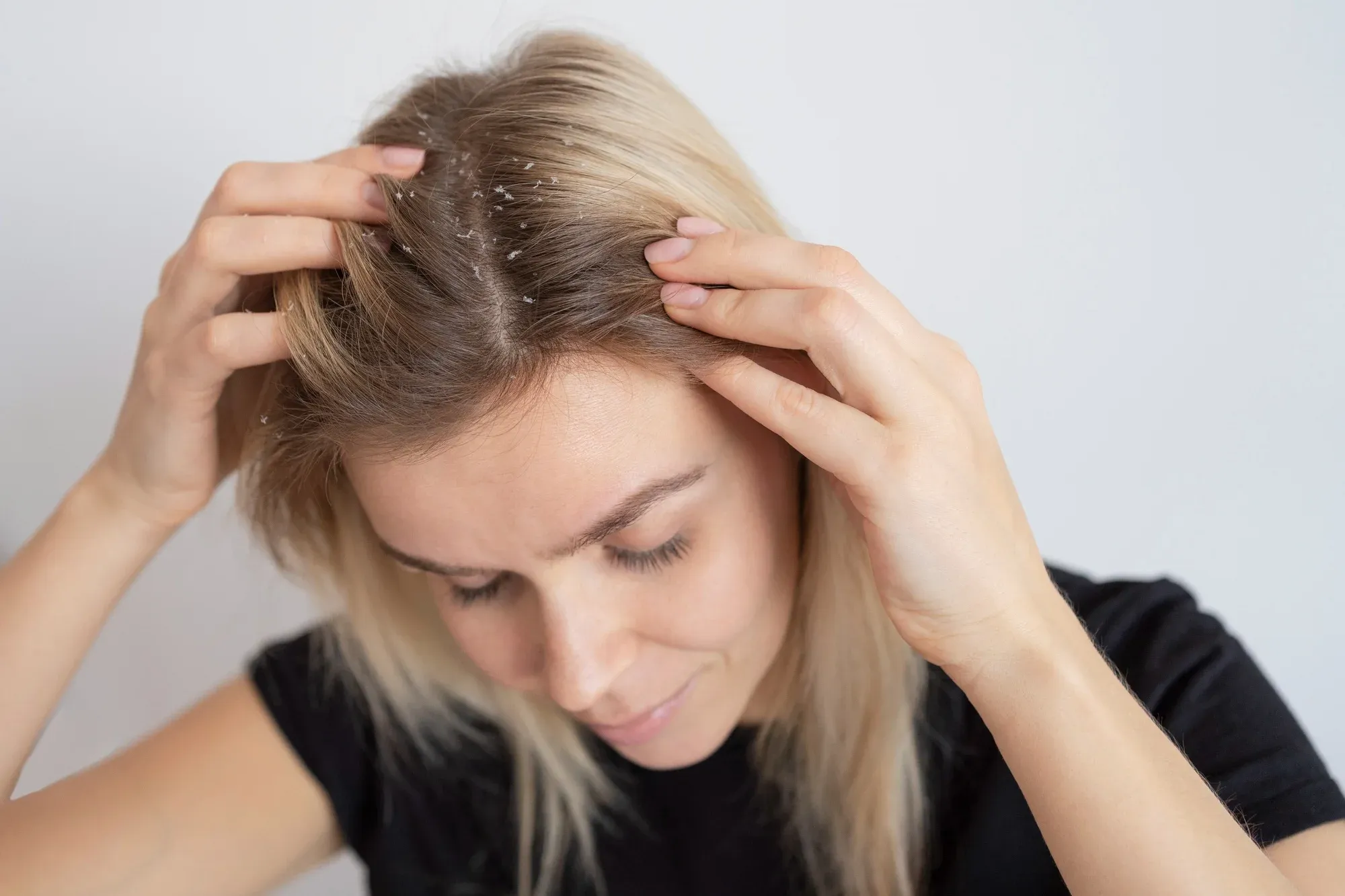
Dry scalp vs Dandruff can be confusing as both cause itchiness and flaking of the scalp. This guide will ...
Nowadays everyone is talking about batana oil and its magical benefits over social media. But what exactl...
6 months ago
Managing any hormonal issue requires regular check-ups and often specific medication. Just like for BP, I have to be disciplined. For hormonal hair loss, you should see an expert for a proper diagnosis of which hormone is imbalanced. Lifestyle changes, stress reduction, and sometimes even weight management can help, but doctor's advice is paramount.
6 months ago
Yaar, hormonal hair loss is a big headache, actually. It's not just a scalp issue; it's coming from inside. Best to get your hormones checked by a good doctor, like an endocrinologist. They might prescribe something to balance them. Hair treatments will only work if the root cause is addressed, no?
6 months ago
For hormonal hair loss, consistency is key, not quick fixes. Alongside medical treatment, maintaining a healthy weight through regular exercise and a balanced diet (high in protein, good fats) can help manage hormonal fluctuations. Stress management is also vital. It all contributes to a healthier body, which in turn helps your hair.
Get the Zerunio health brief
Evidence-based health, reviewed by clinicians. Free, weekly.
Enter your phone number – we’ll text you a one-time code.