Does vitiligo cause hair loss?
I was recently diagnosed with vitiligo, and I'm trying to understand everything about it. I've noticed some unusual hair shedding lately. Is there a connection, like, does vitiligo itself cause hair loss?
I was recently diagnosed with vitiligo, and I'm trying to understand everything about it. I've noticed some unusual hair shedding lately. Is there a connection, like, does vitiligo itself cause hair loss?
 5 months ago
Vitiligo is an autoimmune condition, and sometimes it can coexist with other autoimmune issues like alopecia areata which causes hair fall. Please do not assume anything and get it checked by a dermatologist for safety. Early diagnosis is very important.
6 months ago
My dermatologist explained that vitiligo itself only affects skin pigment and does not directly destroy hair follicles. However, when vitiligo affects scalp skin, the hair in those white patches can turn white. If you are experiencing actual hair loss, it could be a separate autoimmune link like alopecia, so a proper clinical evaluation is needed.

 9 months ago
Honestly, my hair falls out just looking at my work calendar, but from what I know, vitiligo usually just turns the hair white rather than making it fall out. If you are losing hair, it might just be stress or bad sleep like mine! Go see a doctor to be sure.
4 months ago
While vitiligo mainly affects skin color, maintaining a highly nutritious diet rich in antioxidants can support both your skin and hair health. Make sure you are not lacking in Vitamin B12 and iron, which are very common deficiencies that actually cause hair fall. Eat balanced meals.
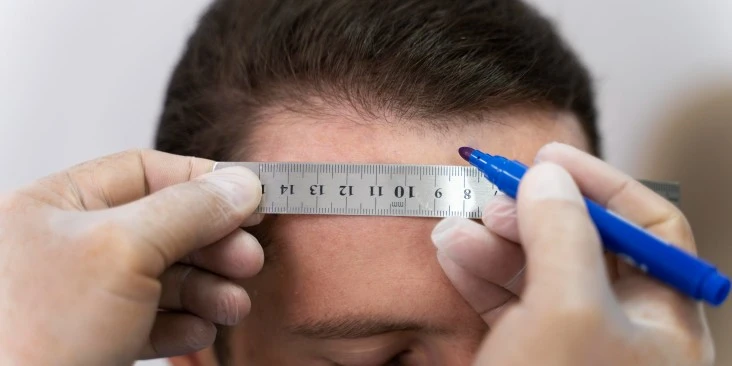
Understand what causes a receding hairline, how to spot early changes, which treatments may help, and how...
Learn how to fix frizzy hair with simple hair care tips. Discover the causes of frizz and easy ways to ma...
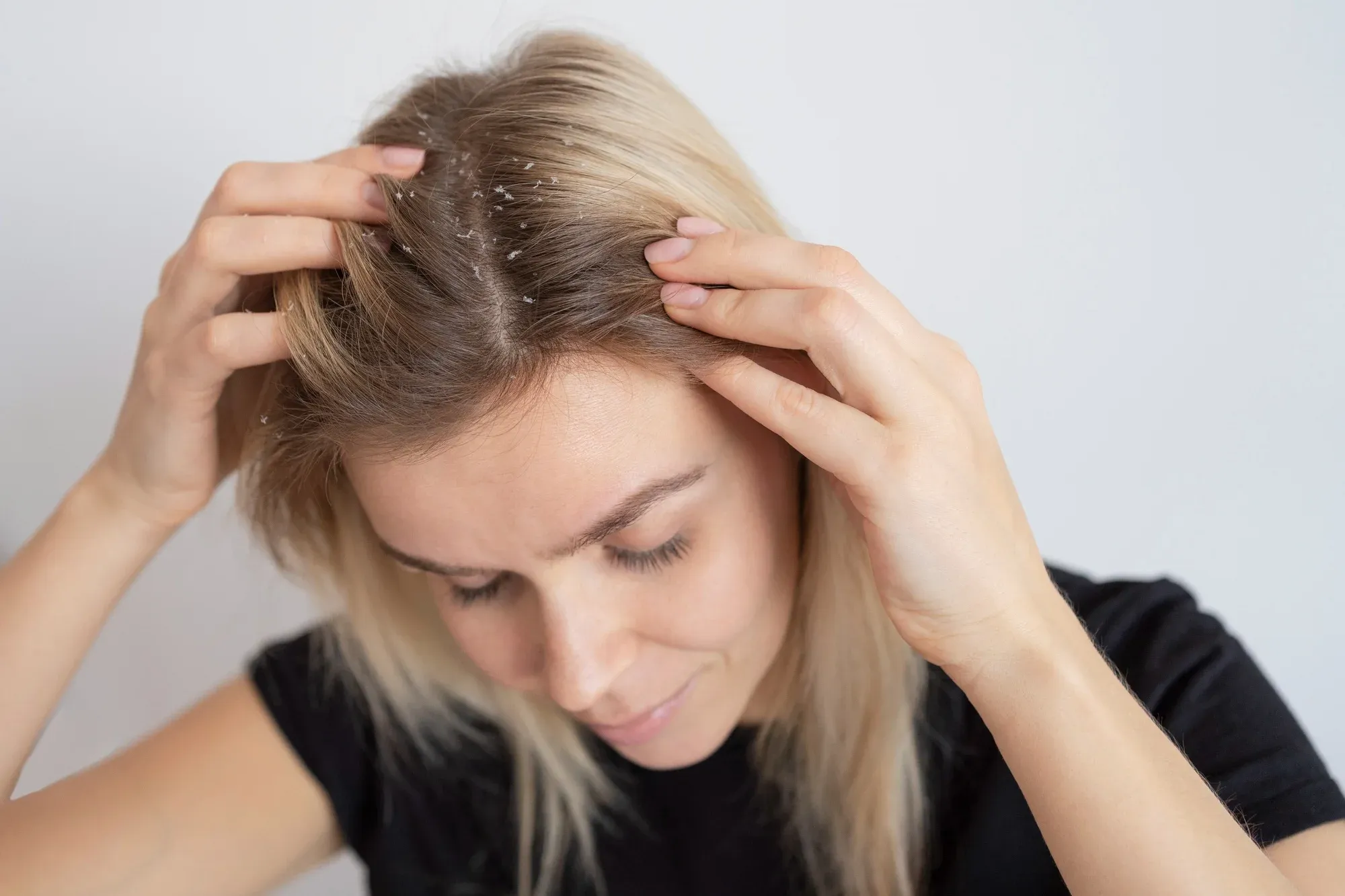
Dry scalp vs Dandruff can be confusing as both cause itchiness and flaking of the scalp. This guide will ...
Nowadays everyone is talking about batana oil and its magical benefits over social media. But what exactl...
4 months ago
Look, vitiligo only changes your skin and hair color to white, it doesn't make your hair fall out. If you are actually losing hair, it is a different issue like alopecia or just stress and poor diet. Go see a proper skin specialist instead of getting scared by reading random things online.
Get the Zerunio health brief
Evidence-based health, reviewed by clinicians. Free, weekly.
Enter your phone number – we’ll text you a one-time code.