Can too much zinc cause hair loss?
I've been taking zinc supplements to boost my immunity and for skin health. Lately, I've noticed my hair thinning a bit. Is it possible that taking too much zinc could lead to hair loss?
I've been taking zinc supplements to boost my immunity and for skin health. Lately, I've noticed my hair thinning a bit. Is it possible that taking too much zinc could lead to hair loss?
 7 months ago
Yes, while zinc is great for hair, too much of it can actually block the absorption of copper and other minerals, which leads to hair loss. With PCOS, we often overdo supplements, so please consult your doctor to find the right balance.
5 months ago
I ignored my heavy hair shedding for six months thinking it was just stress, while popping daily zinc supplements. It turned out to be severe zinc toxicity which also affected my stomach. Please don't ignore it like I did, get your blood levels checked now.
6 months ago
Yes, excess zinc definitely triggers hair fall. Try stopping the zinc tablets for a few weeks and see if your hair shedding reduces naturally.

 7 months ago
Beta, taking too many chemical tablets will always have bad side effects like hair loss. Eat pumpkin seeds and curd instead, as they have natural zinc which never harms the body. If hair fall is heavy, consult a doctor immediately.
6 months ago
My teenage son started losing a lot of hair when he took zinc supplements for acne without asking us. The doctor told us that excess zinc disrupts other minerals like iron and copper, leading to hair fall. Please supervise any supplement intake carefully.
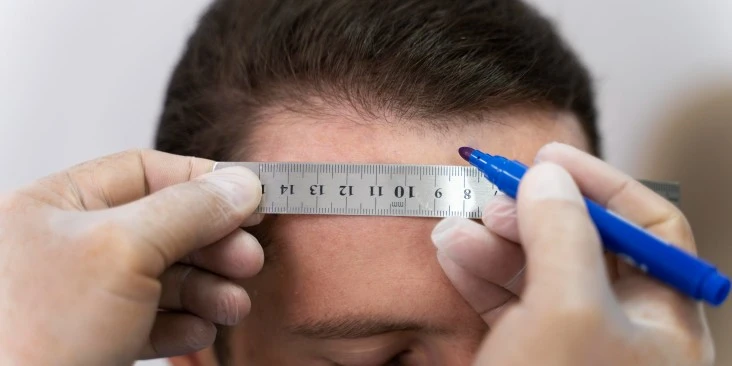
Understand what causes a receding hairline, how to spot early changes, which treatments may help, and how...
Learn how to fix frizzy hair with simple hair care tips. Discover the causes of frizz and easy ways to ma...
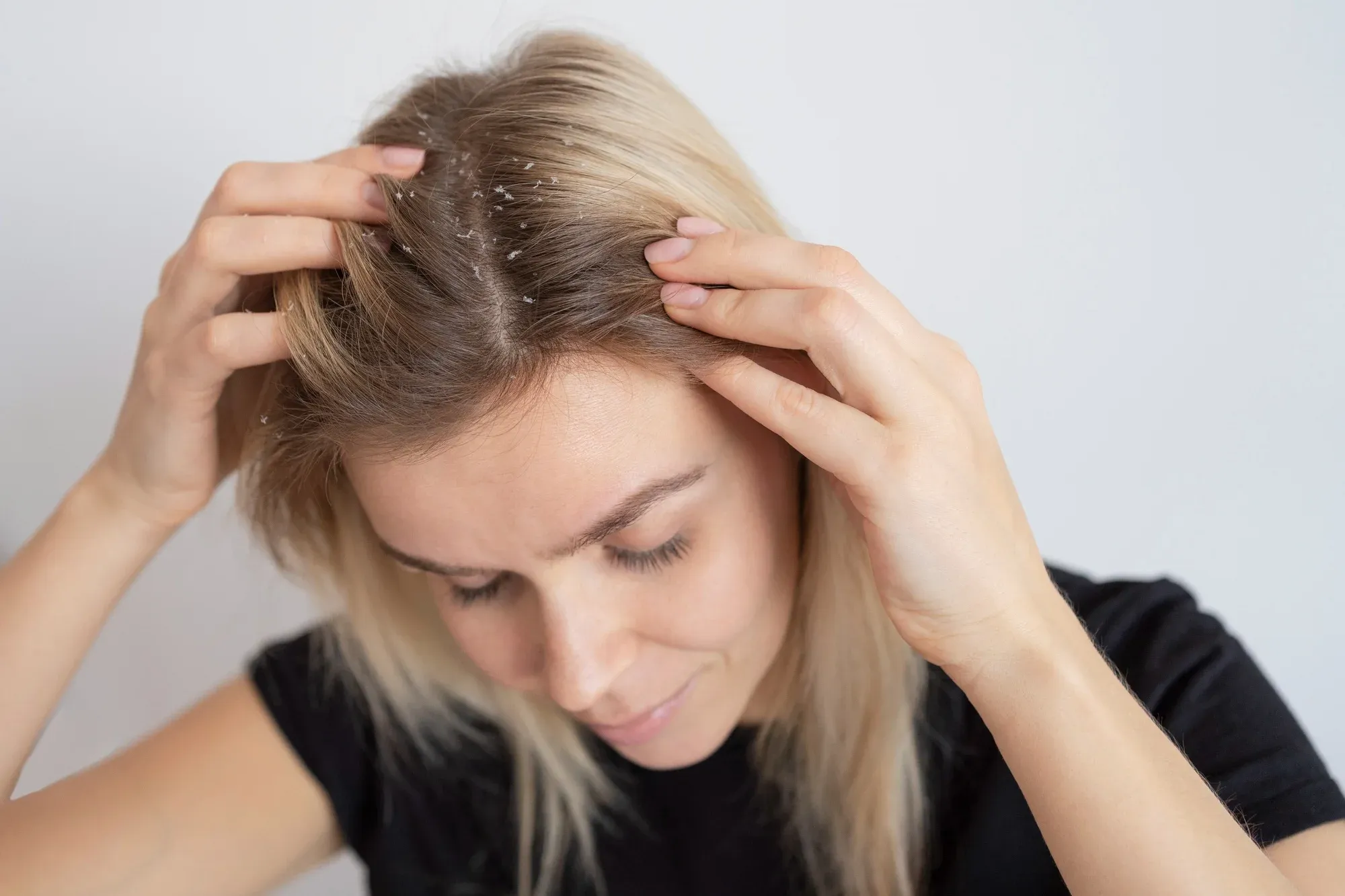
Dry scalp vs Dandruff can be confusing as both cause itchiness and flaking of the scalp. This guide will ...
Nowadays everyone is talking about batana oil and its magical benefits over social media. But what exactl...
5 months ago
According to my fitness app's micronutrient tracker, over-consuming zinc supplements easily pushes you past the tolerable upper limit, which suppresses copper and causes hair thinning. Cut down the capsules and track your daily diet intake instead.
Get the Zerunio health brief
Evidence-based health, reviewed by clinicians. Free, weekly.
Enter your phone number – we’ll text you a one-time code.