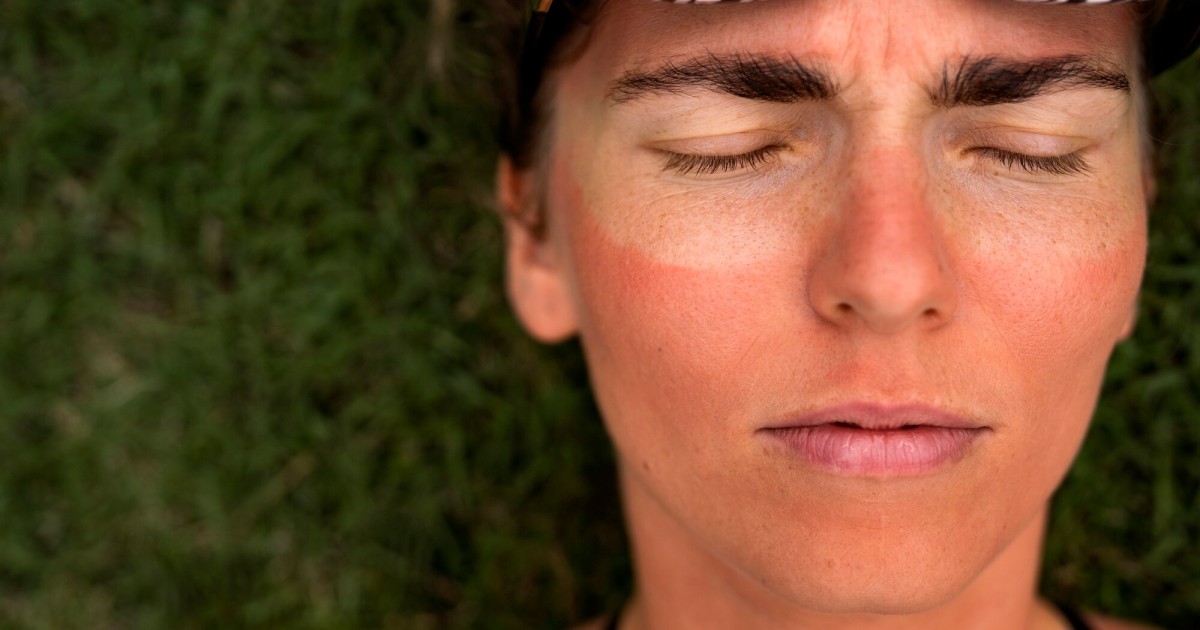
Sun poisoning is usually treated with symptomatic relief and avoidance of further sun exposure. Treatment depends on the severity and can include moving to a cool place, drinking plenty of fluids, and applying cool compresses and suitable pain or itch relief. Sun poisoning treatment focuses on relieving symptoms and preventing further sun exposure. Depending on severity, treatment may include moving to a cool place, drinking plenty of fluids, applying cool compresses, and using appropriate pain or itch relief. Severe symptoms such as extensive blistering, dehydration, fever, confusion, or difficulty breathing require prompt medical attention. Recovery usually improves with adequate hydration, rest, and avoiding additional sun exposure until the skin heals.
What Is Sun Poisoning?
Sun poisoning refers to a severe reaction to prolonged exposure to ultraviolet (UV) rays from the sun. While many people assume that sun poisoning is similar to an ordinary sunburn, in reality, this condition is much more dangerous, as it can cause severe skin inflammation along with various other symptoms.
Sun poisoning typically occurs after people spend a few hours under the direct rays of the sun, particularly during summer or during outdoor activities at beaches and swimming pools or on the mountains.
The key indications of sun poisoning are redness and swelling of the skin, pain, dehydration, headache, and nausea. Anyone can suffer from sun poisoning; however, people with lighter, more sensitive skin or specific health problems are more likely to get this disease.
What Causes Sun Poisoning?
Sun poisoning occurs when there is prolonged exposure to ultraviolet rays. Factors that can lead to an increase in the risk of sun poisoning include:
Spending a lot of time outside
Not applying protective skin creams
Having fair skin
Taking certain medications
High temperatures and heat
Dehydration
Living in places with a lot of sun
Being near water or snow
The strongest rays are between 10 am and 4 pm, so protect your skin from sun exposure during these hours.
Typical Indications of Sun Poisoning
Signs of sun poisoning treatment can differ from soft to critical.
Skin Symptoms
Severe redness
Burning sunburn
Swelling
Formation of bubbles
Itching
Peeling
Uneasy skin
Body Symptoms
Headaches
High temperature
Chills
Being sick
Nausea
Dizziness
Feeling tired
In case of issues with breathing, becoming confused, or being heavily dehydrated, immediately contact a doctor.
Can sun poisoning affect your eyesight?
Many people believe that sun poisoning treatment refers only to skin sickness, but in fact, it can harm the eyes too. Long hours spent in bright sunlight can give rise to photokeratitis, caused by excessive exposure to ultraviolet (UV) light.
The common symptoms include:
Redness of the eyes
Vision problems
Pain in the eyes
Tearing
Sensitivity to light
Burning sensation in the eyes
To prevent the occurrence of photokeratitis and other eye conditions, wear sunglasses that can block UVA and UVB rays when outdoors.
The Impact of Sun Poisoning on Children
The skin of children is thinner and more sensitive than that of adults; therefore, they are more prone to sun damage. They can suffer from dehydration, fever, and skin irritation even after a short time in the sun.
Signs of sun poisoning in a child can include the following:
Being abnormally tired
Being irritable
Developing blisters
Having a fever
Being thirsty
Feeling dizzy
Parents should help their children to drink water regularly, wear sun protection clothes, and apply sunscreen every two hours.
How Is Sun Poisoning Different From Sunburn?
Sun poisoning is often confused with sunburn, but the two are completely unique.
Sunburn |
Sun Poisoning |
Mild redness |
Severe redness |
Slight pain |
Intense pain |
Minor peeling |
Blisters and swelling |
Usually heals quickly |
May require treatment |
Affects only the skin |
Can affect the whole body |
Sun poisoning is sometimes associated with other symptoms like temperature rise, nervousness, and lack of energy.
Are there any medications that increase the risk for sunburn?
Some medications do make people more sensitive to sunlight. This reaction is called photosensitivity, which is also referred to as sunburn.
Certain medicines may increase the chances of sun sensitivity, including:Affecting
Certain antibiotics.
Retinoids used for acne treatment.
Antihistamines.
Certain antidepressant medication.
Hypertensive medications.
Therefore, whenever you take any prescription medication, make sure you have read the label and consulted your doctor.
Does Elevation Increase the Chance of Getting Sun Poisoning?
The majority of people are unaware of the fact that the chance of suffering from sun poisoning rises as one ascends the mountains. The reason for that is that mountains and hill stations receive stronger ultraviolet light due to thinner atmospheres.
The activities that expose people to more sun at high altitudes are
Hiking
Skiing
Trekking
Rock climbing
Camping
Be sure to use sunscreen and sunglasses and cover your skin with the help of special clothes.
Could sun poisoning weaken your immune system?
Studies show that too much sun can make your immune system weak for a short time. Sun poisoning treatment can make it hard for your body to recover from illness and to fight off infections.
When your immune system gets weak, it can cause:
Physical tiredness
Longer recovery time
More chances of getting infections
General weakness
To keep your immune system strong after sun poisoning, try:
Drinking enough water
Eating healthy foods such as fruits and vegetables
Sleeping enough
Avoiding the sun
How to make a daily routine sun-safe?
Healthy habits can help decrease the risk of being affected by sun poisoning. There are basic sun-safe habits, which include:
Applying sunscreen every morning
Wearing sunglasses outdoors
Carrying drinking water
Staying in the shade as much as possible
Wearing light-coloured clothes
Consulting UV readings before going out.
Sun Poisoning Treatment at Home
Minor instances of sun poison can typically be treated at home. Below are some of the most effective treatment methods:
1. Get out of the sun.
The first critical step is to get out of the sun as soon as possible. Either stay indoors or find a spot in the shade to avoid any further damage to your skin.
2. Drink Lots of Water
Because sun poison can cause dehydration, consuming sufficient fluids is vital. Some good drink options include:
Coconut water
Natural fruit juice
Drink made with electrolytes
Tea with lemon
Avoid alcohol and caffeine, as they can contribute to more dehydration.
3. Use Cool Compresses
Put a cool, wet fabric on the burnt area for 15 to 20 minutes a few times a day.
This may:
Lower redness
Alleviate pain
Cool the skin
Relieve swelling
Do not put ice directly on the skin.
4. Take a Cool Shower
Taking a cool shower may calm irritated skin and ease discomfort. Avoid hot water, strong soaps, and scrubbing the skin. After showering, gently dry the skin.
5. Use Moisturising Cream and Aloe Vera
Aloe vera gel is one of the most common treatments for sunburn and sun poisoning.
It also hydrates, calms, and cools the affected skin.
Choose fragrance-free creams to avoid irritation.
6. Take Time to Rest and Recover
Your body requires an adequate time to recuperate.
Try to:
Have enough sleep
Stay away from the outside activities
Stay in a calm atmosphere
Wear free clothing
Resting will contribute to faster healing and less fatigue.
7. Dress in Comfortable Clothes
Skin that is damaged may get irritated because of tight clothing.
Pick clothes that:
Are made of cotton
Have a loose shape
Consists of soft fabric
An ample choice of clothes will allow avoiding any subsequent discomfort.
Medical Treatments for Severe Sun Poisoning
In very serious situations, consulting a doctor might be crucial to receiving proper medical attention.
Medical intervention techniques include:
Medicinal creams that require a prescription
Drugs with anti-inflammatory properties
Sufficient fluid supply through intravenous injections
Drugs that alleviate pain
Antibiotics applied in all cases of skin infection
You should never break blisters yourself, as this may give rise to a contagious infection strain.
Recommended Food and Drinks during Recovery
Eating particular products may facilitate recovery.
Products Worth Eating:
A watermelon
A cucumber
An orange
Some yoghurts
Leaves from various species of plant life
Various berries
Bananas
Recommended Drinks:
Water
Coconut water
Herbal tea
Juice
Electrolyte drinks
Hydration is crucial in the recovery phase.


Consult a dermatologist
Long-Term Effects of Sun Poisoning on Your Skin and Body
When it comes to sun poisoning treatment, many people think it is nothing more than a temporary rash or discomfort. However, in certain cases, intense sun exposure can lead to long-lasting repercussions on the skin and the body as a whole. Knowing about these potential dangers makes it easier to see the advantage of taking the necessary precautions against excessive sun exposure.
One of the major consequences of sun poisoning is premature ageing of the skin. Overexposure to ultraviolet rays will compromise collagen and elastin production within your skin, and those two proteins are exactly what keep the skin smooth and flexible. Because of that, you may see fine lines and wrinkles develop sooner than you would expect.
Harsh exposure to the sun can cause the skin to become darker than usual, thus resulting in hyperpigmentation, which is a medical condition. Hyperpigmentation causes patches of skin to darken.
Perhaps the most concerning outcome of overexposure is skin cancer.
How Long Does Sun Poisoning Last?
Recovery time depends on the severity of the condition.
Severity |
Recovery Time |
Mild |
3–5 days |
Moderate |
5–10 days |
Severe |
Up to 2 weeks |
When to Consult a Healthcare Provider?
It is advisable to consult a physician whenever one faces:
A serious case of blistering
A very high temperature
Trouble breathing
State of confusion
A fainting episode
Severe dehydration
Continuous vomiting
Severe pain
All the above-mentioned indications require immediate care.
Can Sun Poisoning Lead to Dehydration?
Indeed, sun poisoning treatment may result in dehydration because it is difficult to keep the body hydrated when exposed to the sun's heat for a long period of time. When people spend longer in the sun, the excessive heat causes the body to lose fluids due to sweating, and the damaged skin may prevent the body from regulating its temperature.
Some of the symptoms of dehydration caused by sun poisoning include:
Dryness of the mouth
Extreme thirst
Dizziness
Headache
Fatigue
Dark urine
Cramps in muscles
Weakness
To avoid dehydration, it is important to drink plenty of water. Coconut water and drinks containing electrolytes may also help to replenish lost fluids, while alcohol and caffeine should be avoided.
Methods of Sun Poisoning Treatment and Prevention
Prevention is key.
Use the following strategies to keep safe.
Wear Sunscreen
Make sure to use an SPF of at least 30 and reapply it every two hours.
Wear Protective Clothing
Hats
Sunglasses
Long-sleeved tops
Light clothing
Avoid the Hottest Hours of the Day
Try to remain indoors from 10:00 a.m. to 4:00 p.m.
Drink Plenty of Water
Drink water regularly, especially in summertime.
Take Shelter
Find shelter under umbrellas, trees, or in buildings whenever necessary.
What Actions Are Best For Sun Poisoning Treatment?
In the aftermath of experiencing sun poisoning, some actions and items can aggravate your symptoms and prolong your healing time.
Things to stay away from include:
Returning to direct sunlight
Washing in hot water
Donning tight clothes
Scratching or removing the skin
Making use of harsh soaps and skincare products
Having alcoholic drinks
Engaging in heavy exercise outdoors
Rather, stay cool, dress in loose cotton clothes, and allow your body time to heal.
Is It Possible? Is it possible that sun poisoning affects sleep? Is Sun Poisoning Affects Sleep?
Yes, all symptoms associated with sun poisoning can affect sleep. Discomfort such as pain, itchiness, and skin irritation can keep you awake.
People suffering from sun poisoning may also experience:
Restlessness
Headaches
Chills
Fever
Muscle pain
To sleep peacefully, one can take the following measures:
Taking a cool shower before going to bed.
Use lightweight sheets made of cotton.
Apply aloe or any moisturiser on one's skin.
Keep the room temperature low.
Drink water before going to sleep.
Getting enough sleep is essential since the body heals faster during sleep.
Natural Treatments That Might Assist Sun Poisoning Recovery
Several natural treatments can help in alleviating pain and aiding healing from the incident of sun poisoning.
Oatmeal Bath
Oatmeal baths may relieve the itchy feeling experienced by the patient and minimize irritation on the skin.
Aloe Vera Gel
Aloe vera has a cooling effect that helps to soothe reddened and inflamed skin.
Cucumber Slices
Cold slices of cucumber can bring relief and reduce swelling.
Yoghurt
Plain yoghurt possesses probiotics that create a cooling effect.
Green Tea Compress
A compress made of green tea could relieve the irritated skin because of its antioxidants.
Please note that natural treatments alone cannot take the place of medical treatment in case of serious situations.
Does Sunburn Affect Skin Cancer Risk?
Frequent sunburn can potentially increase skin cancer risk over time, as UV rays damage DNA in skin cells, causing repeated damage that can result in serious skin diseases.
Signs to look out for include:
New moles
Changes in existing moles
Abnormal skin growths
Wounds that do not heal
Dark areas on the skin
To safeguard your skin long-term:
Use a sunscreen with SPF 30 or higher
Apply the sunscreen every two hours
Wear hats and sunglasses
Avoid direct sunlight during peak hours
Examine your skin regularly.
Who Is Most Likely to Suffer from Sun Poisoning?
Everyone is at risk of suffering from sun poisoning, yet there are some people with a higher risk than others. Hence, it is important to know who necessitates certain precautions while being under sunlight.
Individuals with fair skin are at higher risk of sun poisoning than those with dark skin, since fair skin contains a smaller amount of melanin, which protects the skin against ultraviolet rays. People with blond or red-haired shades and grey or blue eyes can also get burnt much faster than others.
Young and elderly people are more prone to this illness. Thinner skin means that children can suffer from sun poisoning more often than adults, and older people tend to have issues with regulating body temperature and drinking enough water.
Doctors About Sun Poisoning Treatment
According to doctors, prompt treatment of sun poisoning treatment is essential to avoid complications.
Medical professionals generally recommend:
Leaving the sun
Drinking a lot of fluids
Wearing sunscreen on a daily basis
Using cold compresses
Visiting a medical specialist in case of severe symptoms
Doctors also emphasise that multiple sun damages can lead to ageing and other skin issues.
References
- U.S. Food & Drug Administration (FDA) · source
Frequently asked questions
How long does sun poisoning last?
Most cases improve within one week, but severe cases can take two weeks or longer.
Does aloe vera help in sun poisoning treatment?
Yes, aloe vera may help soothe irritated skin and reduce discomfort.