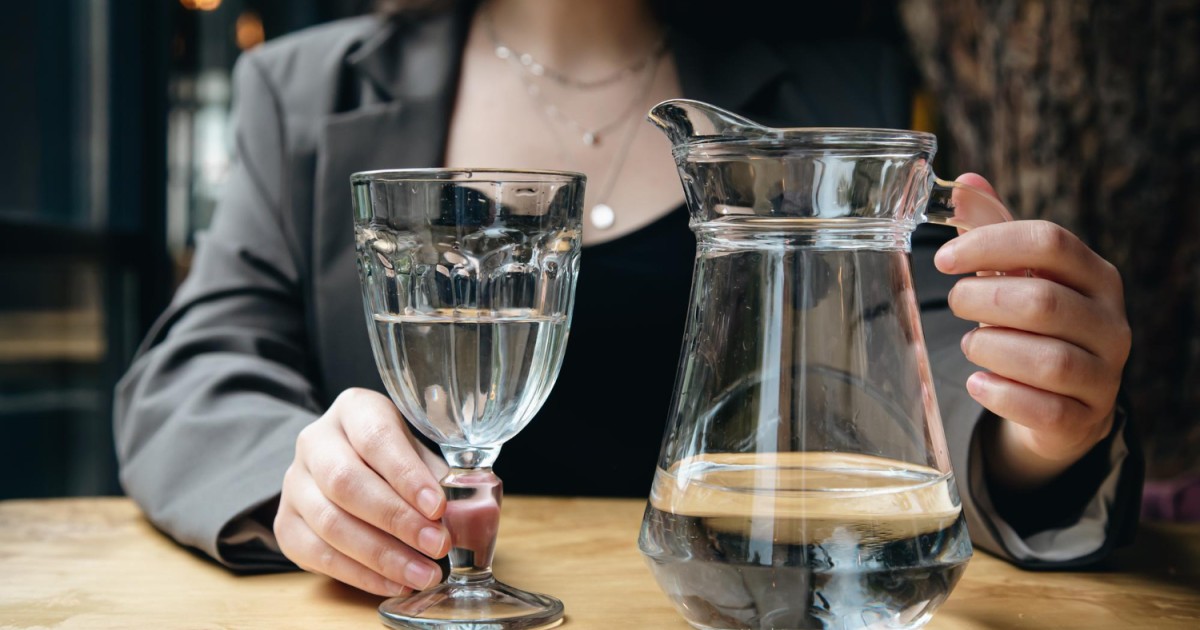
Does water expire? Water is one thing our body cannot survive without. It is crucial for day-to-day activities such as drinking, cooking, and cleaning.
Does Water Expire?
Water itself does not expire. It can stay safe indefinitely if it is clean and stored properly. Water can become contaminated if it is exposed to:
Dust, dirt,
Bacteria,
Sunlight,
Chemical agents,
Plastic particles,
Air pollution
That is the reason bottled water companies write expiration dates on the packages.
Why Do Water Bottles Have Expiry Dates?
Many people believe that bottled water expire has an expiry date because there’s a date printed on the bottle. However, the truth is that the date does not really apply to it. The expiry date relates to the outside of the bottle, not the content. It is composed of hydrogen and oxygen, and these two elements are stable over time. However, there are several things that can harm the quality, taste, or safety of bottled water.
One of the main reasons for the expiry dates is the plastic material of the bottle. Most bottled water is maintained in plastic bottles made of such materials as polyethyleneterephthalate. Due to the impact of heat or sunlight over a certain period of time, tiny amounts of chemicals from the bottle can enter water. Although these substances are usually in very low concentration, producers advise consumers to use this water before the expiry date.
There are a few reasons why bottled water has an expiry date:
1. Plastic Might Degrade
Most bottled water is kept in plastic bottles, which means that some chemicals from the plastic may seep into the water over time.
2. International Law
In some countries, it is compulsory for manufacturers to include expiration dates on any food and beverage product.
3. Changes in Taste
Water bottled for a long time might take in some smells from the environment, which can affect its taste.
4. Importance of Storage Conditions
If bottled water is kept in heat or direct sunlight, it might lose its quality.
How long does bottled water go stale?
It does not spoil because pure water itself does not expire. Nonetheless, bottled water’s taste and quality can vary with time based on its storage conditions. Typically, manufacturers indicate the expiration date on the label, which is one to two years from the packaging date.
It, in an ideal environment, bottled waterment, can still be completely safe to drink for years. The expiration date really only pertains to the plastic bottle and not the water. Heat and time can cause plastic chemicals to leak into the water.
Once the bottle is opened, the water is exposed to air, dust, and bacteria. It is best to drink it within two to three days at room temperature or within three to five days if refrigerated.
If kept in the right conditions, it will last for many years.
To make drinking it safe, people need to:
Store it in a cool area.
Keep it away from the sun.
Have low temperatures.
Do not open the bottle.
Avoid putting the water near any cleaning products.
Water itself doesn’t have an expiration date; however, companies usually recommend having it in one or two years after packaging.
Does opened water have an expiry date?
Yes, opened water expire earlier than the cardboard-wrapped one because of the possibility of being contaminated by air and bacteria, but it can still become less safe to drink. After opening the bottle, there has now been exposure to air, dust, and other microorganisms present in the environment. When a person drinks directly from the bottle, the bacteria in their mouth can infect the water in the bottle and continue to reproduce.
Opened bottled water does not need to be consumed within a short time if properly stored. At room temperature, opened bottled water should be consumed within 1 to 2 days. If the bottle is kept in the refrigerator, the water may remain fresh for 3 to 5 days.
Heat and sunlight can change some properties of opened bottled water. Leaving the bottle in the car on a warm day or under the Empire State Building will change the taste, making it worse. Opened bottled water lasts for different amounts of time depending on the conditions in which it is kept:
At room temperature: Up to 2 days.
In the fridge: 3 to 5 days.
In case it hasn’t been used within a few days, it should be replaced with a new one.
Does tap water expire?
It does not water expire; moreover, it remains safe and fresh even if it has been kept for several days.
There is no timeline for tap water, but some factors might change its quality. It does not technically degrade since it is a steady element that does not rot. Nonetheless, the quality, taste, and safety of tap water can vary depending on how it is collected. If it is left in a clean, closed container and in the right conditions, it can last for years without getting spoiled.
Once it is stored in the container, it may be introduced to air, bacteria, dust, and other pollutants. With time, these factors can impact the freshness of the water. For instance, the taste could change since the stored tap water may lose its dissolved oxygen or obtain outside odors.
As for how to store it for emergency use, experts suggest that food-grade plastic containers or glass be used, and the storage take place in cool and dark places. It is advisable to change the stored tap water every six months. Some factors can deteriorate the purity of the water:
Use old pipes
Dust and dirt
Bacteria
Improper storage
If you want to keep it for emergencies, make sure you put it in a store that is food-safe and sealed tightly. It is recommended to refresh stored tap water every six months.
How to Know Whether Water Has Expired?
It itself does not expire, but it can become unsafe to drink if it is contaminated or stored improperly. Therefore, it is important to know the signs that indicate water may no longer be fresh or safe.
The first thing to check is the smell. Fresh water should not have any strong odor. If the water smells strange, musty, or like chemicals, it is better not to drink it. Next, look at the appearance. Clean water should be clear and colorless. If you notice cloudiness, floating particles, or an unusual color, the water may be contaminated.
You should also pay attention to the taste. If it tastes different, metallic, or unpleasant, it may have been affected by bacteria, chemicals, or poor storage conditions. Another sign is the condition of the bottle or container. If the bottle is damaged, leaking, or has been exposed to heat and sunlight for a long time, the quality of the water may have changed.
It is not usually spoiled, but the situation can change. Here are the signs that show that IoT is no longer safe:
Bad smell
Bad taste
Cloudy appearance
Floating particles
Green or brown color
If you observe any of the above signs, do not drink it.
Is It Dangerous to Drink Expired Water?
Drinking such water can be dangerous but not always. If the water is contaminated, it can cause various health problems. Some symptoms might be
Pain in the stomach
Nausea
Any type of vomiting
Diarrhea
If the water smells bad or has a strange taste, avoid drinking it.
Does Distilled Water Have an Expiry Date?
Distilled water refers to water that has been purified to eliminate the impurities and minerals. Distilled water does not have an expiration date because it is pure water and contains no unwanted elements. As long as distilled water is properly sealed and stored, it can last for a long time no matter how much time passes.
However, once the bottle is opened, the water can lose its quality. Contaminants such as dust and bacteria can spoil the water once the bottle is opened and expose it to the elements.
Unopened distilled water can last for many years in proper conditions. After opening the water bottle, the best way to ensure that the distillate will last is to keep it sealed. Undistilled water does not have an expiration date.
When the bottle is opened, dust and bacteria can get inside. Thus, it is important that the distilled water be:
- Kept in cool conditions.
- Remains sealed when not in use.
- Not exposed to sunlight.
Distilled water may last for many years.


Consult a internal medicine specialist
Does Filtered Water Expire?
Filtered water has an expiration date that may be shorter than bottled water, as the filters can remove chlorine. Filtered water technically does not have an expiration date; however, it can be stored improperly, resulting in a loss in freshness and a possibility of contamination. Water filtration systems work by eliminating impurities, dirt, and some chemicals from regular tap water to achieve a safer product than the one that was used. However, it is important to properly store water even after it has been filtered to preserve its quality.
Usually filtered water may stay fresh just for one to three days at room temperature and up to five days when refrigerated, with the exact timing depending on the type of filter used and the degree of cleanliness of the container. In order to be on the safe side, always inspect water in storage for possibly odd smells, tastes, or cloudiness before the actual drinking.
So, how long does the filtered water last?
If stored in a refrigerator, filtered water will last for up to three days.
If stored in normal conditions, it will last for one day.
To ensure the freshness of the filtered water, it is important to store it properly.
Does Sunlight Change Water Quality?
Yes, sunlight can compromise water quality.
Prolonged exposure to sunlight alters the amount and types of chemicals in the water, which adversely affects water quality.
Bacteria can proliferate in the water.
The bottled water also changes its smell and taste when it is exposed
The Ideal Ways to Store Water
Storing drinking water properly is essential to ensure its quality and safety. Here are a few practical tips:
Use containers that are meant specifically for storing drinking water.
Keep water in the dark
Make sure to store water in dark places, such as basements or cupboards.
Make Sure Containers Are Sealed Properly
It is important to have containers tightly closed to avoid contamination.
Avoid Heat Sources
Do not keep water near heaters or stoves.
Change Stored Water Regularly
In cases of emergency, replace stored water with fresh water every six months.
How Much Water Should Be Stored for Emergencies?
According to experts, it is advisable to store at least one gallon (around four liters) of water per person for one day. In cases of emergencies, try to store water for around three days.
For example,
One individual needs for three days means 12 liters of water
A family of four needs 48 liters of water for three days.
You might need more water during hot days or if someone in your family is sick.
Can Water Lose Its Taste?
Yes, it is perfectly possible that water expire may taste different after having been stored for a prolonged period of time. Indeed, water might not have an expiration date, but it can change its taste over some time. Such changes will happen due to the storage and surrounding conditions. Many people notice that bottled water does not taste fresh after some time.
Moreover, the type and material affect the quality of water. For example, some plastic containers can let a tiny amount of chemicals into the water when exposed to various conditions, such as heat or sunlight. The odor that has already affected the water from nearby items, such as cleaning products or food, can also change its taste.
The temperature at which water is kept plays an important role. Water that is kept in a warmer environment is more likely to lose its pleasant taste compared to cold water. Among possible reasons:
Loss of oxygen
The plastic flavor of the container
Absorbing surrounding smells
If the water tastes odd but is not hazardous, pouring it into another bottle can improve its flavor. This will put oxygen back into the water.
Is Glass Better Than Plastic?
Globally, both glass and plastic containers are widely used for water storage. However, it has generally been thought that glass proves to be the most effective medium for prolonged water storage. Perhaps the greatest advantage of glass containers is the absence of any harmful substances that could leach into the water. Unlike plastic bottles, glassware does not alter the taste or smell of water even after long storage time.
On the contrary, plastic bottles are light, cheap, and very convenient for carrying during trips. There are people who favor using glass water containers because they do not contain any chemicals that might influence the water.
Advantages:
More delightful flavor
Reusable
Eco-friendly
No plastic chemicals
Disadvantages:
Hefty
Susceptible to breaking
More expensive
Plastic containers are easy to use; however, in terms of storing water long-term, glass containers are usually a superior option.
Some Popular Misconceptions about Water Expiration
Let us see what some misconceptions are.
Misconception 1: Water spoils like milk.
That is an incorrect idea. Pure water is not supposed to spoil like milk.
Misconception 2: Expired water is hazardous.
Not always. Usually, the reason for the problem is contamination, rather than the water itself being dangerous.
Misconception 3: Frozen water can be stored safely forever.
Freezing helps preserve water, but the container can still become damaged.
Do Bacteria Multiply in Water?
Bacteria multiply in water only if the water is not clean or has come into contact with air.
Bacteria will multiply more easily if their
The container is opened frequently
Water is stored somewhere warm
The container is dirty
Water has been stored for long periods
Always use clean vessels, and wash reusable bottles frequently.
How to Keep Water Fresh?
Use the tips below:
Store water in a cool place.
Keep bottles where they can stay closed.
Use vessels safe for food.
And keep water stored away from sunlight.
Do regular checks on stored water every six months.
And ensure to clean the reusable bottles regularly.
References
- Can water expire? How long is it safe? · source
Frequently asked questions
Do bottled water can spoil?
No, bottled water does not spoil as long as it is stored properly.
Is expired water safe to drink?
In most cases, it is true. However, if bottled water was subjected to high temperature or sunlight exposure, then it may no longer be safe.