Gum Boil: Causes, Symptoms, Treatment, and When to See a Dentist

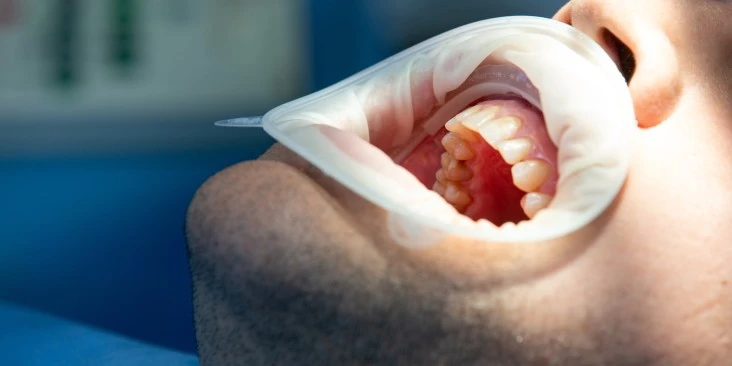
If you've seen a small, pimple-like bump on your gums, have you ever wondered what it is? It may look like an ordinary pimple, but it could be a gum boil.
A gum boil forms in the area around a tooth or gum tissue due to a bacterial infection, resulting in a swelling filled with pus. It can also be referred to as a gum abscess. The swelling can be red, white, or yellowish and tender to the touch.
For some, it might be painful to chew, while for others, it may be painless. Although it may not be painful, a gum boil should not be ignored, as it may still be infected.
Why Does a Gum Boil Develop?
A gum boil typically forms due to bacteria in the tissue surrounding the tooth or gums. There are several dental issues that can raise the risk.
Common Causes of Gum Boils
Tooth decay that is not treated: Cavities that go deep into the tooth allow bacteria to infect its inner part.
Gum disease: Bacteria can grow inside deep spaces between the teeth and gums, causing an abscess.
Cracked teeth: A crack in the tooth can let bacteria in and infect the dental pulp.
Inadequate brushing and flossing: Not brushing and flossing properly allows plaque to accumulate around the teeth.
Sharp food particles: Sharp food particles that become lodged in the gums may irritate and sometimes infect the gums.
Impacted wisdom teeth: When wisdom teeth are only partially erupted, food and bacteria can get trapped under the gum tissue.
Individuals who have poorly controlled diabetes or compromised immune systems may also be more susceptible to dental infections.
Symptoms of a Gum Boil
Symptoms may differ depending on the site and extent of the infection. Swollen gums around one tooth.
Common Signs and Symptoms
A small, pimple-like bump on the gum.
Redness and swelling around the affected tooth.
Pain while chewing or biting.
Pus coming out of the swollen area.
Foul odour or an unpleasant taste in the mouth.
Swelling or pain around the affected tooth.
Enlarged lymph nodes near the jaw or neck.
Fever in some instances.
An important thing to keep in mind is that sometimes there is no pain associated with a gum boil.
In some cases, the pus leaks out of a tiny hole in the gums. This relieves pressure within the infected area and possibly decreases the size of the swelling. However, the infection can persist around the root of the tooth.
What Are the Different Types of Gum Boils?
There are three common forms of dental abscesses that can cause swelling on or around the gums.
1. Gingival Abscess
A gingival abscess forms in the gums, typically close to the gumline. It can happen if bacteria invade the gums through a small opening or food gets stuck in the gums.
2. Periodontal Abscess
A periodontal abscess occurs in the deeper tissues that hold the teeth in place. It is often related to gum disease.
Common symptoms include swollen gums, pus discharge, pain and difficulty chewing food.
3. Periapical Abscess
A periapical abscess occurs in the area around the base of a tooth. It is typically associated with a bacterial infection of the dental pulp as a result of a deep cavity, crack or dental injury.
The infection may spread to the surrounding bone and eventually cause a gum boil.
How Is a Gum Boil Diagnosed?
A dentist will check your teeth and look for changes in gum color to find out where the infection is coming from.
Tests Used to Diagnose a Gum Boil
Clinical examination: The dentist looks for swelling, redness, pus and broken teeth.
Dental X-rays: X-rays can reveal any infection around the tooth root and bone changes in the area.
Periodontal examination: A periodontal probe is used to measure the spaces between your teeth and gums to identify any deep pockets that may exist.
Pulp vitality testing: A cold test or another pulp test can be performed to see if the nerve tissue in the tooth is responding normally.
These tests enable the dentist to determine the best treatment.
How Is a Gum Boil Treated?
Treatment depends on the cause of the infection. It is important to keep in mind that just draining the pus would not be sufficient, as the underlying issue needs to be addressed as well.
1. Drainage of the Abscess
The dentist may make a small opening to drain the pus. This will help minimise swelling, pressure and discomfort.
2. Root Canal Treatment
If the infection occurs within the tooth, you might need root canal treatment.
The infected pulp is removed, and the root canals are cleaned, disinfected and sealed. This will help preserve the natural tooth.
3. Deep Cleaning
Scaling and root planing (SRP) might be suggested if gum disease is the cause. This process will eliminate plaque and tartar below the gumline.
4. Tooth Extraction
If the damaged tooth is so badly compromised that it is unlikely to be saved, the dentist may decide to extract it.
5. Antibiotics
Antibiotics may be used if the infection is spreading or if it is accompanied by fever and other symptoms of a general infection.
However, antibiotics alone are not effective in treating the source of a dental abscess. Temporary relief for gum abscess pain or removal of the infected tooth is typically required.


Consult a dental surgeon
Can You Treat a Gum Boil at Home?
Home remedies might help alleviate symptoms temporarily, but they will not cure the infection.
Home Care Tips for Gum Boils
Saltwater rinse: Fill a glass with lukewarm water and add ½ teaspoon of salt. Rinse and spit it out. Ways to manage dental abscess pain temporarily.
Practise good oral hygiene: Gently brush with a soft-bristled toothbrush.
Eat soft foods: Avoid hard or crunchy foods that may irritate the swollen area.
Stay well hydrated: Adequate water intake helps maintain saliva production.
Avoid tobacco: Smoking and chewing tobacco can aggravate gum problems.
Never squeeze, prick or pop a gum boil yourself. This can cause damage to nearby tissues and make the white spots on the gums.
When Should You Visit a Dentist?
See a dentist as soon as possible if you have any concerns about swelling on your gums, even if it is not painful.
Warning Signs That Need Urgent Attention
If you have any of the following, seek immediate medical or dental attention:
Fever and swelling of the face.
Worsening pain and swelling.
Difficulty opening your mouth.
Swelling spreading towards the neck or eye.
Difficulty swallowing or breathing.
If someone has trouble breathing or swallowing, seek emergency medical attention.
If left untreated, the infection can penetrate the surrounding bone tissue and spread to adjacent tissues.
How Can You Avoid Gum Boils?
Proper oral care will minimize your chances of getting a dental infection.
Tips to Prevent Gum Boils
Brush your teeth twice a day with fluoride toothpaste.
Floss once a day.
Cut back on sugary foods and beverages.
Visit your dentist regularly.
Get cavities treated on time.
Avoid smoking and chewing tobacco.
Manage diabetes with proper medical care.
Frequently asked questions
Can a gum boil disappear on its own?
A gum boil may burst and release pus, making the swelling smaller. However, the infection may remain underneath the gum and require dental treatment.
Is a gum boil always painful?
No. Some gum boils are painless, especially when pus drains through a small opening. However, painless swelling can still indicate an active infection.
Can antibiotics cure a gum boil?
Antibiotics may help control an infection that is spreading, but they cannot replace procedures such as root canal treatment, drainage or deep cleaning.