Ever had the thought of replacing a cup of black coffee with green herbal tea in the morning? If you are looking for a natural drink to try, moringa tea might be worth starting with.
It is made from the leaves of the moringa tree, a plant widely grown in India and other warm regions. Moringa is also known as the drumstick tree due to its long seed pods that are used to cook. Leaves and pods are popular ingredients in traditional dishes in India.
The leaves are also rich in plant compounds which are being investigated for their potential health benefits. Let's explore the benefits of this tea, how to make it at home and a few things to be aware of before incorporating it into your daily routine.
What Is Moringa Tea?
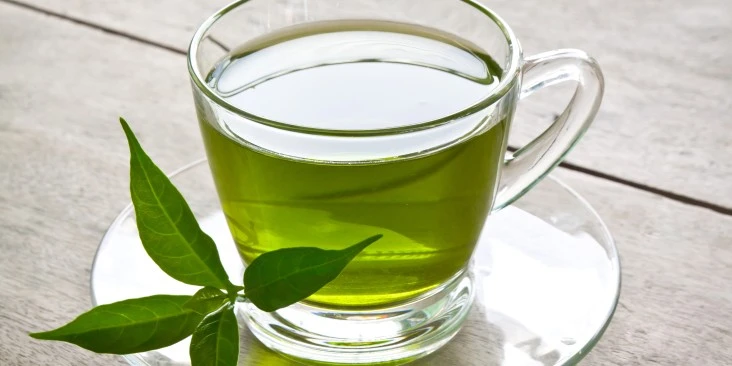
Moringa tea is a herbal tea made from dried or fresh moringa leaves. Its scientific name is Moringa oleifera. Moringa tea does not naturally contain caffeine, in contrast to a regular cup of tea, which is made from the tea plant Camellia sinensis. That makes it a choice for those who prefer a hot beverage without the added kick of caffeine.
The flavour is typically mild, earthy and somewhat grassy. Some love it plain, some add lemon or some add a little honey for flavor. It can be made with dried leaves or a tea bag. Another alternative is moringa leaf powder which may yield different texture and strength.
5 Potential Health Benefits of Moringa Tea
Moringa leaves contain plant compounds like polyphenols and flavonoids that act as antioxidants. However, studies on moringa leaves, powders, and extracts may not show the same benefits as drinking moringa tea.
Few of the potential benefits of moringa tea are as follows:
1. It Supplies Antioxidant Compounds
It is a source of antioxidants.
Free radicals are unstable molecules that are naturally occurring in your body. A high concentration of these molecules can lead to oxidative stress and harm cells.
The moringa leaves are rich in antioxidants such as polyphenols, flavonoids, etc.
Drinking this herbal beverage can be one way to include plant-based compounds in your diet. Nevertheless, a few more human studies are needed to see how much benefit there is to drinking a cup every day.
Fruits, vegetables, nuts and seeds are still a key part of your diet for a more diverse nutrient profile.
Not even moringa tea, despite its benefits, can replace the importance of a balanced diet
2. It Can Help Maintain Good Blood Sugar
Blood sugar is the amount of glucose in your bloodstream. Glucose is a source of energy for your body, but high blood sugar can cause health issues.
Moringa has been studied for its ability to influence blood sugar on the basis of research and studies in animals, which indicate that moringa compounds can alter blood sugar levels.
A cup of moringa tea can't be a substitute for any prescribed diabetes medication, recommended diet for diabetes or regular checking of blood sugar levels.
Consult your health care provider before routinely taking moringa products if you are taking a drug that lowers blood sugar.
3. It Can Contribute to Heart Health
Heart health is dependent on a well-balanced blood pressure and cholesterol.
Researchers have studied whether moringa can help lower blood pressure and cholesterol.
A 2025 review of nine studies found no clear benefits for most heart health measures. More research is needed to understand its effects.
This means moringa may have some health benefits, but its effects on heart health are still not proven.
To protect your heart health on a day-to-day basis, try to exercise regularly, eat a healthy diet, get plenty of rest, and seek medical advice as needed.
4. It Can Be a Component of a Healthy Weight Management Regimen
When trying to control weight, swapping a sugary beverage for unsweetened herbal tea may help cut back on the amount of added sugar consumed.
You can, for instance, swap out a sweetened drink of the afternoon for a cup of moringa tea. This small adjustment can help you cut a bit of calories, depending on what you typically drink.
But as of now, there is no great proof that this tea directly influences fat the body burns or it leads to considerable weight reduction.
Your diet, exercise, sleep, health and other factors all affect your weight. None of the drinks are a substitute for these essentials.
5. It Provides a Caffeine-Free Drink Option
Like a warm drink in the evening, but not wanting to drink caffeine?
The leaves are naturally free of caffeine, so moringa tea could be an ideal solution.
Can be served plain or with a hint of lemon. If a packaged herbal formula is purchased, see the ingredients as it might contain other ingredients in addition to green tea or black tea that may contain caffeine.
Keep in mind that caffeine-free doesn't necessarily mean appropriate for all people. Personal health conditions and medications still count.
How to Make Moringa Tea at Home
It will only take a few minutes to prepare moringa tea. To make moringa tea at home, you should follow these steps:
Ingredients
The dried moringa leaves are about 1 teaspoon.
There is a 240 ml (1 cup) of water.
Some lemon juice (optional)
A little honey (optional)
Preparation Steps
Step 1: Boil the Water
Bring 1 cup water to a boil, and cool briefly.
Step 2: Toss in the Leaves
Add the dried moringa leaves to a cup and top with the hot water.
Step 3: Steep It
Keep leaves in water for ~5 minutes. The longer they can be steeped, the stronger the flavor will be.
Step 4: Drain the Tea
Strain out the leaves with fine strainer.
Step 5: Make the Flavor Adjustments
If desired, add a small amount of lemon juice or honey.
Your Moringa Herbal tea is ready.
If you are using it for the first time, start small and determine how much you can handle. No scientific evidence exists to prove that there is any specific amount of this tea that can provide any health benefit.


Consult a internal medicine specialist
When Is the Best Time to Drink Moringa Tea?
The choice may be based on your taste and lifestyle.
Morning
Make a warm cup of something for breakfast rather than a sugary beverage.
In the Afternoon
Drink it during a working break for a refreshing afternoon.
At Night
As a non-caffeinated tea substitute (as long as it doesn't contain any added caffeine).
It doesn't have to be taken on an empty stomach. If you do not eat and get queasy when drinking herbal drinks, try having them after you eat. Most of all, the more often you consume it, the more health benefits you will not receive.
Side Effects and Precautions
Moringa leaves are edible. That doesn't necessarily mean all moringa products are safe for all individuals. Moringa supplements or concentrates may cause digestive discomfort to some individuals. There is also limited evidence of safety with prolonged use.
Be cautious and discuss with your doctor before consuming moringa tea in the following conditions:
Pregnancy and Breastfeeding
Do not use moringa for health during pregnancy or lactation unless advised to do so by a health care professional.
Limited information is available about safety, especially for concentrated supplements.
Do not use Moringa root or root extracts, as this has other safety concerns than the leaves.
Diabetes Medication
The effect of moringa on blood-sugar is uncertain.
It may interfere with the blood glucose level when used in combination with diabetes drugs.
Talk with your healthcare provider before taking it on a regular basis and do not change your medication without doctor's advice.
Blood Pressure Medication
People who are on medication for high blood pressure should consult with their healthcare provider before taking concentrated moringa products.
They are not well understood and may interact with each other and other factors.
Digestive Discomfort
Moringa products can cause some people to feel nausea, stomach discomfort, or other digestive problems.
If there is an unpleasant reaction, stop drinking it. If your symptoms last a long time or are severe, get medical help.
Select the Right Product
Purchase moringa leaves from a trusted supplier. Read the label, ingredients and expiration date.
Never buy medicines or supplements that claim to cure diabetes, reverse heart disease or claim to lose weight quickly. This is a claim that is beyond the evidence and scientific support.
Frequently asked questions
Is moringa tea safe during pregnancy? Its safety during pregnancy has not been established. Speak with your healthcare professional before using moringa products, particularly concentrated preparations. Avoid moringa root and root extracts.
Its safety during pregnancy has not been established. Speak with your healthcare professional before using moringa products, particularly concentrated preparations. Avoid moringa root and root extracts.
Can I drink moringa tea every day?
Some adults may tolerate an ordinary serving, but there is limited evidence about the long-term safety of daily consumption. No standard daily amount has been established for specific health benefits. Ask your healthcare professional if you have a medical condition or take regular medication.
Does moringa tea contain caffeine?
Pure moringa leaf tea is naturally caffeine-free. However, packaged blends may contain caffeinated ingredients, so check the label before buying.
Can I drink moringa tea on an empty stomach?
There is no strong evidence that drinking it on an empty stomach provides extra benefits. If it causes nausea or stomach discomfort, have it after eating.
References
- Owens FS III, et al. The effects of Moringa oleifera on blood glucose levels: A scoping review of the literature. Complement Ther Med. 2020;50:102362. · source
- Crișan D, et al. Effects of Moringa oleifera Lam. Supplementation on Cardiometabolic Outcomes: A Meta-Analysis of Randomized Controlled Trials with GRADE Assessment. Nutrients. 2025;17(22):3501. · source
- Drugs.com. Moringa: Uses, Benefits & Dosage. Last updated February 19, 2026. · source