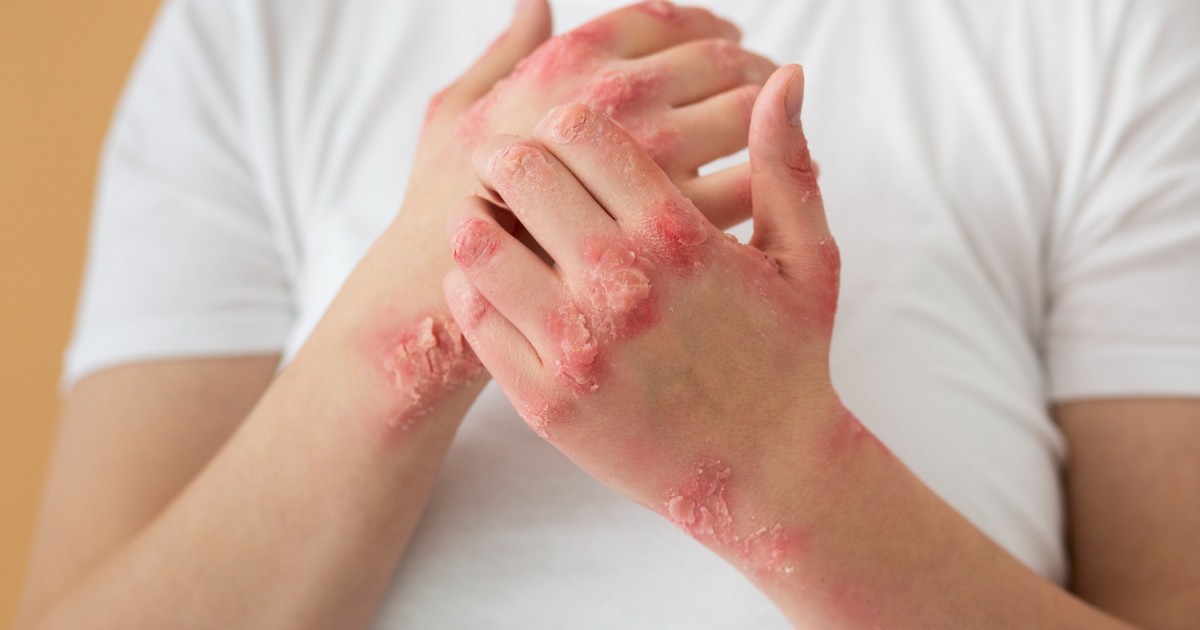
Why is eczema so itchy at night?
My daughter has eczema, and we've noticed that she scratches a lot more at night, disturbing her sleep. We try to keep the room cool and moisturized. Why is eczema so itchy specifically at night?
My daughter has eczema, and we've noticed that she scratches a lot more at night, disturbing her sleep. We try to keep the room cool and moisturized. Why is eczema so itchy specifically at night?
 8 months ago
Oh, beta, eczema's night itch is so common. I remember my niece struggling with this. It feels worse at night because during the day, we are busy, distracted. At night, with no distractions, every small sensation feels magnified. Plus, sometimes body temperature changes at night can make it worse. Just keep the skin moisturized.
8 months ago
Yes, happens to many. It's usually worse because of body temperature changes and fewer distractions at night.
4 months ago
There are a few reasons for increased itch at night. Our body's natural corticosteroid levels (which help reduce inflammation) are lower at night, while histamine levels (which promote itching) tend to be higher. Plus, less external stimulation and a warmer bed environment can make you more aware of the itch and increase blood flow to the skin, aggravating it.

 8 months ago
I used to panic about every little symptom, but this one is actually quite common with eczema. My dermatologist told me it's because our bodies naturally produce less anti-inflammatory hormones at night, and our focus is entirely on our body when we're trying to sleep. Also, warmer bed environment can make it worse. Just try to keep the room cool and moisturize really well before bed.
9 months ago
Oh god, I always overthink why certain things happen to my body, and the night itch for eczema is definitely one of them! It's so frustrating and makes me anxious about getting proper sleep. But I've heard it's because our body's natural anti-itch hormones are lower at night, and our perception of pain is higher. It really sucks for anyone dealing with it.
9 months ago
In the stillness of the night, our awareness shifts inward. With less external stimulation, sensations like itching become more pronounced. From a physical perspective, perhaps reduced circulation or changes in body temperature during sleep also play a role. Gentle breathing and mindfulness before bed can sometimes help in calming the mind, reducing the perception of intense itching.
Learn the key differences between psoriasis vs eczema, including symptoms, causes, triggers, body locati...
Most people are afraid to come in close contact with Eczema patients thinking that they will acquire the ...
Have your gums suddenly started itching, tingling, or feeling irritated for no obvious reason? You are no...
Stop nighttime coughing naturally by elevating your head, using a humidifier, sipping warm tea or honey, ...
9 months ago
Aiyo, it's because when you are lying down, your body gets warmer, and the skin feels more dry. Also, during the day, we are busy with work, so we don't notice it much. But at night, all thoughts come to the itch. Just apply some good cream before sleeping, it might help.
9 months ago
It's a common observation. Scientifically, several factors contribute to increased nocturnal itching in eczema. These include circadian rhythms affecting skin barrier function, inflammation, and sensory perception, as well as changes in skin temperature and hydration levels. While these explanations are useful, effective management always requires a proper diagnosis and tailored advice from a dermatologist.
Get the Zerunio health brief
Evidence-based health, reviewed by clinicians. Free, weekly.
Enter your phone number – we’ll text you a one-time code.