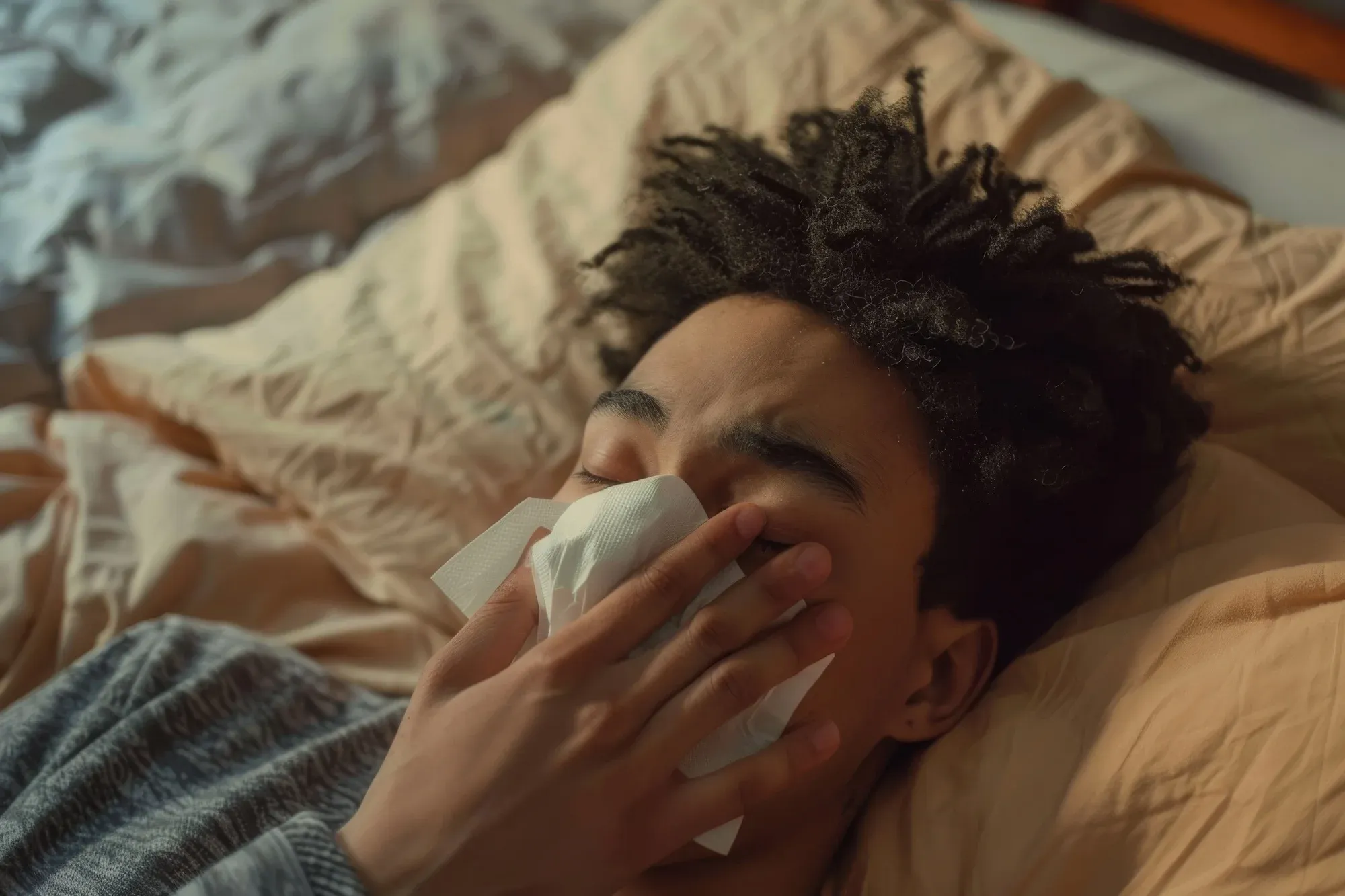
Why high fever at night?
My son often gets a fever, and I've noticed a pattern: it's usually mild during the day, but then goes quite high, sometimes even 102-103°F, around midnight. Why does fever tend to spike at night?
My son often gets a fever, and I've noticed a pattern: it's usually mild during the day, but then goes quite high, sometimes even 102-103°F, around midnight. Why does fever tend to spike at night?
 6 months ago
This is a common experience, and it can be quite unsettling. Our body's natural circadian rhythm plays a role, with body temperature naturally peaking in the evening. Also, our immune system might be more active at night, releasing more fever-inducing chemicals. If the fever is very high or persistent, especially with any other unusual symptoms, it’s always best to consult a doctor to rule out anything serious. Don't take chances.
6 months ago
The phenomenon of fever spiking at night is quite common and is attributed to several physiological factors. Our body's natural circadian rhythm causes a slight increase in core body temperature in the evening. Additionally, the immune system often becomes more active at night, releasing more fever-inducing cytokines. While this is often normal, if the fever is very high, persistent, or accompanied by severe symptoms, it's crucial to seek medical advice from a doctor.
6 months ago
I totally get why this is frustrating; it feels like your body is just messing with you when you're trying to rest! It's generally because our immune system actually ramps up its activity at night, releasing compounds that fight infection but also increase body temperature. Plus, during the day, distractions make you less aware of the fever. So it feels worse at night.

 6 months ago
There are many theories online about why fever is higher at night, related to circadian rhythms and immune response. But honestly, if you have high fever, especially at night, don't just rely on internet explanations or home remedies. It needs proper medical attention. Get it checked by a real doctor to understand the underlying cause and get appropriate treatment.
4 months ago
It's true that fevers often seem worse at night. Our bodies have natural temperature fluctuations. Also, during sleep, your immune system is working hard to fight off infection, which can temporarily increase your temperature. It's always good to stay hydrated with warm liquids and have light, nourishing food even with fever. But if it's very high, please consult a physician.
Discover the surprising benefits of high oleic oil. Is sunflower oil healthy? is sunflower oil inflammato...
Stop nighttime coughing naturally by elevating your head, using a humidifier, sipping warm tea or honey, ...
High cortisol can be found in anyone irrespective of their gender which can affect overall well-being of ...
You just received your blood test results and found that your alkaline phosphatase (ALP) levels are high....
4 months ago
Bhai, this happens because your body's immune system is more active at night. It starts fighting the infection harder, which raises your body temperature. Plus, during the day, you're distracted, but at night, you're lying down and feeling every symptom more. Take a paracetamol and rest properly. If it's too high, see a doctor, don't take risks.
Get the Zerunio health brief
Evidence-based health, reviewed by clinicians. Free, weekly.
Enter your phone number – we’ll text you a one-time code.