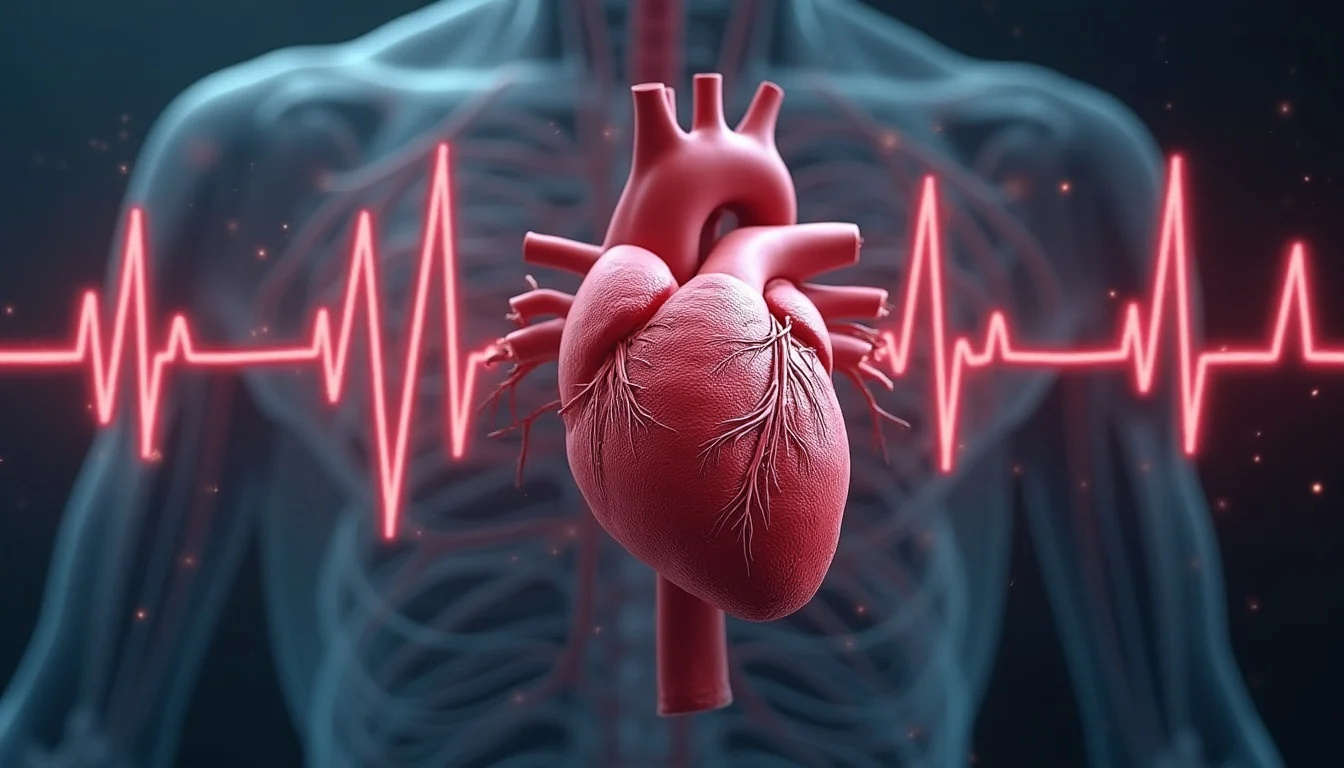
Why do heart attacks happen in the morning?
My uncle had a heart attack early in the morning, around 6 AM, and I've heard this is a common time. Is there any particular reason why heart attacks happen more frequently in the morning?
Hey! So I've heard about this too, it's kinda scary, right? But apparently, our body's hormones, like cortisol, surge in the morning to wake us up. This can make blood thicker and blood pressure higher, increasing risk. Don't stress too much about it, but it's a good reminder to start your day calmly and stay hydrated.
Morning mein hota hai kyunki body ki system tabhi sabse zyada active hoti hai. Blood pressure upar jaata hai, hormones release hote hain. Agar pehle se kuch problem hai arteries mein, toh morning stress usko trigger kar sakta hai. Isliye, uthte hi ekdum se bhaag daudi mat karo, thoda shaanti se utho. And important, doc ne bola hai toh medicines time pe lo.
Studies do show a higher incidence of heart attacks in the early morning hours. This is often linked to the body's natural circadian rhythm. Hormones like adrenaline and cortisol rise upon waking, leading to increased blood pressure, heart rate, and blood viscosity. These changes can make a pre-existing plaque rupture more likely. It's why taking morning medications is crucial for at-risk individuals.
Morning heart attacks are linked to circadian rhythms. Upon waking, there's a natural increase in blood pressure, heart rate, and hormonal activity (cortisol, adrenaline). This physiological stress can trigger events if arteries are already vulnerable. Practical advice: manage stress, ensure consistent medication if prescribed, and avoid intense physical activity right after waking.
The phenomenon of heart attacks occurring more frequently in the morning is well-researched. It's primarily due to a combination of physiological changes upon waking: a surge in sympathetic nervous system activity, increased blood pressure, heightened platelet stickiness, and a rise in cortisol levels. These factors can increase the risk of plaque rupture and clot formation. For detailed, personalized advice, always consult a cardiologist.
Haha, even my heart wants to peace out in the morning, I guess! It's probably like, 'Ugh, another day, fine, but let me do one last dramatic act!' Seriously though, I heard it's because of some hormone spikes when you wake up. Maybe I should just stay in bed forever to avoid it. Just kidding... mostly.
Oh, that's a scary thought! Maybe it's because our bodies are all groggy and grumpy after sleep, and then suddenly get jolted into action? Like when you haven't had your morning chai/coffee and feel like the world is ending! Jokes aside, I heard it's something to do with blood pressure changes. Gotta eat a good, hearty breakfast, I guess!
Oh, I've heard this too, it's quite scary! 😮 Apparently, our bodies release a lot of stress hormones like cortisol in the morning to get us ready for the day, which can temporarily increase blood pressure and heart rate. So that's probably why! Stay healthy everyone! 💪
From a fitness perspective, it highlights the importance of not just exercising, but also managing morning stress. Our blood becomes thicker and BP rises when we wake up. A proper cool-down after waking up, light stretching, and proper hydration can actually help. And of course, consistent diet and exercise, not just sporadic efforts.
Shortness of breath and nasal congestion can signal allergies, infections, or sinus issues. Learn common ...
Sinus arrhythmia means natural variation in heart rate that occurs even though the heart rhythm is still ...
Heart palpitations are common and often harmless, but sometimes they may signal a problem. A fast or irre...
Why do gums bleed during pregnancy? Learn why bleeding gums happen during pregnancy, the symptoms to watc...
It's true, heart attacks are more common in the morning due to body changes after waking up.
This is so serious, I had no idea! So, is there anything specific we can do in the mornings to reduce this risk? Like, should we avoid exercising early or something? This makes me a little nervous.
Ho na, subah ka time thoda critical hota hai. Apna body jo hai na, poori raat rest ke baad, subah fir se active hota hai. Blood pressure, hormones, sab change hote hain. Isliye docs bhi bolte hain ki subah uthke ekdum se heavy kaam mat karo, thoda aaram se din shuru karo.
Get the Zerunio health brief
Evidence-based health, reviewed by clinicians. Free, weekly.
Enter your phone number – we’ll text you a one-time code.