When does a fever become dangerous?
My child has had a fever for a day, and I'm monitoring it closely. At what temperature or under what circumstances does a fever become dangerous and need immediate medical attention?
My child has had a fever for a day, and I'm monitoring it closely. At what temperature or under what circumstances does a fever become dangerous and need immediate medical attention?
 5 months ago
A fever definitely needs attention, especially if it's high or lasts long. For adults, generally above 103°F (39.4°C) needs a doctor. If you have underlying conditions like thyroid issues, any prolonged fever can be more impactful, so early consultation and regular check-ups are always best.
5 months ago
I totally get how worrying a fever can be! For adults, a fever over 103°F (39.4°C) is generally considered concerning, especially if it doesn't come down with medication or if you have other symptoms. For babies or elderly, the threshold is often lower, so always be vigilant.
5 months ago
Hey! So for adults, usually a fever above 103°F (39.4°C) is when you should really be concerned, or if it's lower but lasts more than 3 days. And if you have other severe symptoms with it, like trouble breathing, then definitely see a doc. Don't stress too much but do take it seriously!

 5 months ago
Simple rule: if fever crosses 103°F in adults, or if it's accompanied by severe symptoms like confusion, breathing trouble, or stiff neck, don't wait. For kids, especially infants, even 100.4°F is a red flag. Always consult a doc quickly.
5 months ago
Honestly, a fever becomes dangerous when you start relying on random internet advice instead of asking a real doctor. Generally, above 103°F for adults, or if it's persistent, or if there are other concerning symptoms, you need to see a medical professional. Don't self-diagnose based on forums.
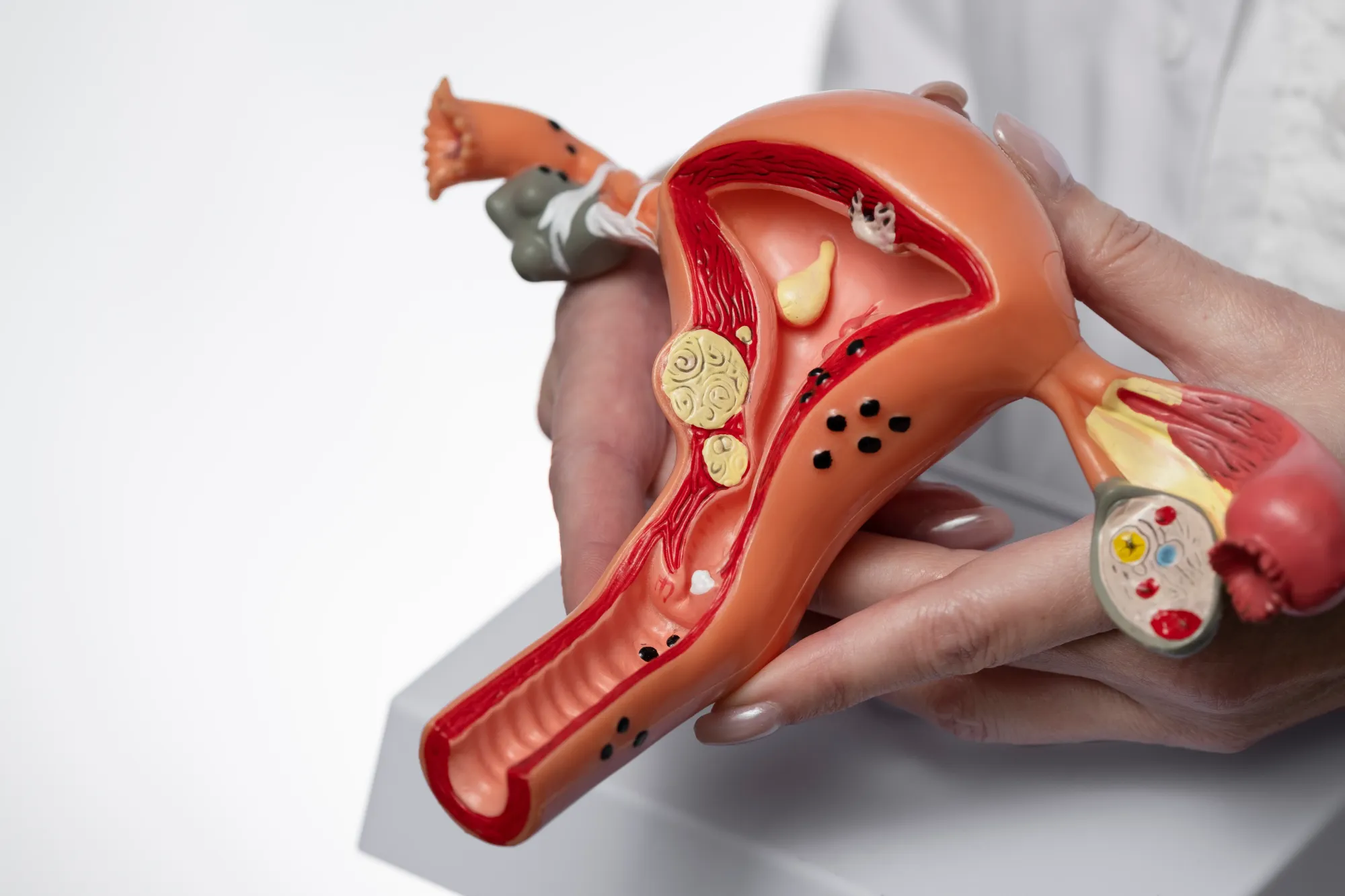
Wondering what size of an ovarian cyst is dangerous? While most cysts are harmless and resolve naturally,...
4 months ago
Fevers are really scary, aren't they? I remember feeling so helpless when my child had a high fever. It usually becomes dangerous if it goes really high, like above 103°F, or if it lasts for more than a couple of days, especially with other symptoms. Please don't hesitate to see a doctor if you're worried.
Get the Zerunio health brief
Evidence-based health, reviewed by clinicians. Free, weekly.
Enter your phone number – we’ll text you a one-time code.