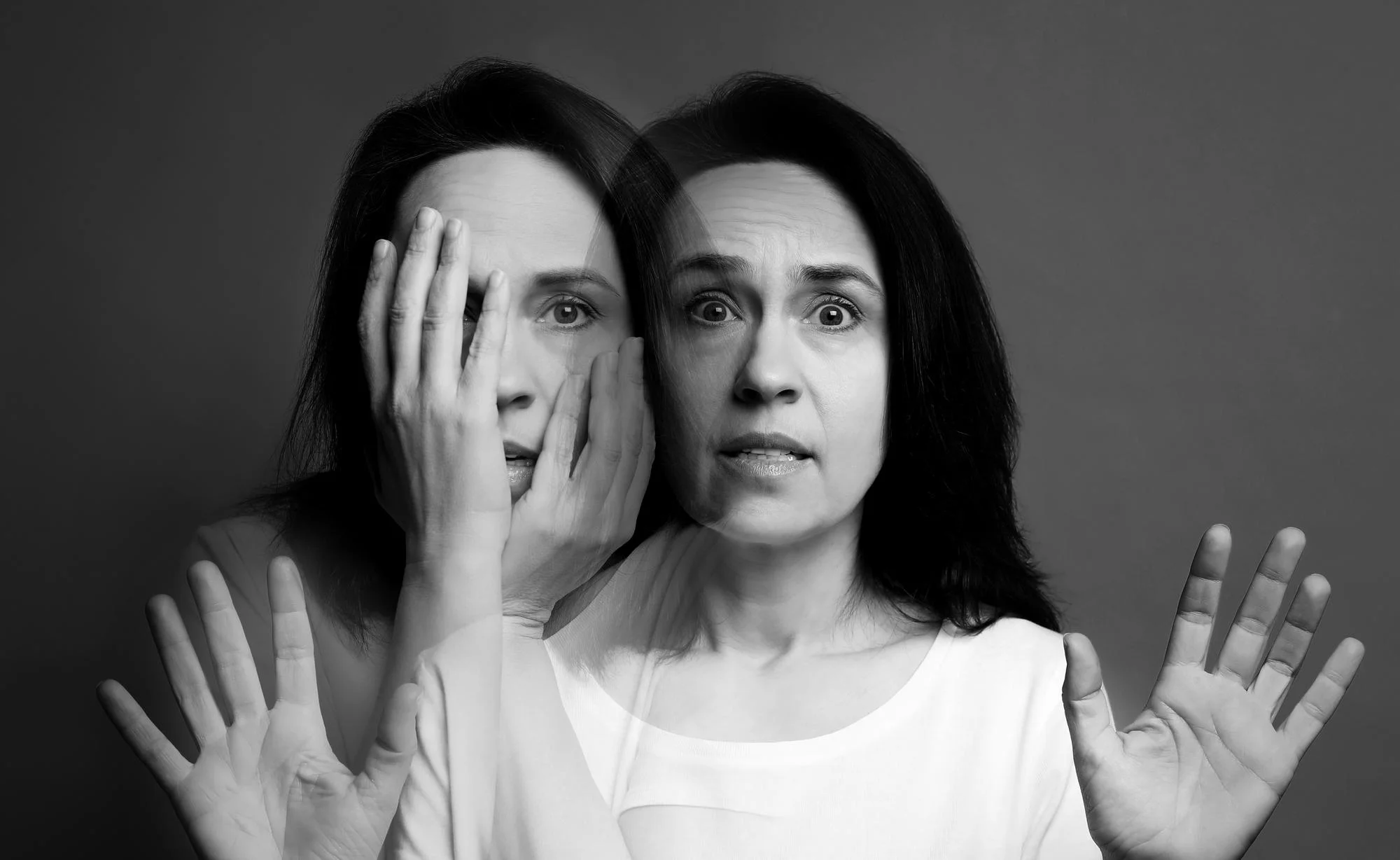
What is a relapse in mental health?
My cousin has been undergoing treatment for anxiety, and lately, she's not doing so well again. What exactly is a 'relapse' in terms of mental health, and how can one identify it?
From what I've seen with someone close, it's like when you're feeling better for a while, but then some old feelings or struggles come back. It's not a failure, just a bump in the road. Important to remember that, I think.
My friend went through something similar, and it got really serious because they ignored the early signs. If you suspect a relapse, please consult a mental health professional immediately. Don't wait, it can complicate things.
For my son, it means when his anxiety symptoms, which were under control, start acting up again. We have a plan with his therapist to recognise the triggers and what steps to take. It's about being prepared and knowing what to do.
Oh, is it like when someone feels good for some time, and then things go back to how they were before? So, like, the progress gets undone? Does it mean the treatment didn't work then?
I've been reading about this too, just to understand mental health better. It seems like it's a return of symptoms after a period of stability. It's a common part of recovery for many conditions, so it's good to be aware.
Struggling with ADHD? Vyvanse and Adderall are two common treatments that can improve focus and control s...
Bipolar Disorder is primarily a mood regulation disorder. The key feature is episodic changes in mood and...
Chia Seeds vs Flax Seeds: compare nutrition, fiber, omega-3s, digestion, weight management, heart health,...
Discover what may cause a lump on the roof of the mouth, how to manage minor irritation, and which warnin...
You know, this is something important to understand from a doctor. When I visit my specialist at Apollo, they explain these things very clearly. Best to ask your psychiatrist or therapist what exactly a relapse looks like for your specific condition. Don't rely on random advice.
Get the Zerunio health brief
Evidence-based health, reviewed by clinicians. Free, weekly.
Enter your phone number – we’ll text you a one-time code.