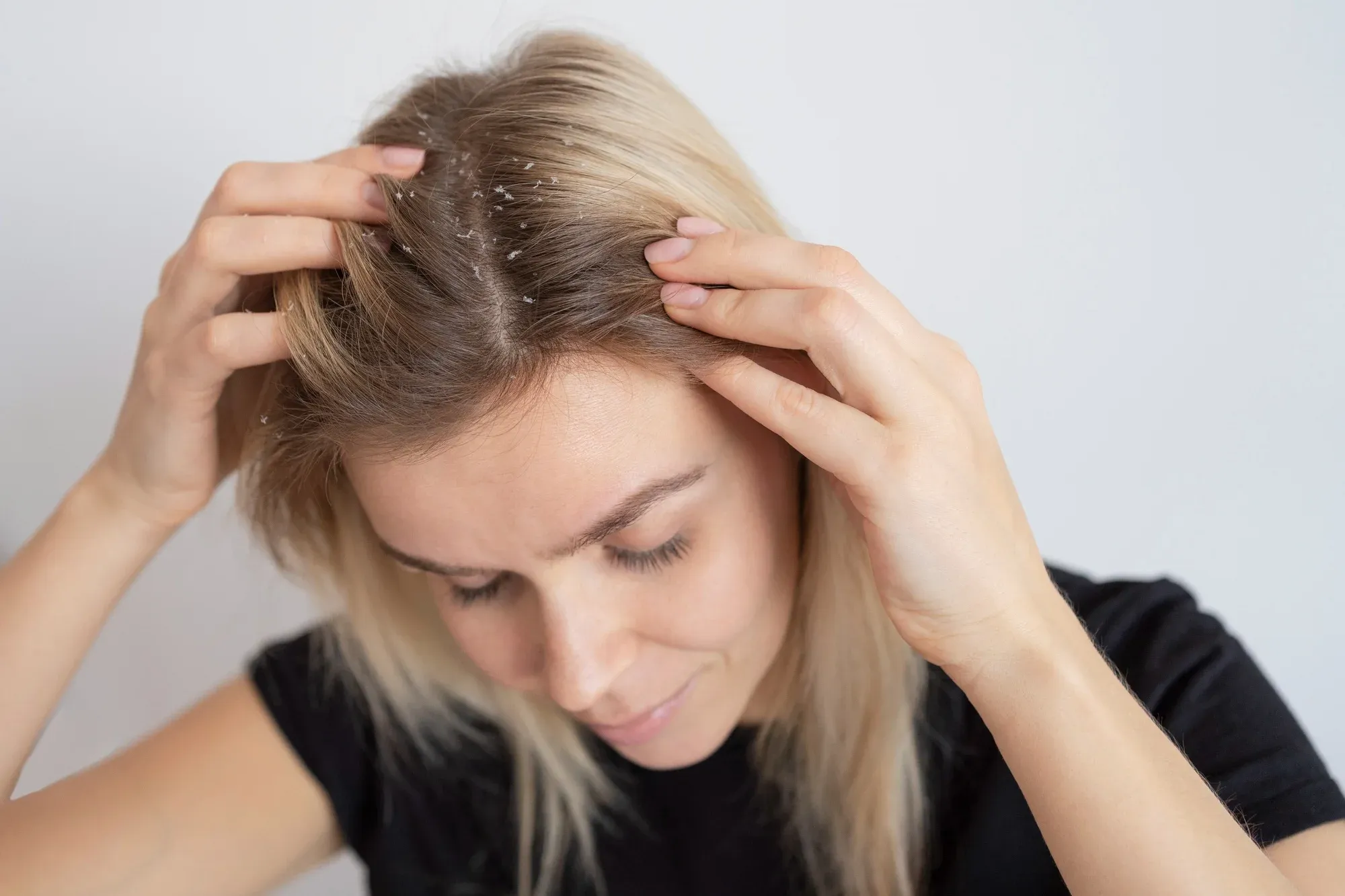
What does fungal dandruff look like?
I've been having a lot of flakiness and itching on my scalp, and some of my friends suggested it might be fungal dandruff. What does fungal dandruff typically look like?
I've been having a lot of flakiness and itching on my scalp, and some of my friends suggested it might be fungal dandruff. What does fungal dandruff typically look like?
 7 months ago
Fungal dandruff, medically known as seborrheic dermatitis, typically appears as yellowish, greasy scales on the scalp, often accompanied by redness and itching. It can also affect other oily areas of the body. While over-the-counter antifungal shampoos can help, persistent cases warrant a dermatologist's consultation for proper diagnosis and treatment.
7 months ago
Yaar, fungal dandruff is super annoying! Actually, it's not like the normal dry, white flakes. This one is more yellowish, greasy, and really sticks to your scalp. And the itching is next level! My barber told me to use a medicated shampoo and it helped a lot. So, try that first.
7 months ago
I had this, dude. It was not just white flakes, but like, yellowish, sticky stuff on my scalp, and my head was itching like crazy all the time. Felt really gross. A special shampoo from the chemist helped me out big time. Regular shampoo wasn't doing anything.
7 months ago
Fungal dandruff, or seborrheic dermatitis, is characterized by greasy, yellowish scales and redness. While topical treatments are key, I always recommend looking at diet too. Reducing processed foods and increasing fresh, whole foods can support overall skin health and might indirectly help manage such conditions. But for direct treatment, medical intervention is needed.
7 months ago
Keeping active is important for overall health, but even fitness enthusiasts can get fungal dandruff. It often appears as persistent, yellowish, greasy flakes and redness on the scalp. Sweating can sometimes worsen it, so always keep your scalp clean after workouts. Using a medicated shampoo if needed is a good step.
7 months ago
I've learned to be cautious with skin conditions. Fungal dandruff, if left untreated, can lead to more severe irritation and even hair loss in some cases. It looks like greasy, yellowish scales with redness. Please don't just ignore it; see a doctor if basic anti-dandruff shampoos aren't working.

 7 months ago
Fungal dandruff usually appears as yellowish, oily, and sticky flakes with an itchy, red scalp.
7 months ago
Honestly, trying to visually distinguish fungal dandruff from other scalp conditions just from online descriptions is tough. Fungal dandruff (seborrheic dermatitis) typically involves greasy, yellowish scales and inflamed skin. But if you have persistent scalp issues, don't trust random internet remedies. A dermatologist can give you a proper diagnosis and the right medicated shampoo.
7 months ago
Ugh, dealing with any kind of dandruff is so embarrassing and makes you feel so self-conscious. Fungal dandruff, for me, was these annoying yellowish, greasy flakes that seemed to stick to my hair and scalp, plus the constant itching was just maddening. It really affected my confidence, honestly.
7 months ago
Hey, don't stress too much! But fungal dandruff is a bit different from regular dry flakes. It often looks more yellowish and greasy, almost like stuck-on scales, and your scalp can be super itchy and even a bit red. So if yours is like that, maybe try an antifungal shampoo or ask a doc.
7 months ago
My son had this once. It looked like yellow, oily flakes stuck to his scalp, not just dry white ones. His scalp also seemed a bit red and he would scratch a lot. The pediatrician suggested a special shampoo and it cleared up. It's different from regular dry dandruff.
Dry scalp vs Dandruff can be confusing as both cause itchiness and flaking of the scalp. This guide will ...
6 months ago
I've seen so many types of dandruff! Fungal dandruff usually looks more yellow and oily, sticking to the scalp, not just flaking off dryly. It also makes your scalp itch like crazy. I tried apple cider vinegar and neem packs, which helped a bit, but for severe cases, an anti-fungal shampoo from the chemist was actually necessary.
4 months ago
Hello! I've seen many questions on this. Fungal dandruff often presents as yellowish, oily flakes that are more adherent to the scalp than regular dry dandruff. You might also notice redness and considerable itching. Using an antifungal shampoo is typically the first line of action, but if it doesn't resolve, a dermatologist can help best.
4 months ago
Fungal dandruff looks like oily, yellowish flakes. It's different from the dry white ones. Sometimes, regular shampoos won't work, and you need a special antifungal one which can be a bit more expensive. But it's better to invest in the right product for relief rather than spending on many ineffective remedies.
4 months ago
Don't worry too much, many people face this. Fungal dandruff often looks like yellow, oily scales on your scalp, and it usually causes more itching and redness compared to regular dry dandruff. It's often manageable with specific anti-fungal shampoos. Just be gentle with your scalp and consistent with treatment.
Get the Zerunio health brief
Evidence-based health, reviewed by clinicians. Free, weekly.
Enter your phone number – we’ll text you a one-time code.