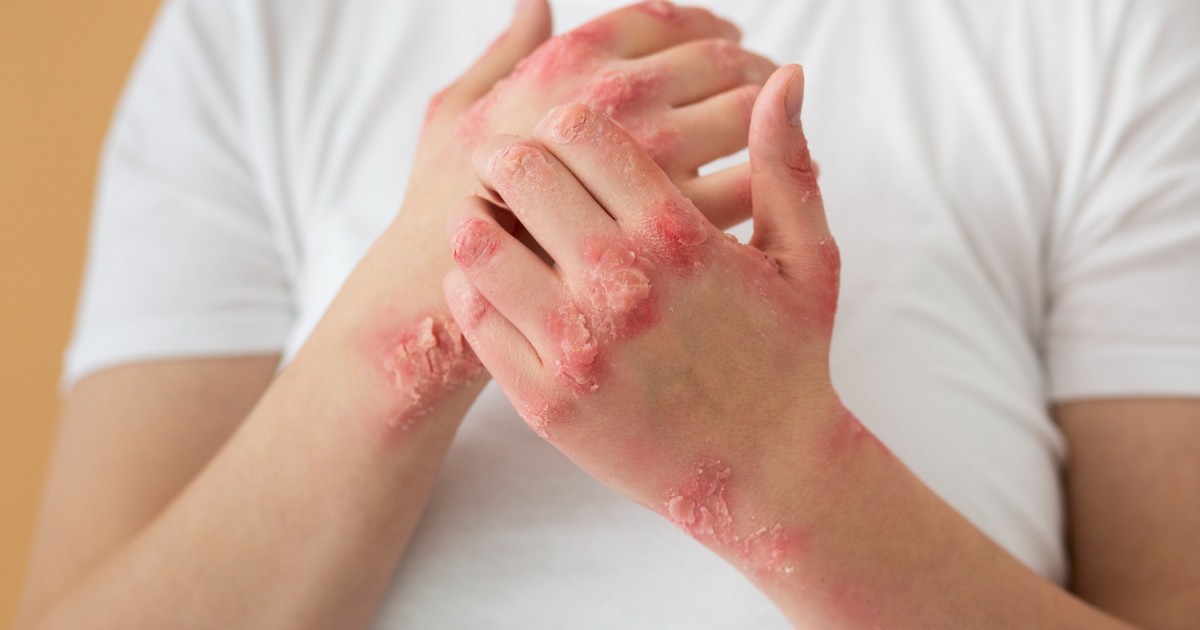
What are the 3 stages of eczema?
My younger sister was just diagnosed with eczema, and we're trying to understand more about it. The doctor mentioned different stages, but I'm a bit confused. What are the main stages of eczema?
My younger sister was just diagnosed with eczema, and we're trying to understand more about it. The doctor mentioned different stages, but I'm a bit confused. What are the main stages of eczema?
 6 months ago
Eczema is a tricky one, I've dealt with it for years. Basically, it starts with acute eczema – red, itchy, sometimes weeping skin. Then it can progress to subacute, where it's less intense but still red and scaly. Finally, chronic eczema is thick, leathery, and very itchy. The key is to manage it well in the acute stage to prevent it from becoming chronic. Moisturize, moisturize, moisturize!
8 months ago
Eczema, like many health issues, needs careful management. I've seen it affect family members. Generally, it's described as acute (red, itchy, sometimes blistering), subacute (less severe but still irritated), and chronic (thickened, dark, very itchy skin). Keeping overall health in check, including BP, and regular doctor visits are important for any condition.
9 months ago
Eczema can be quite uncomfortable, impacting daily life. I've read about its stages: acute (initial flare-up, very red and itchy), subacute (less intense, but still inflamed), and chronic (thickened, discolored skin). Staying fit and active helps overall immunity, but for eczema, definitely consult a dermatologist. Avoid triggers and keep skin hydrated.
9 months ago
Haye Ram, eczema bahut kharab bimari hai. Humare gaon mein bhi bahut log pareshan rehte hain. Maine suna hai ki pehle laal, khujli wali daane hote hain, phir thoda halka hota hai, aur phir agar dhyan na do toh chamdi moti ho jaati hai. Hamesha naram sabun aur tel lagana chahiye, aur doctor ko dikhana chahiye. Apne shauk se mat karna kuch bhi.
8 months ago
I had a patchy skin condition once, not sure if it was exactly eczema, but it was similar. The doctor explained how skin conditions can change over time. From what I recall, they spoke of an initial flare-up, then a less active phase, and then sometimes a long-term thickening of the skin. It's really best to get a proper diagnosis from a dermatologist.

 9 months ago
Eczema has actual medical stages: acute, subacute, and chronic. You'll see a lot of random 'cures' online, but don't trust them. Each stage needs a specific approach, and only a qualified dermatologist can tell you which stage you're in and what treatment is appropriate. Verify everything with a doctor, especially for skin conditions.
9 months ago
Eczema is a skin condition that requires careful attention, just like managing diabetes. The stages are generally acute (red, inflamed, sometimes weeping), subacute (less wet, more scaly), and chronic (thickened, dark skin with persistent itch). For both conditions, controlling inflammation and avoiding triggers, including certain foods, can be helpful. Always consult your doctor for a tailored plan.
8 months ago
Eczema can be a real bother! But knowing its stages helps understand it better. It's usually acute (super red & itchy!), then subacute (a bit calmer but still there), and finally chronic (skin gets thick & dry). Keep calm, moisturize, and see your doc! ✨
5 months ago
Eczema can really progress if not managed. I ignored some mild skin irritation once, thinking it was just dry skin, and later it turned out to be chronic. The stages are acute, subacute, and chronic. If you suspect eczema, please, don't wait. Get a dermatologist to look at it ASAP. Early treatment helps prevent it from getting worse.
Learn the key differences between psoriasis vs eczema, including symptoms, causes, triggers, body locati...
Most people are afraid to come in close contact with Eczema patients thinking that they will acquire the ...
Cavities are one of the most common oral health problems in kids and adults. If you feel tooth sensitivit...
If you’re struggling with dry, itchy, or inflamed skin from conditions like eczema or psoriasis, you migh...
5 months ago
Eczema is tough, I've seen many struggling with it, and tried a few home remedies myself. The general understanding is acute (very itchy, red, sometimes wet), subacute (less severe, scaly), and chronic (thickened, leathery skin). While some home remedies can soothe, always get a proper diagnosis and treatment plan from a doctor. It makes a big difference.
4 months ago
Eczema can be quite distressing, but understanding its stages can help you manage it better. There's the acute phase, which is very itchy and inflamed; the subacute phase, where it's still irritated but less red; and the chronic phase, which involves thickened and dry skin. Remember to be gentle with your skin, avoid harsh products, and always consult a doctor for a personalized treatment plan.
4 months ago
For skin conditions like eczema, it's very important to know what stage you are in. The 3 stages are typically acute (active flare-up), subacute (healing but still irritated), and chronic (long-term, thickened skin). But please, always get it checked by a dermatologist. Self-diagnosis can be risky, and proper treatment depends on the stage.
Get the Zerunio health brief
Evidence-based health, reviewed by clinicians. Free, weekly.
Enter your phone number – we’ll text you a one-time code.