Is skin cancer sore to touch?
My uncle has a spot that looks a bit strange and he says it's painful to touch sometimes. We're wondering if skin cancer usually feels sore when you touch it. Should he get it checked?
Topic
skin disease
My uncle has a spot that looks a bit strange and he says it's painful to touch sometimes. We're wondering if skin cancer usually feels sore when you touch it. Should he get it checked?
 4 months ago
While some skin cancers might be sore or tender to touch, many are not. Don't wait for pain to get it checked. The cost of an early consultation and simple biopsy is much less than complex treatments later. Be practical and save yourself future worries and expenses.
4 months ago
I had a mole that looked a bit weird, and I kept touching it, hoping it would hurt so I'd know it was 'something'. Turns out, it was just a normal mole! My doctor said many skin cancers don't hurt or feel sore to touch, especially in early stages. So, don't rely on pain as the only sign. Get any new or changing spot checked!
4 months ago
Haan, some types can be sore to touch, yaa. But na, not all of them. Sometimes it's just a strange looking spot with no pain at all. So, if anything looks off, just go to the doc. Don't wait for it to hurt.
4 months ago
Our body speaks to us in many ways. While pain can be a sign, it is not the only one. Some skin cancers may feel sore, others may not. Keep your mind peaceful, and listen to your body, but always seek wise medical counsel when in doubt.
4 months ago
From my experience, not always. Many types of skin cancer, especially basal cell carcinoma in its early stages, are often not sore or painful to touch. They might just be a peculiar bump or patch. My advice: look for any persistent changes in your skin, not just pain. That's the real indicator.

 4 months ago
Listen, little one, don't fret too much. Some skin cancers can be tender or sore to touch, especially if they are irritated or have started to break down. But many others are completely painless. The key is observing any changes in size, shape, color, or texture, not just pain.
4 months ago
Not always! It's a common misconception. While some might feel tender or sore, especially if they're irritated, many skin cancers in their early stages are completely painless to touch. So, if you see a suspicious spot, don't just poke it to check for pain. Get a professional opinion.
4 months ago
Dekho bhai, it's not a hard rule. Sometimes yes, sometimes no. If it's something bothering you, whether it hurts or not, just get it checked by a doc. Why take tension? Simple hai.
4 months ago
This is a common question. While some skin cancers, particularly advanced ones or those that are ulcerated, can be sore or painful to touch, many early stage ones are not. So, don't use 'soreness' as the only indicator. Focus on the 'ABCDE' rules for moles and any non-healing sores. Practical vigilance is essential.
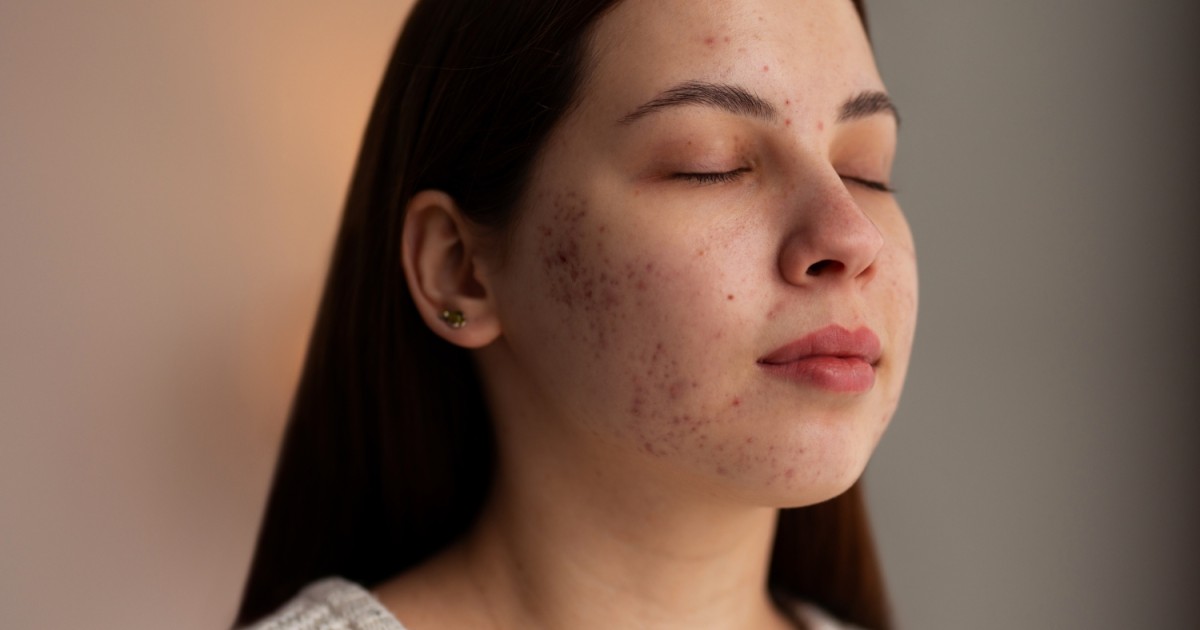
Understand what blotchy skin is along with its causes, symptoms, treatment and prevention.
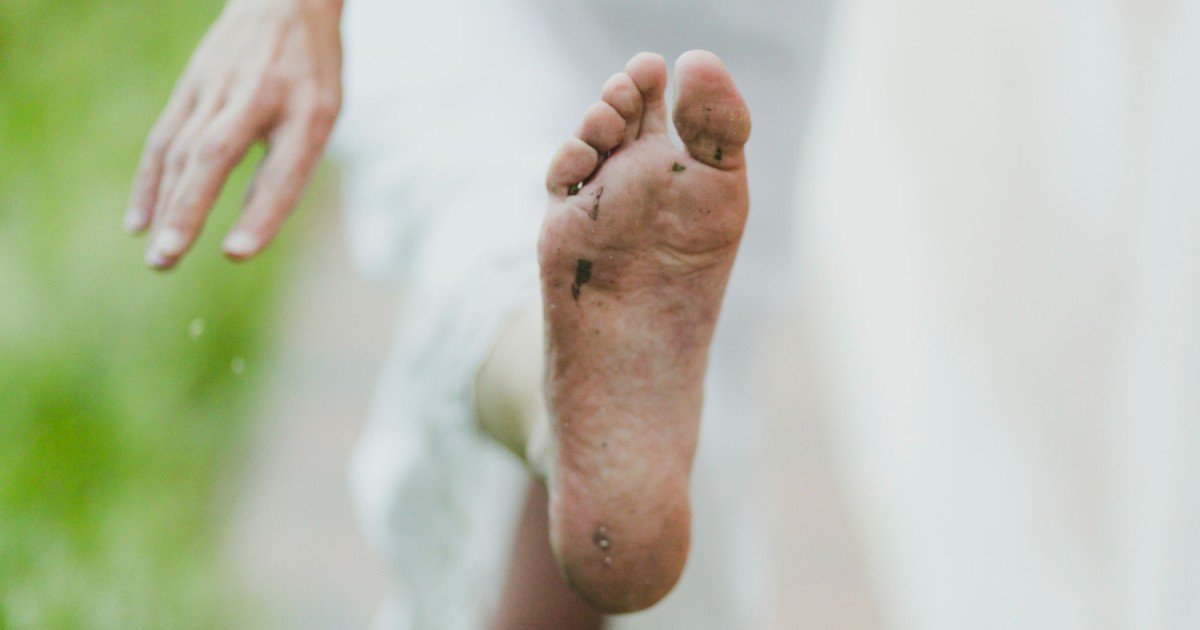
Are you searching for what kills athlete's foot instantly? Learn the fastest treatments, what actually wo...
Most people are afraid to come in close contact with Eczema patients thinking that they will acquire the ...
Cold sores can e uncomfortable and painful. Moreover who wants to wait for weeks to make it heal of it's ...
4 months ago
No, not necessarily. Many skin cancers don't cause pain or soreness to touch, especially in their early stages. It's more about the appearance and changes in a mole or lesion. Don't wait for it to hurt, just show it to a dermatologist if you're concerned.
4 months ago
Don't trust everything you read online, especially about symptoms. While some skin cancers *can* be sore, many are not. This is exactly why you need a doctor, not internet forums, to verify symptoms. If you have a suspicious spot, get a proper diagnosis instead of trying to self-diagnose based on pain.
4 months ago
Oh, another health puzzle! Sometimes it's sore, sometimes it's not, just to keep us on our toes, I suppose. My doctor said that relying on 'soreness' for a diagnosis is like waiting for a traffic jam to know it's rush hour - too late! Just get it checked, yaar.
Get the Zerunio health brief
Evidence-based health, reviewed by clinicians. Free, weekly.
Enter your phone number – we’ll text you a one-time code.