How to know if your gonna have a heart attack?
My dad has a history of heart issues, and I often worry about myself. What are the strong warning signs that indicate someone is about to have a heart attack? I want to know what to watch out for.
I can't tell you how to predict a heart attack, as I'm not a doctor. But I can share that my uncle had one, and he mentioned feeling a weird, heavy pressure in his chest for a few days before, along with unusual fatigue. Everyone's body is different, though. If you're feeling worried about your heart, please get it checked out by a cardiologist.
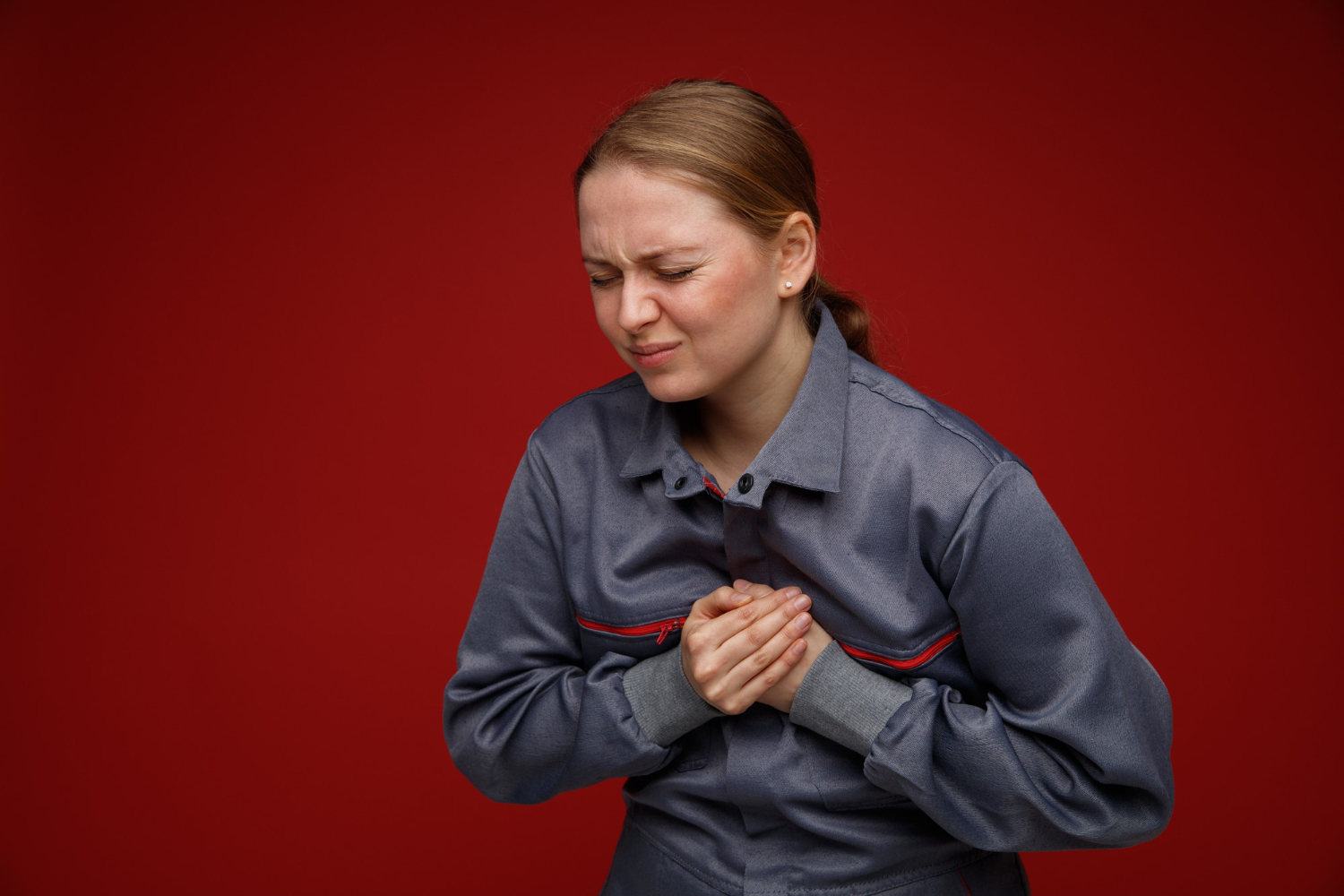
While there's no definite way to *know* you're *going* to have one, there are warning signs. Things like recurring chest discomfort (angina), shortness of breath with mild exertion, pain spreading to your arm or jaw, or unexplained severe fatigue. If you experience these, especially if they are new or worsening, it's a serious red flag. See a doctor immediately for evaluation. Don't wait for it to get worse.
Chest discomfort, shortness of breath, and pain in the arm or jaw are common warning signs. Always best to see a doctor if you have these.
My cardiologist explained that while you can't predict *exactly* when, certain warning signs indicate increased risk or an impending event. These include angina (chest pain or discomfort, often triggered by exertion and relieved by rest), shortness of breath, discomfort in other areas of the upper body (like arms, back, neck, jaw, or stomach), or cold sweats. Women sometimes experience atypical symptoms like unusual fatigue or nausea. He emphasized that any persistent or new symptoms should prompt an immediate doctor visit, don't self-diagnose.
Shortness of breath and nasal congestion can signal allergies, infections, or sinus issues. Learn common ...
Sinus arrhythmia means natural variation in heart rate that occurs even though the heart rhythm is still ...
Heart palpitations are common and often harmless, but sometimes they may signal a problem. A fast or irre...
During sleep, especially deep sleep, your body slows down in a good way. Your heart rate drops, blood pre...
You can't precisely predict a heart attack based on internet searches. What you can do is be aware of persistent warning signs like recurrent chest pain (angina), unusual fatigue, shortness of breath, or discomfort spreading to other parts of your upper body. If you have any of these, especially if they're new or worsening, you NEED to see a doctor for proper diagnosis and tests like an ECG or stress test. Don't mess with heart health.
Get the Zerunio health brief
Evidence-based health, reviewed by clinicians. Free, weekly.
Enter your phone number – we’ll text you a one-time code.