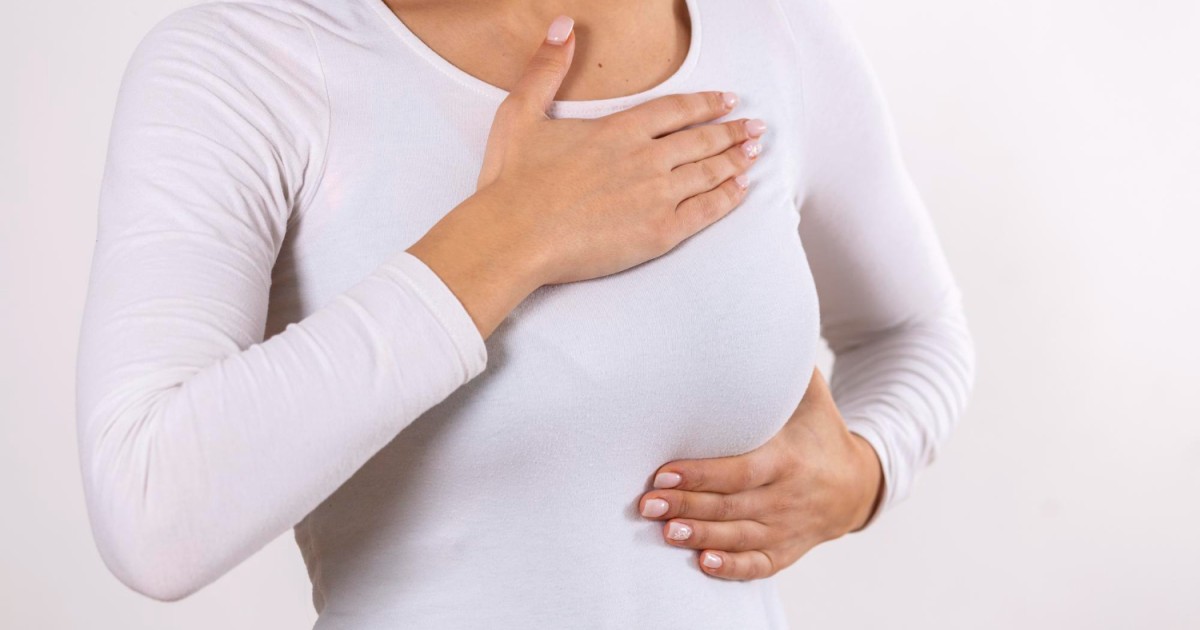
How to check for breast cancer?
There's so much awareness about breast cancer these days, which is good. I want to know, generally, how do people check for breast cancer, what are the recommended steps?
There's so much awareness about breast cancer these days, which is good. I want to know, generally, how do people check for breast cancer, what are the recommended steps?
 7 months ago
I remember panicking when I felt a small lump once, but it turned out to be nothing serious. So, it's normal to worry, but don't let it paralyze you. For checking, regular self-breast exams are important. Look and feel for any changes – lumps, skin dimpling, nipple discharge, or redness. If you find anything, no matter how small, get it checked by a doctor. Don't wait.
4 months ago
It's completely normal to feel anxious about something like breast cancer, and it shows you care about your health. The best way to check is by doing monthly self-breast exams. You should look for any changes in size, shape, or skin texture, and gently feel for any lumps or thickenings. If you notice anything unusual, please go to a doctor for a proper check-up. Taking care of yourself is important.

 7 months ago
My doctor advised a three-pronged approach for breast cancer detection. First, monthly self-breast exams, where you look and feel for lumps, skin changes (like dimpling or redness), nipple discharge, or inverted nipples. Second, regular clinical breast exams by a doctor. Third, age-appropriate mammograms and ultrasounds, especially if you're over 40 or have a family history. Self-exams are a good start, but professional check-ups are non-negotiable.
7 months ago
It's good that you're asking about this, it shows you're being proactive about your health. The main thing is to be familiar with how your breasts normally look and feel. Do a self-exam regularly, once a month, to check for any new lumps, changes in skin, or nipple discharge. If you find anything that feels different or worries you, don't panic, but definitely get it checked by a doctor. They'll guide you best.
Learn how a breast lift without implants works, who may benefit, what happens during surgery, expected re...
Many people look for ways to improve the appearance of their breasts without undergoing surgery. Surgical...
4 months ago
For breast cancer, being cautious is key. While self-exams can help you notice changes, they are not enough for diagnosis. You should check for any new lumps, changes in breast size or shape, skin dimpling, redness, or nipple discharge. If you find anything suspicious, always, always get it checked by a doctor without delay. It's about safety first.
Get the Zerunio health brief
Evidence-based health, reviewed by clinicians. Free, weekly.
Enter your phone number – we’ll text you a one-time code.