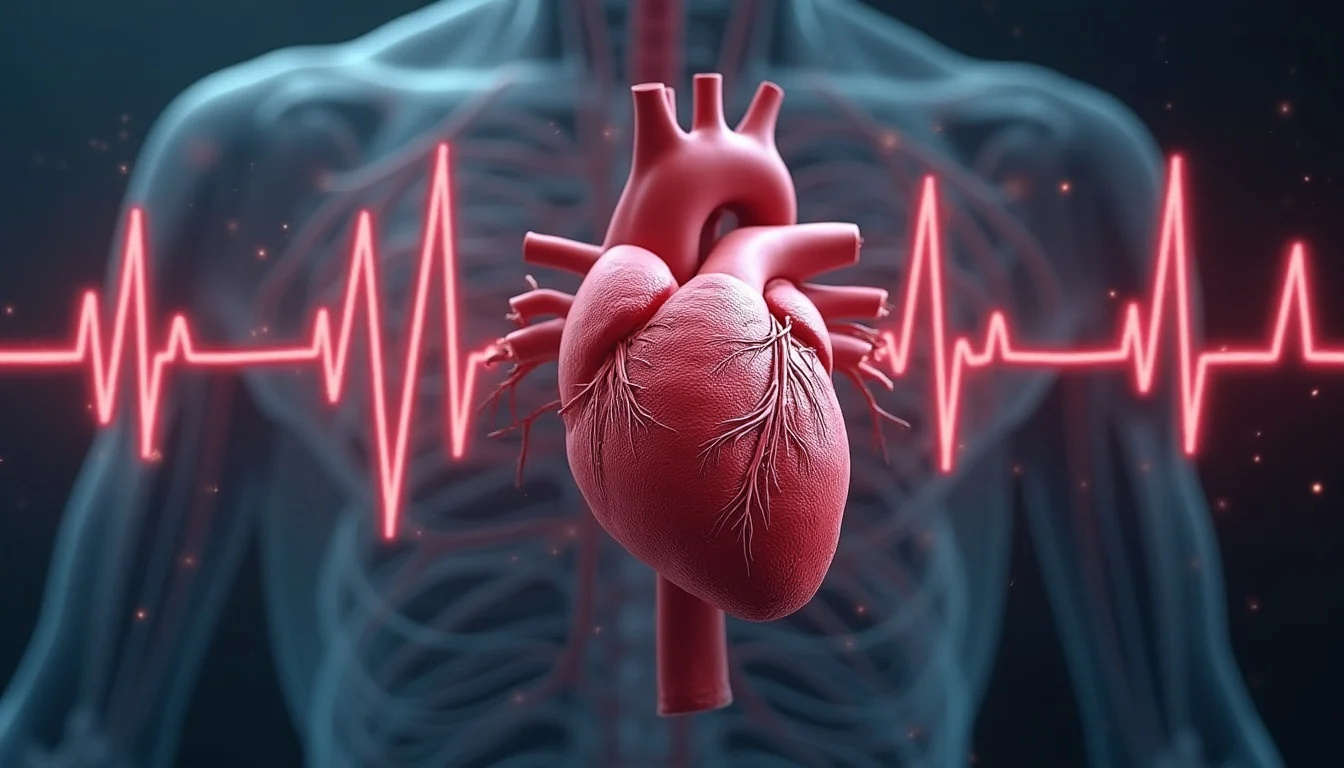
How does heart attack occur?
My father had a heart attack a few years ago, and I'm always a bit worried about my own health now. I want to understand what exactly happens inside the body during a heart attack. What causes it to occur?
Look, it is simple. Over time, bad food and stress block the blood pipes going to your heart. When the blockage becomes complete, blood stops flowing, and that part of the heart muscle starts dying. No need to complicate it, just eat clean and stay active.
Plague builds up in your coronary arteries due to poor lifestyle, which blocks the oxygen-rich blood supply. To keep those arteries healthy, regular cardiovascular exercise is a must. Even a brisk 30-minute walk daily makes a huge difference, provided your doc says you are fit for it.
When we eat too much oily, deep-fried food and refined oils, cholesterol starts depositing in our heart vessels. Eventually, a blood clot forms there and completely blocks the pathway. We must switch to a low-fat, fiber-rich vegetarian diet to keep the heart clean.
I totally get it, learning about how heart issues develop can be quite scary. It is basically the heart muscle crying for oxygen when its blood supply is cut off by a blockage. Please don't stress too much about it, just focus on small healthy changes every day.
A heart attack happens when a plaque in your coronary artery ruptures, triggering a blood clot that blocks blood flow. My cardiologist explained that it is not a sudden one-day event, but a gradual process of atherosclerosis. He always emphasizes getting regular lipid profile tests done.
Haan, basically jo blood vessels heart ko oxygen deti hain, unme blockages aa jaate hain. Jab clot ban jata hai toh blood flow bilkul ruk jata hai, tabhi attack hota hai na. Isliye kehte hain cholesterol aur BP control me rakhna chahiye.
Shortness of breath and nasal congestion can signal allergies, infections, or sinus issues. Learn common ...
Sinus arrhythmia means natural variation in heart rate that occurs even though the heart rhythm is still ...
Heart palpitations are common and often harmless, but sometimes they may signal a problem. A fast or irre...
During sleep, especially deep sleep, your body slows down in a good way. Your heart rate drops, blood pre...
Honestly, reading about blockages and clots at 2 AM is not helping my insomnia at all. But yeah, it is basically your heart's plumbing system getting choked up because of all the processed food and stress we feed it. Time to sleep and stop worrying my heart out.
As someone managing diabetes, I know that high blood sugar silently damages our blood vessels over the years, making it easier for clots to form and cause a heart attack. Controlling your HbA1c is just as important as managing your cholesterol to prevent this.
Get the Zerunio health brief
Evidence-based health, reviewed by clinicians. Free, weekly.
Enter your phone number – we’ll text you a one-time code.