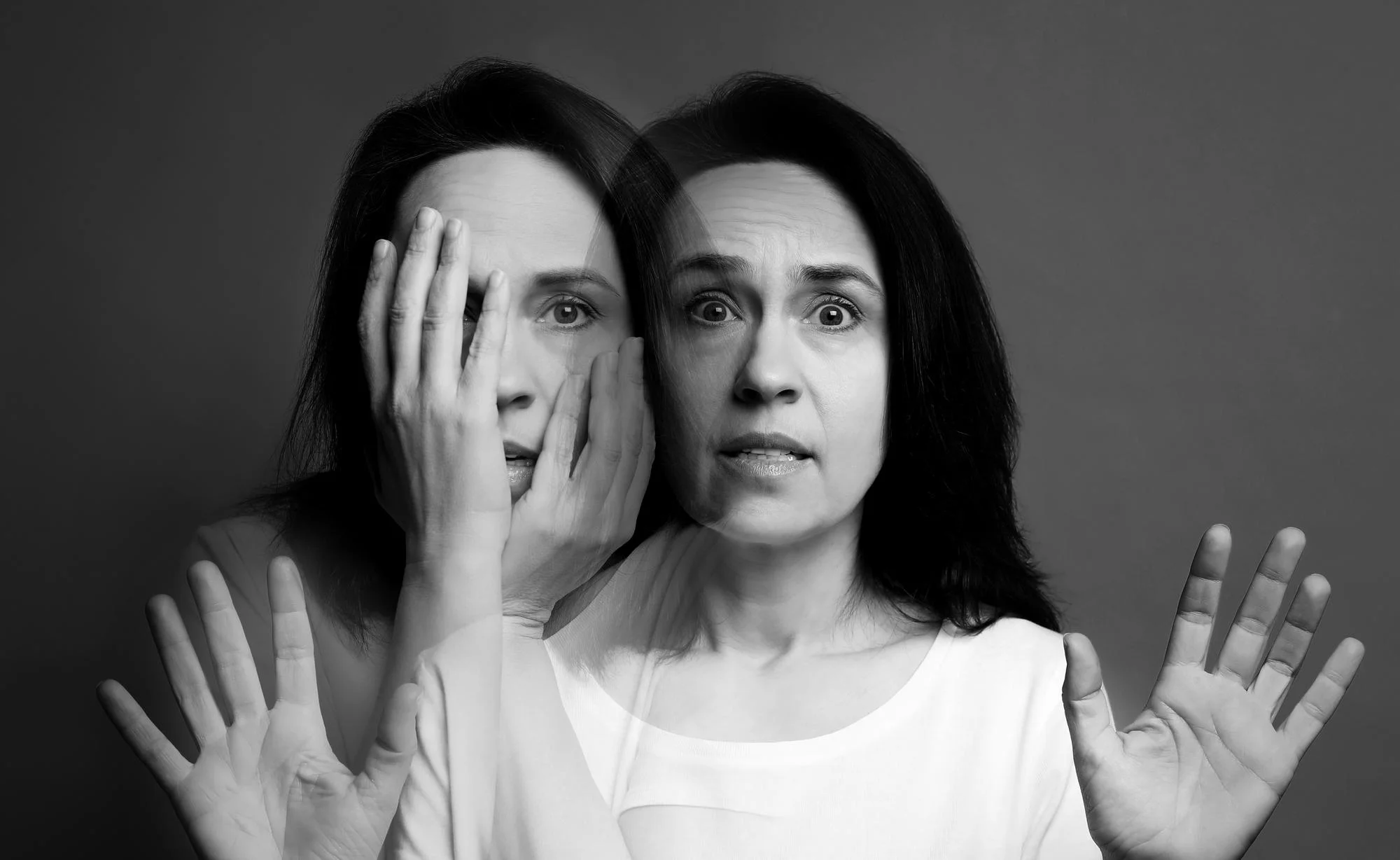
De escalation training mental health?
Recently started volunteering at a mental health support centre, I want to be better prepared for difficult situations. Are there any specific de-escalation training programs available for mental health?
I agree with the need for structured training; certified online courses on crisis intervention are very helpful.
Look, de-escalation training isn't just for therapists, it is a crucial skill for corporate workplaces too nowadays. You should look for workshops that teach active listening and verbal de-escalation. It's about staying calm and not matching their high energy.
Does anyone else get incredibly nervous when someone around you starts having an anxiety attack? I really feel like I need this training because I completely freeze up and don't know how to help without making it worse.
My doctor mentioned that formal de-escalation programs usually teach the 'verbal first' rule. They teach you to use a low, slow tone of voice and avoid defensive body language. It helps the other person's nervous system naturally mirror your calmness.
I honestly think we all need a little training in this, especially during family dinners where arguments erupt over food or politics! Learning to just pause, offer them a glass of water, and change the topic is a great basic life hack.
A big part of physical and mental regulation is using movement. In de-escalation, even encouraging the stressed person to stand up or take a short, slow walk with you can physically shift their brain state. If their physical health allows, gentle walking works wonders.
You can find some highly rated, self-paced mental health first aid modules on professional learning platforms. They teach useful structured frameworks to handle panic, extreme anger, or distress. It's a great skill to add to your personal development goals.
Struggling with ADHD? Vyvanse and Adderall are two common treatments that can improve focus and control s...
Bipolar Disorder is primarily a mood regulation disorder. The key feature is episodic changes in mood and...
Chia Seeds vs Flax Seeds: compare nutrition, fiber, omega-3s, digestion, weight management, heart health,...
Discover what may cause a lump on the roof of the mouth, how to manage minor irritation, and which warnin...
I deal with bad mood swings due to PCOS, and I've realized how sensitive our minds can be. De-escalation training is great, but we must remember we aren't experts. It's best to use gentle supportive language and gently guide them to professional help.
I completely understand how terrifying it can feel to deal with intense emotional crises, whether it's your own or someone else's. Your feelings of helplessness are totally valid. Training in this teaches you how to validate their pain first before trying to find any solution.
Don't rely on random TikTok or Instagram videos for mental health training. If you are serious about learning crisis de-escalation, verify the credentials of the institution and make sure the training is designed by certified clinical psychologists.
Get the Zerunio health brief
Evidence-based health, reviewed by clinicians. Free, weekly.
Enter your phone number – we’ll text you a one-time code.