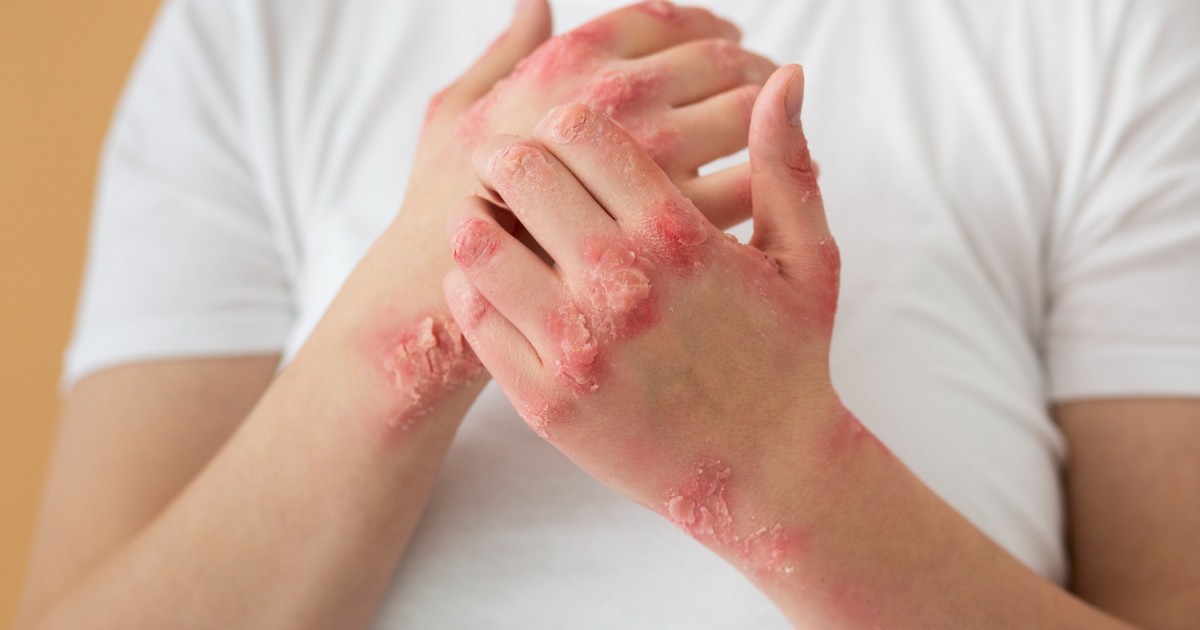
Can cold weather cause eczema?
My skin gets really dry and itchy in winters, and sometimes I even develop red patches that look like eczema. I've never had eczema before. Can cold weather actually cause eczema, or is it just making my skin worse?
My skin gets really dry and itchy in winters, and sometimes I even develop red patches that look like eczema. I've never had eczema before. Can cold weather actually cause eczema, or is it just making my skin worse?
 4 months ago
Cold weather dries out the skin's natural moisture barrier, which can lead to eczema flare-ups. Practicing gentle daily self-care and applying pure coconut oil can soothe the skin, but always seek a doctor's advice if the skin becomes broken or infected.
4 months ago
Cold weather itself doesn't cause eczema out of nowhere, but the lack of humidity and indoor heating definitely triggers severe flare-ups. You need to use a thick, fragrance-free moisturizer immediately after showering. If the itching is uncontrollable, consult a dermatologist instead of trying random creams.
4 months ago
Yes, winter dry air triggers eczema, which can lead to expensive skin treatments if it gets worse. Instead of spending heavily on fancy brands later, buy a basic, affordable medical moisturizer like white soft paraffin from the chemist now. If it still doesn't heal, plan a budget for a dermatologist visit.
4 months ago
I once ignored dry, red patches during winter thinking it was just normal dry skin, and it ended up spreading and bleeding because of severe eczema. Please don't ignore early skin irritation. Get it checked by a proper doctor before it gets painful and difficult to manage.
4 months ago
The low humidity in winter strips the skin of essential lipids, which can easily trigger eczema or make existing symptoms worse. While thick emollients can help manage the dryness, a proper diagnosis and treatment plan from a dermatologist is always the best approach.

 4 months ago
I've dealt with winter eczema for five years now, and the biggest mistake is taking long, hot showers which strips all skin oils. Switch to lukewarm water, pat dry, and apply a thick ceramide-based cream within three minutes. If the flare-up is severe, go get a steroid cream prescribed by a dermatologist.
4 months ago
My skin has started itching and developed rough red spots since the cold weather began, and I've never had this before. Could this actually be eczema triggered by the winter? What kind of cream should I start applying first to make it go away?
4 months ago
Haan na, winter mein skin bohot dry aur itchy ho jaati hai, especially eczema skin. Mere haathon pe bhi red patches aa jaate hain cold weather mein. Aap soap badal lo aur thoda mild moisturizer use karo, relief milega.
4 months ago
With my busy schedule, dealing with itchy eczema patches in winter is so distracting. Since dry air is a direct trigger, keeping a small moisturizer on my desk and applying it frequently helps manage it quickly. If you don't see improvement in a week, book an online consultation with a dermatologist.
Learn the key differences between psoriasis vs eczema, including symptoms, causes, triggers, body locati...
Most people are afraid to come in close contact with Eczema patients thinking that they will acquire the ...
Cold sores can e uncomfortable and painful. Moreover who wants to wait for weeks to make it heal of it's ...
If you’re struggling with dry, itchy, or inflamed skin from conditions like eczema or psoriasis, you migh...
4 months ago
I completely panicked when my skin started getting red, dry and extremely itchy last winter, thinking it was some dangerous infection. Thankfully, my doctor reassured me it was just winter eczema triggered by the dry weather. Regular moisturizing kept it under control, so don't worry too much!
4 months ago
Over the years, I've noticed that as the weather turns cold, my skin always acts up and becomes extremely dry and patchy. It's just how the body reacts to the season, so don't let it stress you out. Just keep the skin well-nourished and see a doctor if it starts cracking.
4 months ago
Winter dryness is a major culprit for skin allergies like eczema. Simple practical steps like avoiding very hot water baths and applying virgin coconut oil right after washing can prevent the skin from cracking. If the redness increases, please visit a skin doctor.
Get the Zerunio health brief
Evidence-based health, reviewed by clinicians. Free, weekly.
Enter your phone number – we’ll text you a one-time code.