


The scientific name for Ashwagandha is Withania somnifera (L.) Dunal, which is commonly known as winter cherry or Indian Ginseng. For many years, Aswagadha has been used in traditional treatments to help people with a wide range of health issues. But there are still some people who don't know about its perks. Let's find out what ashwagandha can do for you.
What is ashwagandha?
Ashwagandha is a medicinal herb commonly used in Ayurvedic medicine, a traditional Indian system of healing. The root and leaves of the plant are typically used to make powders, capsules, teas, and extracts.
It has been traditionally used to help with:
- Stress and anxiety
- Fatigue
- Sleep problems
- Immune support
- Physical strength and endurance
Still researches are going on to find more health benefits of ashwagandha.
The name Ashwagandha comes from Sanskrit which means smell of a horse, referring to both the herb’s smell and its traditional belief to provide strength and vitality like a horse.
9 Surprising Benefits of Ashwagandha
1. Helps Reduce Stress and Anxiety
One of the most well-known benefits of ashwagandha is its ability to help reduce stress and anxiety levels.
Research shows that ashwagandha may lower cortisol, the body’s primary stress hormone. High cortisol levels are often linked to chronic stress, fatigue, and sleep problems.
Several studies suggest that taking ashwagandha supplements may help improve mental well-being and reduce symptoms of anxiety.
2. May Improve Sleep Quality
Ashwagandha has traditionally been used as a natural remedy for insomnia and sleep disturbances.
Certain compounds in the herb may promote relaxation and help the body fall asleep more easily. Some studies suggest that ashwagandha may help people experience better sleep quality and longer sleep duration.
3. Supports Brain Function and Memory
Ashwagandha may also support cognitive function, including memory and focus.
Some research suggests that the herb may help protect nerve cells from damage and support brain health. This could potentially improve attention, information processing, and memory.
4. Boosts Physical Strength and Performance
Ashwagandha is sometimes used by athletes and fitness enthusiasts because it may improve strength and exercise performance.
Research indicates that ashwagandha may help increase muscle strength, endurance, and recovery, making it a popular supplement for people involved in physical training.
5. May Help Reduce Inflammation
Chronic inflammation has been linked to many health conditions, including heart disease and autoimmune disorders.
Ashwagandha contains compounds that have anti-inflammatory properties, which may help reduce inflammation in the body and support overall health.
6. Supports Heart Health
Ashwagandha helps in supporting heart health by regulating:

7. May Help Regulate Blood Sugar
Research suggests that ashwagandha may help lower blood sugar levels in some people.
The herb may improve insulin sensitivity and help regulate glucose metabolism, which may be beneficial for people managing blood sugar fluctuations.
8. Supports Immune System Function
Ashwagandha contains antioxidant compounds that may help strengthen the immune system.
These antioxidants help protect cells from damage caused by oxidative stress, which can weaken the immune response over time.
9. May Improve Energy and Reduce Fatigue
Ashwagandha has traditionally been used as a natural energy booster.
By helping regulate stress hormones and supporting adrenal health, the herb may help reduce feelings of chronic fatigue and low energy.
Many people report feeling more balanced and energized after regular use.
Nutritional and Active Compounds in Ashwagandha
| Compound | Potential Benefit |
|---|---|
| Withanolides | Anti-inflammatory and stress reduction |
| Alkaloids | May support brain function |
| Saponins | May support immune health |
| Antioxidants | Protects cells from damage |
Possible Side Effects and Precautions
Even though ashwagandha is safe to take, it can be different for some people and they might face few side effects.
Possible side effects may include:
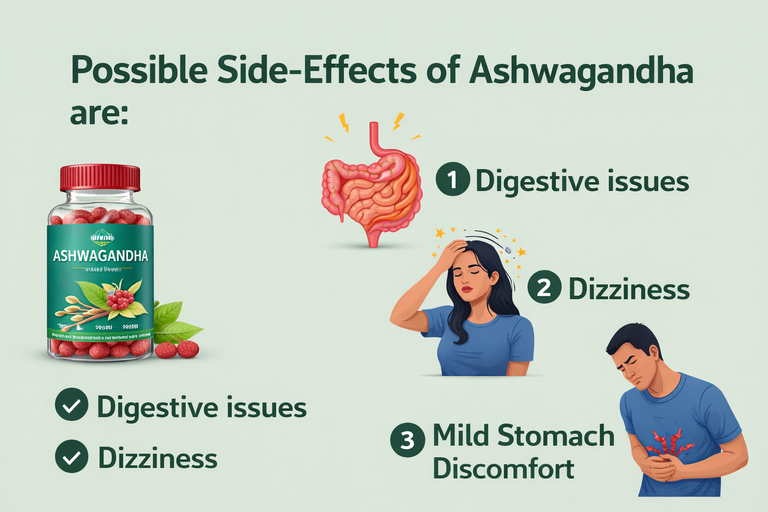
Some people should completely avoid or ask their doctor before taking ashwagandha, including:
- Pregnant or breastfeeding individuals
- People with autoimmune conditions
- Those taking thyroid medications or sedatives
Final Thoughts
Ashwagandha is an ayurvedic herb which has been used for many years for its health benefits. Still research is going on to study its benefits more. While the herb is safe to have, it's also important to take care of some factors and ask your doctor before taking any supplements.
Frequently Asked Questions (FAQs)
Is it safe to take ashwagandha daily?
Ashwagandha is safe when taken in recommended doses, but it is best to consult a healthcare professional before regular use.
How long does ashwagandha take to work?
Some people may notice effects within a few weeks, while others may require longer periods of consistent use.
Can ashwagandha help with anxiety?
Research suggests that ashwagandha may help reduce stress and anxiety by lowering cortisol levels.
Does ashwagandha improve sleep?
Ashwagandha may help improve sleep quality by promoting relaxation and reducing stress.
References
- National Institutes of Health (NIH) (Ashwagandha: Is it helpful for sleep and anxiety?)
- National Center for Complementary and Integrative Health (NCCIH)
- Healthline (8 Proven Health Benefits of Ashwagandha)
- Medical News Today (What Are the Benefits of Ashwagandha?)


Member discussion