Terbutaline in Labor: A Complete Guide for Expecting Mothers

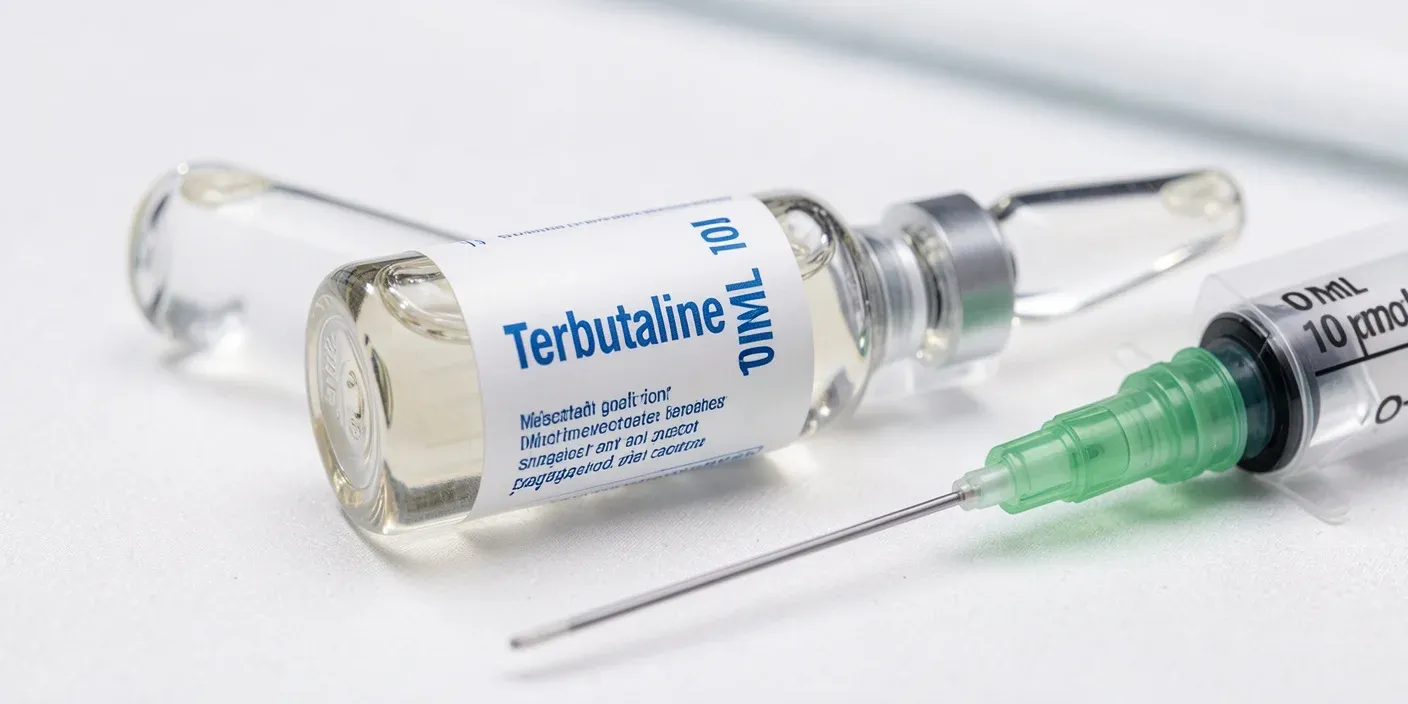
Picture this: Your doctor mentions terbutaline while you're having contractions. Despite being one of the most widely utilized medications when labor needs to be stopped or slowed down in an emergency, the majority of women are unaware of it. Terbutaline can be the medication that stands between danger and safety during those crucial minutes, whether your baby is in crisis, the umbilical cord has prolapsed, or the contractions are coming too quickly and forcefully.
The majority of pregnancy manuals, however, will not tell you that terbutaline was never intended for use during childbirth. It's a bronchodilator, a medication designed to help asthmatics breathe easier, but researchers found it might also relax uterine muscles. This off-label history is important since it clarifies both its advantages and disadvantages.
What Is Terbutaline?
Terbutaline is a medication classified as a beta-2 adrenergic agonist. It relaxes smooth muscle in the body. It was originally made to treat asthma because it relaxes the muscles in the airways, making breathing easier. In obstetrics, terbutaline is used “off-label” to relax the uterus.
Why Is Terbutaline Used in Labor?
Terbutaline may be used in labor for short-term situations where relaxing the uterus is helpful. Common reasons include:
1. To Slow or Stop Uterine Contractions (Tocolysis)
If contractions are too frequent or too strong, terbutaline may be given to reduce them temporarily. This is sometimes called acute tocolysis.
It may be used when:
- There are signs of uterine tachysystole (more than 5 contractions in 10 minutes averaged over 30 minutes)
- The baby shows signs of distress related to excessive contractions
- A brief pause in contractions is needed for medical assessment
Uterine tachysystole can decrease oxygen delivery to the baby. Terbutaline can help by relaxing the uterus and improving blood flow to the placenta.
2. During Certain Obstetric Procedures
It may be used to temporarily relax the uterus during procedures such as:
- External cephalic version (a procedure to turn a breech baby into head-down position)
- Management of specific emergency situations during delivery
Is Terbutaline Used for Preterm Labor?
In the past, terbutaline was used more commonly to suppress preterm labor. However, the U.S. Food and Drug Administration issued warnings against prolonged use (beyond 48-72 hours) for preventing preterm birth due to potential serious maternal heart-related side effects.
Today:
- It may be used short-term in a hospital setting
- It is not recommended for long-term outpatient treatment of preterm labor
How Is Terbutaline Given?
In labor, terbutaline is most often given as:
- A subcutaneous injection (under the skin), typically 0.25 mg
- Sometimes intravenously in monitored settings
The effects usually begin within minutes and can last for 15-60 minutes.
Possible Side Effects for the Mother
Because terbutaline stimulates beta receptors, it can affect the cardiovascular system. Common side effects include:
- Increased heart rate (tachycardia)
- Palpitations
- Tremors or shakiness
- Nervousness
- Headache
- Mild drop in blood pressure
Less common but more serious risks (especially with prolonged use) may include:

For this reason, it is typically used with monitoring of maternal vital signs.


Consult a internal medicine specialist
Effects on the Baby
Terbutaline crosses the placenta. Possible fetal or newborn effects may include:
- Temporary increase in fetal heart rate
- Rarely, newborn low blood sugar (hypoglycemia), especially with repeated dosing
When used as a single, short-term dose in a hospital setting, it is generally considered safe under medical supervision.
When Should Terbutaline Not Be Used?
Terbutaline may not be appropriate for women with:

Your healthcare provider will weigh the benefits and risks based on your medical history.
Is Terbutaline Safe?
When used appropriately and short-term in a hospital setting, terbutaline is considered a useful and generally safe medication for specific obstetric situations.
Key safety points:
- It is typically used for short durations
- Continuous monitoring is recommended
- Long-term outpatient use for preterm labor is not recommended
Final Thoughts
Terbutaline is not a routine part of every labor, but in certain situations, it can be an important and effective medication. Its main role is to temporarily relax the uterus when contractions need to be slowed for medical reasons. As with all medications used during childbirth, the decision to use terbutaline is based on balancing potential benefits and risks. Open communication with your healthcare team is the best way to ensure safe and personalized care for you and your baby.
References
- U.S. Food and Drug Administration. FDA Response to Citizen Petition on Terbutaline (warnings against use for preterm labor). – U.S. Food and Drug Administration · source
- MedlinePlus (U.S. National Library of Medicine). Terbutaline. – MedlinePlus / NIH · source
- Hill K, et al. Tocolysis. StatPearls. NCBI Bookshelf. – StatPearls / NCBI Bookshelf · source
Frequently asked questions
What is terbutaline used for in labor?
Terbutaline is a beta-agonist that relaxes the uterus. In labor it may be used short-term (up to 48–72 hours) in a hospital to briefly slow preterm contractions — mainly to buy time for steroids to mature the baby's lungs or to transfer the mother to a specialized center.
Is terbutaline safe during pregnancy?
The FDA warns that injectable terbutaline should NOT be used for prolonged (beyond 48–72 hours) treatment or prevention of preterm labor, and oral terbutaline should not be used for preterm labor at all, because of serious maternal heart problems and rare deaths. Only short-term, in-hospital use under close monitoring is considered acceptable.
What are terbutaline's side effects for the mother?
Common effects include a fast heartbeat, tremor, anxiety, and headache. More serious risks with prolonged use include heart-rhythm problems, high blood sugar, low potassium, fluid in the lungs (pulmonary edema), and reduced blood flow to the heart.
How does terbutaline affect the baby?
It can cross the placenta and may cause a faster heart rate or low blood sugar in the newborn. Importantly, there is no evidence that terbutaline for preterm labor improves infant outcomes, which is why its use is limited.
How long can terbutaline be used in preterm labor?
Only short-term — 48 to 72 hours at most, in a hospital setting. It is not approved for long-term or at-home (outpatient) use to prevent preterm labor.
What are the alternatives to terbutaline for preterm labor?
Doctors may use other tocolytics such as nifedipine (a calcium channel blocker), indomethacin, or magnesium sulfate (also used for fetal neuroprotection), alongside corticosteroids. The choice depends on gestational age and the mother's health and is always decided by the care team.