Learn when pregnancy starts to show, what affects baby bump size, and why every pregnancy is different.
When can you expect your pregnancy to start showing?
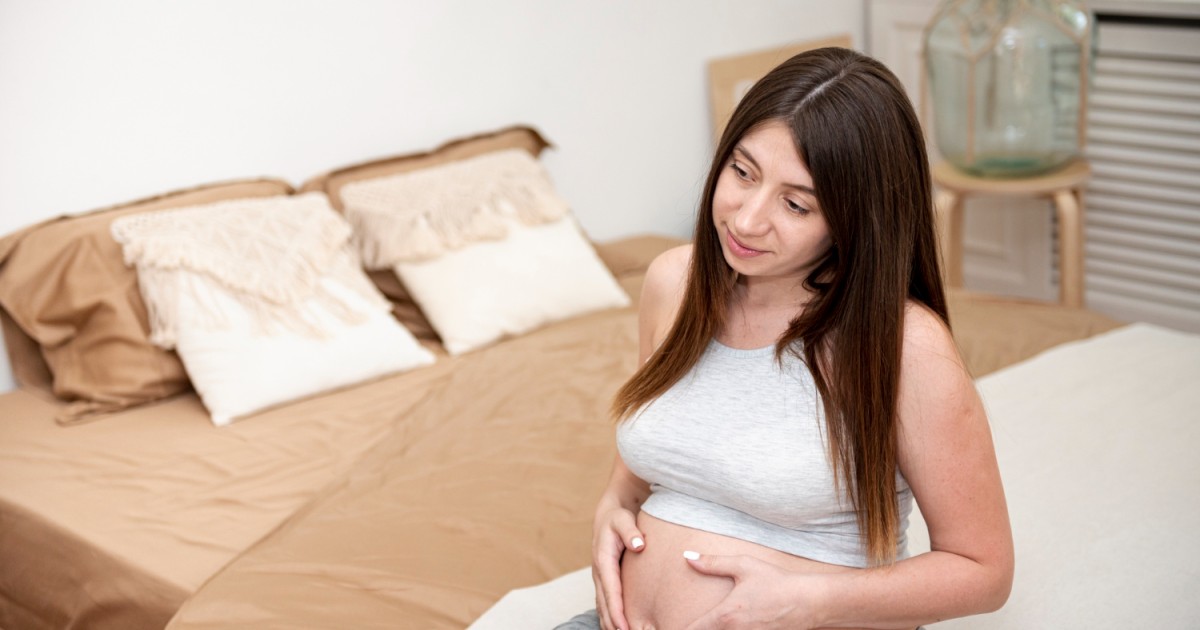
There is no specific time frame; some may show in the early months, while others may show in the second trimester.
There are many people who notice the baby bump in their pregnancy at some point in the second trimester, but the timing varies for everyone.
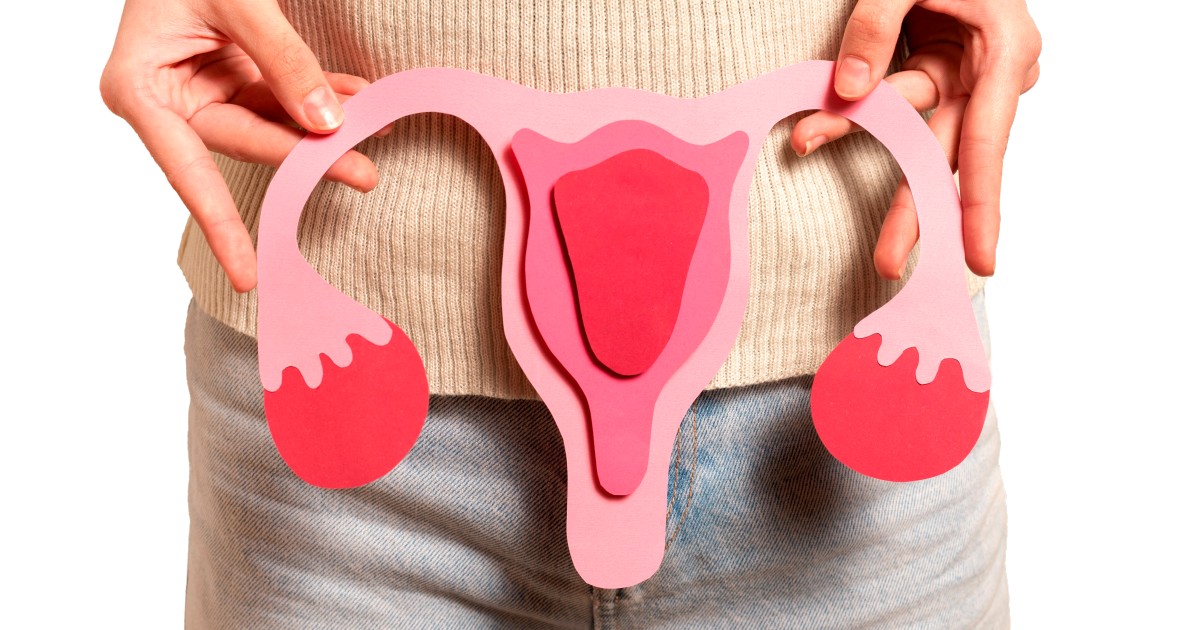
In the earlier stages of pregnancy, the uterus is still relatively small and confined to the pelvis, and as it grows and moves upward into the abdomen, the pregnancy becomes noticeable.
In the beginning, people may just feel bloated since there is no sign of any baby bump at all.
But eventually, during the second trimester, it generally becomes more apparent.
Why Does Pregnancy Start to Become Noticeable at Different Times?
Two individuals may be equally pregnant yet appear to have entirely different baby bumps; this is due to a variety of factors.
1. First vs. Subsequent Pregnancies
In case you are expecting your first child, you may notice an abdominal bulge later than someone who is already experienced. In the first pregnancy, the abdominal muscles and tissues may be more supportive of the growing uterus.
However, in subsequent pregnancies, the abdominal wall might have already been stretched out due to a previous pregnancy, so some people notice the bump earlier. But this guideline is not a strict rule, as some first-time expectant parents might show early, while some mothers in consecutive pregnancies might show later.
2. Physique
It is your body shape that may influence the way your pregnancy looks. For example, a person is taller and has a longer body. Their longer torso may have space for the uterus to grow upwards before one starts noticing the bump.
Someone with a shorter body structure may notice the changes in the abdomen sooner as they lack the vertical space for a bulge to form later on. Body shape does not affect the health of the expectant mother; it simply makes a difference in the external appearance of the pregnancy.
3. Abdominal Muscle Strength
The absorption of abdominal muscles can likewise contribute to the shape of the pregnancy bump. Those individuals who possess either robust or taut stomach muscles may have a flatter bump.
It should be noted that having a flat bump does not necessarily imply that the baby is small or that the pregnancy is on some kind of irregular course.
The medical practitioner monitoring the pregnancy has access to various parameters, including information from the belly.
4. Placenta and Baby's Location
The belly shape changes depending on how the uterus and the baby are situated.
While the uterus grows during pregnancy, bump changes may also be due to the baby's position.
5. History of Pregnancy
Previous pregnancy experiences can cause changes in the abdominal muscles and tissues. As a result, some individuals may feel the changes caused by earlier pregnancies before the onset of the new one.
However, all pregnancies have their own uniqueness.
Consequently, one should refrain from comparing their current pregnancy to someone else’s or to their previous experience of becoming a parent.
Is a Small Pregnancy Bump OK?
Indeed. A small bump is not always an indication of a potential problem.
There is a wide range of regular factors that affect bump size:
Your height
Body shape
Tone of the abdominal muscles
Current stage of pregnancy
Baby’s position
Position of the uterus
Medical professionals monitor the growth of the fetus based not on the size of the belly, but on standardized prenatal examinations.
If you start thinking that your bump is smaller than it is supposed to be, consult your doctor during your next prenatal appointment.
Is It Typical to Start Showing Early?
Starting to show early may be perfectly normal.
Sometimes early in pregnancy, what is thought to be a bump may actually be due to bloating.
At this stage in the pregnancy, hormonal changes may lead to the development of constipation and bloating.
These changes can give the abdomen a larger appearance even when the uterus has not grown enough to create a recognizable bump.
Typically, the uterus will stay hidden in the pelvis until the twelfth week of pregnancy.
When Does Pregnancy First Start to Show?
When first-time parents get pregnant, they often think about when they will start to show a pregnancy bump.
There’s no uniform schedule.
Some people may observe a small shift in their baby bump during the early second trimester, but some others might not appear visibly pregnant until much later.
With your first pregnancy, it may take some time before your bump shows, as your abdominal muscles and tissues have never been stretched by pregnancy before.
Don't worry if someone else at the same stage looks more pregnant than you.
Pregnancy is not a race, and your bump size is not the best measure of how well your pregnancy is going.
When Do You Begin to Notice Pregnancy With a Second Child?
The second pregnancy might be noticeable much earlier for some people.
This is due to the fact that abdominal muscles and surrounding tissues had already experienced pregnancy.
However, timing can still differ considerably.
Factors such as your current body shape, muscle tone, pregnancy spacing, and position of the uterus and baby can influence how early you start showing.
So, though some people do show earlier when carrying a second child, there’s no week guaranteed when it will happen.
Pregnancy Bump Timeline: What to Expect
Here's a simple overview of how your abdomen may change.
Pregnancy Stage |
What You May Notice |
Weeks 1–8 |
Usually, there is little or no visible bump, but bloating may occur. |
Weeks 9–12 |
The uterus begins growing but remains largely within the pelvis. |
Weeks 13–16 |
Some people begin noticing a small abdominal change. |
Weeks 17–20 |
Bumps may become more noticeable. |
Weeks 21–24 |
The abdomen usually continues expanding. |
Weeks 25–28 |
Pregnancy becomes increasingly visible. |
Weeks 29–32 |
The belly continues growing as the fetus gains weight. |
Weeks 33–40 |
Bump becomes much more prominent. |
This timeline is only a general guide. Your pregnancy may look different, and that's okay.
The American College of Obstetricians and Gynecologists (ACOG) notes that the abdomen begins expanding during the second trimester, while the uterus continues growing throughout pregnancy.
What Changes Occur in the Body Before You Show?
Your body undergoes several changes even before you develop any visible signs of pregnancy.
Among the common changes during the first trimester, you may notice the following symptoms:
Tenderness in your breasts
Feeling fatigued
Nausea
Urinating frequently
Bloating
Constipation
Heartburn
Changes in food cravings
The American College of Obstetricians and Gynecologists confirmed that many of these symptoms are considered early pregnancy signs.
As a result, you may feel really pregnant before you actually experience the symptoms.
This phenomenon can sometimes cause confusion, particularly if it is your first pregnancy.
How come bloating appears to be a baby bump?
The hormones produced by the body during pregnancy can impact the digestive system and the process of digestion. When the process occurs, gas, constipation, bloating, and a feeling of fullness may develop. These changes can modify the shape and appearance of your belly.
In pregnant women, a true baby bump comes into existence only when the uterus starts to extend and move from the pelvic cavity. The expansion occurs within the first 12 weeks of pregnancy, making the stomach appear different in size at different times of the day. A woman might be able to notice that her belly looks thinner in the morning and more bloated by the evening.
Does Baby Size Affect When You Show?
Not really.
Your pregnancy bump doesn’t predict your baby’s size reliably.
Your bump is impacted by various factors, including:
Size of uterus
Condition of abdominal muscles
Body shape
Position of the baby
Quantity of amniotic fluid
Multiple pregnancy
Past pregnancies
Medical practitioners rely on prenatal exams and tests to check the baby’s growth.
If you are worried regarding the baby’s size, it’s better to consult how much weight you need to gain with your doctor instead of comparing your bump with a picture.


Consult a pediatric cardiac surgeon
When Will You Begin to Show If You're Pregnant With Twins?
Because more than one baby is developing in the uterus, people may notice the signs of pregnancy earlier in a twin pregnancy than in a non-twin pregnancy. However, even in the case of twins, there isn’t a defined week when pregnancy will show.
The size of the bump largely depends on factors like the gestational stage, the pregnant woman’s body type, the number of babies that are growing in the uterus, and individual characteristics. Healthcare providers are better able to monitor multiple pregnancies and determine the chances of bumps appearing.
Can Your Baby Bump Shape Change?
“YES
The tummy can differ due to:
Baby’s position
Your body posture
The daytime
The presence of gas
The clothes you wear
Your muscles
In addition, the fetus keeps moving and changing during the course of pregnancy. Therefore, a pregnant woman may have a different-looking bump during a day.
Does Weight Change Impact the Time You Show?
Yes, weight changes can affect the visibility of the pregnancy bump but are not healthy in themselves.
Some individuals may begin gaining weight sooner, and some may gain it gradually.
Weight gain recommendations during pregnancy depend on individual circumstances such as pre-pregnancy weight and health.
Instead of working on maximizing or minimizing the appearance of your bump, you should concentrate on a well-balanced diet and proper medical supervision during pregnancy.
Your doctor should advise you on how much weight you need to gain during pregnancy.
Does the Position of the Baby Influence the Shape of the Bump?
The answer is yes, especially in the later stages of pregnancy.
As the baby moves in the womb, the shape of your abdomen changes.
You may discover:
One side is slightly higher
Your abdomen feels different
The bump looks either pointed out or rounded
You might perceive some pressure in certain portions of the belly
Such changes may happen as the baby develops and changes positions.
You cannot tell the baby's position or development by the shape of your belly. remaining
When Does the Uterus Start Growing?
The growth of the uterus begins in the early phases of pregnancy.
The uterus expands in size during the trimester while remaining inside the pelvic cavity. From week 12, the uterus begins to ascend into the abdominal cavity. Does a visible bump mean the baby is healthy from the pelvis? As pregnancy progresses, the uterus expands further into the abdomen.
This enlargement of the uterus is one of the significant reasons why the abdomen looks enlarged later on.
As per ACOG, around week 36, the fundus of the uterus reaches the level of the rib cage.
Does a visible bump mean the baby is healthy?
Not necessarily.
The bump on the outside of the body is just one visible change that occurs during pregnancy.
A big bump does not imply that the baby is big, and a rather small bump does not mean that the baby is small.
The healthcare provider will monitor your health and baby’s development by providing necessary prenatal care.
Prenatal care includes physical exams, measurements, blood tests, urine tests, imaging, etc. ACOG recommends starting prenatal care when you realize that you are pregnant.
When Should You Be Worried About Your Bump?
The size of your bump is not usually indicative of a problem by itself.
But you should consult your doctor if you have any of these worrying symptoms:
Vaginal bleeding
Severe abdominal pain
Severe vomiting
Fluid coming from your vagina
Severe headaches or changes in vision
Sudden swelling
Less fetal movement late in pregnancy
Urgently addressing any of the above symptoms is important.
Keeping Healthy During Pregnancy
As your pregnancy continues, you can maintain your wellness by practicing simple habits.
Balanced Diet
Eat foods that consist of vegetables, fruits, whole grains, protein, and other healthy foods.
Stay Hydrated
Drink plenty of liquids all day long to stay properly hydrated.
Incorporate Movement
If your doctor approves, be sure to exercise regularly.
Get Plenty of Sleep
Pregnancy can take a toll on you, especially during early and late pregnancy.
Go for Routine Checkups
Regular prenatal checkups allow health care providers to monitor your health and that of your baby.
The Message from the Medical Practitioners Regarding Visibility of Baby Bump
The healthcare professionals clarify that there is no fixed timeline for the appearance of a baby bump.
Initially, the uterus is in a position that may not be visible, so two healthy pregnancies can show notable differences even if they last the same number of weeks. the pelvis, and by the end of the first trimester, it starts to move upwards. Accordingly, the stomach grows, as the uterus enlarges, in the second and the third trimesters.
Hence, two healthy pregnancies can show notable differences even if they last the same number of weeks.
Instead of relying on baby bumps as a measure of health in pregnancy, people should depend on prenatal check-ups and reports from medical professionals.
If people have any concerns about their belly or baby growth, they should talk to their medical professionals.
Key Takeaways
There is no fixed time when a pregnancy bump starts to show, as every pregnancy and body is different.
Many people start noticing a visible bump during the second trimester, while some may show earlier or later.
Body shape, abdominal muscle strength, previous pregnancies, and the baby’s position can all affect when and how the bump appears.
Early pregnancy bloating can sometimes look like a baby bump, especially before the uterus moves upward from the pelvis.
A small or large bump does not reliably indicate how healthy or how big the baby is; prenatal checkups are a better way to monitor the pregnancy.
If you notice concerning symptoms such as severe abdominal pain, vaginal bleeding, fluid leakage, or reduced fetal movement, contact your healthcare provider promptly.
Frequently asked questions
At what time do people start looking pregnant?
Many people actually begin seeing bumps during the second trimester. However, some can show earlier or smaller.
At 8 weeks pregnant, do you have a bump?
You may notice some kind of bloating at this stage, but most will not have a bump yet.