
With age, the skin is slowly losing some of its hardness. The skin around the neck, small jowls near the jawline, and sagging cheeks may start to become noticeable. These changes are normal but not everyone wants to have surgery to correct them. For those who would like a subtle lift, without undergoing a surgical facelift, a PDO thread lift is one possibility.
PDO Thread Lift Technique
The technique involves thin threads from a material known as polydioxanone (PDO), which gradually disappears into the body. In treatment, trained medical practitioners carefully place the threads under the skin with the help of a fine needle or cannula. The thread placed can either cause a lift in the selected tissues or it may stimulate the growth of collagen, depending on the type of thread that the surgeon has selected.
The outcome is generally subtle and not very dramatic as seen after a cosmetic surgery.
For instance, a person with slight droopiness in his/her lower face may notice a bit more definition after therapy. But if someone has heavy jowls, or has a lot of loose skin, they may not see much difference.
A PDO thread lift will get rid of the extra skin or slow down the ageing process. Before considering this procedure, it is crucial that you know of these limitations.
How is a PDO Thread Lift effective?
The treatment is effective in two ways. The first is related to the threads, the second to what you do with the threads.
Mechanical lifting
Some threads have very small barbs that penetrate the skin tissue.
After positioning them the practitioner will give them support and slowly and gently lift the treated area.
This can help to make the skin around the cheeks or jaw look less saggy. The amount of lift will vary from the type of thread, the placement of the thread and the condition of the skin.
The results are not the same for each person.
The elasticity of the skin can vary from person to person; someone with good skin elasticity might not react in the same manner as a person with thin skin and more advanced sagging. That’s the reason why two people can have different responses to the same treatment.
Collagen production
The skin produces collagen to help keep it plump and well formed. Collagen levels naturally decrease as age goes up.
PDO threads that are positioned under the skin stimulate the body's healing mechanism. This could stimulate the development of collagen around the treated region.
With time, the threads decay and are picked up. Some improvement in firmness of skin may be achieved as a result of the collagen response, but this depends on the magnitude of the change.
The more collagen, the stronger the lift is not necessarily. The outcome is influenced by a variety of factors such as skin type and technique.
What areas can a PDO Thread Lift treat?
Select areas with mild sagging and use the procedure. All areas do not react to them equally, and the type of thread used is dependent on the treatment objective.
Cheeks
A slightly saggy face can cause the face to look flatter and aged.
In patients who fall in the category of good candidates as discussed above, threads can provide vertical lift, however they cannot replace the lost volume caused by the passage of time.
If you're more concerned with volume, a treatment that provides it might be better.
Jawline and jowls
A lower face that is not as clean up can be caused by small jowls. A new thread lift procedure can enhance the jaw line if there is only mild sagging.
If there is a lot of excess skin under the chin or around the jaw, however, the result might not be very significant.
Eyebrows
Some types of thread can cause a slight lift around the eyes.
The outcome usually varies and will be affected by the positioning of the brows, the thickness of the skin and the face shape.
The practitioner should clarify the amount of change that is achievable prior to therapy.
Neck
In a few cases, early sagging of the neck. In some cases the treatment will differ (more advanced loose skin or a prominent neck band).
A good assessment will be able to check for the potential of thread to make an obvious difference.
Advantages of a PDO Thread Lift
This is one of the reasons why people choose this treatment, because it does provide some lifting without the incisions and recovery time of a surgical facelift.
The prime advantages are:
Mild lifting: It may lift some of the early signs of sagging in the face.
Small entry points: The threads are put through small entry points instead of long surgical incisions.
Faster recovery: Many resume normal activities a few days after the injury, though bruising and swelling can take longer.
Local anesthesia: Usually done with local anesthesia.
Potential skin firmness improvement: Collagen production could lead to the improvement of skin firmness.
There are limits to these benefits. The effects are temporary and the procedure does not work as well as surgery. There are also patients who require additional treatment to deal with issues that threads cannot remedy.
Who is a suitable candidate?
A PDO thread lift may be an appropriate procedure for an adult who has mild or moderate skin sagging and is seeking a subtle improvement that doesn't require an invasive procedure.
If you have early jowls, mild cheek sagging or a slight lack of jawline definition, you may be a candidate for treatment.
Also, reasonable skin elasticity and realistic expectations are important.
The treatment will not work just because you are a particular age.
For instance, the skin quality and the facial anatomy of two people around the age of 40 can be completely different.
Who is not a good candidate?
If a person has large amounts of saggy/floppy skin or jowls, they can be unhappy with the outcome. In these instances, a consultation with a surgeon will help to decide if a facelift or other treatment will be more appropriate.
Some medical conditions may also impact treatment decisions. Discuss active infections and bleeding disorders as well as medications that can prevent blood from clotting.
Share with your clinician any drugs or supplements you use. Never discontinue any medicine without a doctor's order.
If you are pregnant or breastfeeding,it is best to consult a doctor regarding the safety associated with cosmetic procedures.
PDO Thread Lift vs. Fillers vs. Surgical Facelift
These procedures address different problems, so choosing between them depends on your main concern.
Feature |
PDO thread lift |
Dermal fillers |
Surgical facelift |
Main purpose |
Modest lifting of selected tissues |
Restore lost volume |
Reposition tissues and remove excess skin |
Method |
Threads placed beneath the skin |
Injectable material |
Surgery |
Recovery |
Usually shorter than surgery |
Often limited, depending on the area |
Longer recovery |
Results |
Temporary and generally subtle |
Duration depends on the filler |
Often lasts years, although aging continues |
Best suited for |
Selected cases of early sagging |
Volume loss and certain facial contours |
More significant sagging in suitable patients |
For example, someone with mild jowls and reasonably firm skin may consider a thread lift. Someone with hollow cheeks may benefit more from a volume-restoring treatment. A person with significant loose skin may need a surgical assessment.
The treatments are not interchangeable, and combining them does not automatically lead to a better result.
What will occur in the procedure?
The procedure will depend on the area that is being treated, and the type of thread used. The typical appointment consists of the following steps.
1. Consultation
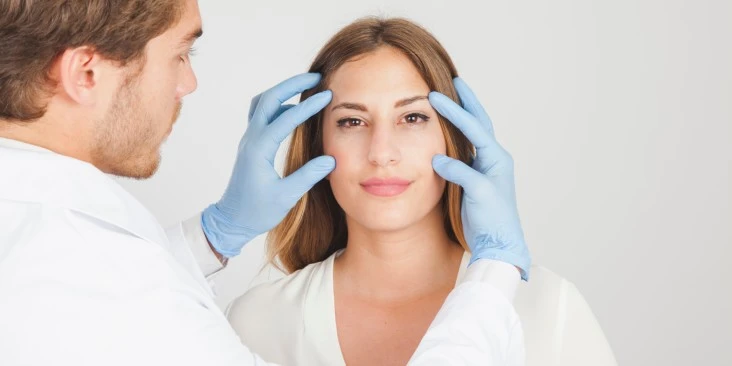
The practitioner studies your face and inquires about your past cosmetic procedures, medical history and expectations.
It's also a good time to talk about potential issues, other options and probable costs of the treatment. Before consenting to a procedure, one should be aware of what the procedure can and cannot do.
2. Preparing the skin
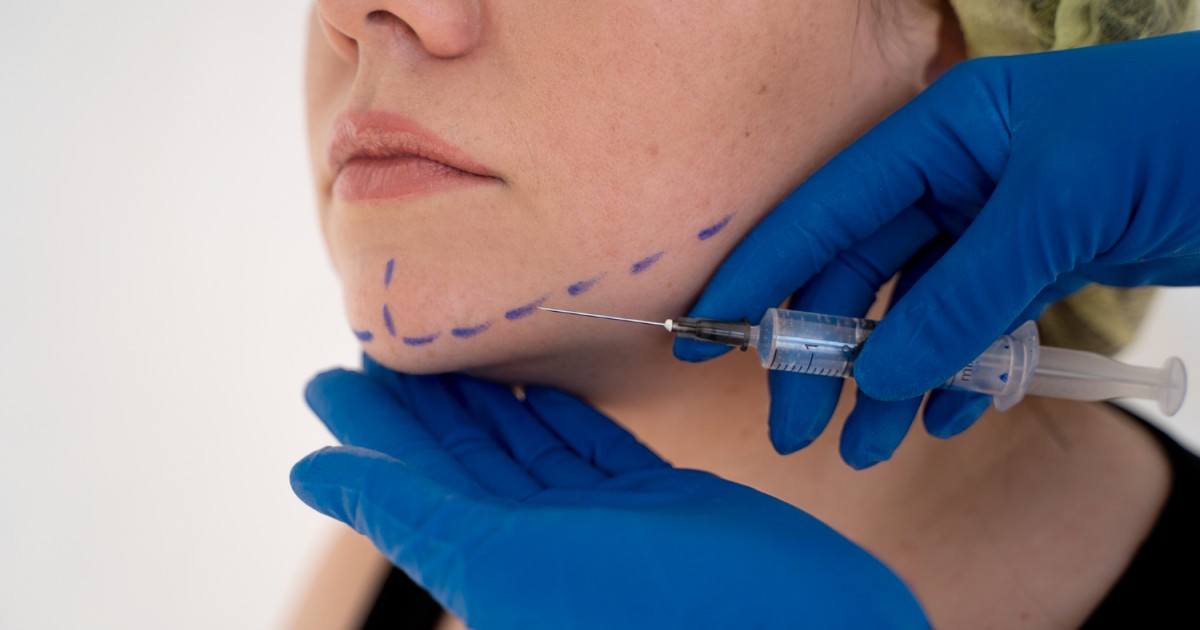
The area being treated is cleansed, and the marks are made on where the threads will enter into the skin.
These markings assist in guiding placement and achieving the desired lift.
3. Local anesthesia
A local anesthetic is used to minimise discomfort. Pressure or pulling may still be felt during the positioning of the threads.
4. Placing the threads
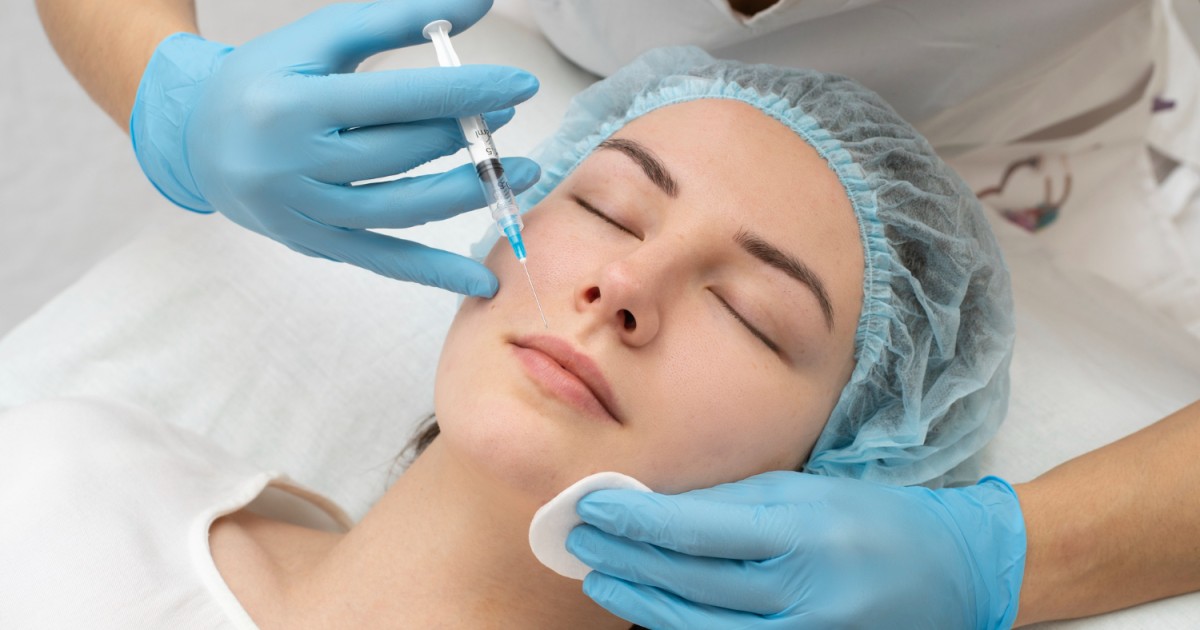
The practitioner will use a fine needle or cannula to push the threads under the skin. Small barbs can be manipulated on threads to help hold tissue in place.
After the threads are in place, the practitioner inspects the area treated and adjusts the threads if needed.
5. Aftercare instructions
Before you leave the clinic, be sure you have been given instructions to clean your face, manage swelling, avoid pressure on the treated area, and book a follow-up appointment.
The majority of individuals leave the day of their surgery. But the treated tissues must heal over time, albeit the healing time is less than an hour in the healing process of the procedure itself.


Consult a aesthetic and reconstructive surgeon
Recovery After a PDO Thread Lift
The recovery time tends to be quicker than following a surgical facelift, though there may be some swelling, bruising and tenderness.
You may feel some soreness, tightness or slight swelling in the first 24 to 48 hours. Follow skin care and cold compress instructions from your practitioner.
Bruising and swelling will gradually subside over the next couple of days. Others go back to work at their desks within a few days; however, an obvious mark may linger longer.
During the next few weeks, these tissues slowly subside. Some tightness or tenderness will only get better in several weeks.
This is a general guideline only and will depend on the individual patient's condition.
After Treatment Skin Care
Your practitioner may recommend that you:
Lay on your back with your head up 45 degrees.
Do not rub, massage or press the treated areas.
Avoid heavy exercise for the recommended time.
Do not over strain the facial muscles until the healing is complete.
Wait until a clinician gives their approval before having facial massages or other cosmetic procedures done.
Attend follow-up appointments.
If one feels under the skin, do not attempt to move the thread. If it appears, hurts, or is exposed, reach out to your practitioner.
There are side effects and risks to consider.
While a PDO thread lift is not as invasive as a surgical procedure, there is still the potential for complications. It's easier to identify when medical care is needed if you know what to look for.
Common side effects
Pulling sensation, tenderness, bruising or swelling of the face during facial movements. There may also be some temporary dimpling or minor irregularity.
These effects could get better over time.
If symptoms worsen or persist, be sure your practitioner examines you.
Complications
Rarer complications are infection, migration of threads, visible threads, extrusion of threads through the skin, long-term pain and damage of surrounding tissues.
A recent 2021 systematic review and meta-analysis of facial thread-lifting procedures found pooled rates of 35% swelling, 10% skin dimpling, 6% change in sensation, 4% visible or palpable threads, 2% infection and 2% thread extrusion.
These statistics include the procedures as part of the study and are not representative of the actual risks associated with all PDO thread procedures.
When to see a doctor?
Seek immediate medical help if:
If there is any increased redness, warmth, swelling, pus, fever, persistent pain, new numbness or marked facial asymmetry, contact your practitioner immediately.
Do not attempt to pull the thread through the skin if it is beginning to come through the skin.
May require professional evaluation and treatment.
If sudden vision changes, severe swelling or rapidly increasing swelling, or other sudden serious symptoms occurs, seek immediate medical help.
How long will this result last?
Results are temporary. The lifting effect is generally said to last for about 6 – 12 months, although the effect can last longer or shorter for some patients.
Time will vary depending on the type of thread, the technique used for treating it and the body's own response to the treatment.
After treatment your skin is still aging, and the threads slowly dissolve. Any type of collagen reaction can continue to impact the treated skin, however it will not ensure the skin to stay lifted.
If it doesn't last, your practitioner can determine if it makes sense to repeat the process. Other treatments might be more suitable if the skin has become looser or the concerns have changed.
What is the price of a PDO Thread Lift?
It is dependent on the clinic, location, practitioner's experience, type of thread used, and amount of threads used. Request an all inclusive quote before booking.
PDO threads cost between $700 and $4,500 on average in the United States, depending on the treatment area, number of threads used, and your provider’s experience level. See if it covers the consultation, procedure, post procedure visits and what extra support might be required. Avoid selecting a clinic solely by the cost.
Also consider the practitioner's skill and experience, clinic quality, and skills in managing complications.
What to look for in a competent practitioner?
Knowledge of facial anatomy and technique is key to thread placement. Before treatment, inquire of your practitioner:
What qualifications and experience do you have in thread lifting?
What would you suggest be the thread type for my concerns?
What do I have to hope for?
What problems might arise and what would you do about them?
What should I do if I experience pain/swelling following treatment?
What is the total cost which includes follow up care?
The practitioner should be clear about the disadvantages of the procedure as well as the advantages. Beware of anyone offering you a magic bullet or an overnight solution without going over the risks.
References
- Yetman D. PDO Thread Lift Procedure, Benefits, and Side Effects. Healthline · source
- Pham CT, Chu S, Foulad DP, Mesinkovska NA. Safety Profile of Thread Lifts on the Face and Neck: An Evidence-Based Systematic Review. Dermatologic Surgery. 2021;47(11):1460-1465 · source
- Niu Z, Zhang K, Yao W, et al. A Meta-Analysis and Systematic Review of the Incidences of Complications Following Facial Thread-Lifting. Aesthetic Plastic Surgery. 2021;45:2148-2158 · source
Frequently asked questions
Is a PDO thread lift painful?
Local anesthesia helps reduce discomfort during the procedure. You may still feel pressure or pulling. Mild tenderness and soreness can occur afterward and should gradually improve.
How long does the procedure take?
The appointment often takes around 30 to 60 minutes, depending on the area treated and the number of threads used. More extensive treatments may take longer.
Can a PDO thread lift replace a surgical facelift?
No. It may provide a modest lift in selected patients with early sagging, but it cannot remove significant excess skin. Surgery may be more suitable for people seeking a more noticeable change.
Can PDO threads be removed?
A clinician may be able to remove threads in certain situations, especially when complications occur. Removal can be difficult and may injure surrounding tissues, so it should only be performed by an appropriately qualified practitioner.